
The logic behind feline enrichment is rooted in the biological necessity of the hunt, as even the most pampered indoor cat retains the spirit of a wild predator. Boredom can lead to destructive behaviors, making it essential to provide a rotating variety of textures, sounds, and movements to keep their minds sharp and their bodies active. By upcycling items like cardboard, fabric scraps, and paper, you are participating in a more sustainable form of pet ownership that reduces your environmental footprint. These DIY projects allow you to experiment with what specifically triggers your pet’s interest, whether they are motivated by the crinkle of paper or the soft resistance of felt. Providing this level of mental stimulation is an act of love that respects their ancestral roots while fitting seamlessly into a modern, conscious lifestyle.
1.) The Classic Cardboard Box Maze


Never underestimate the power of a standard shipping box to provide hours of high-intensity entertainment. By taping several boxes together and cutting small portholes between them, you create an intricate labyrinth that appeals to a cat’s love for tight spaces and hidden vantage points. You can toss a few treats or a jingling ball inside to encourage them to explore the different chambers of their new fortress. This project is particularly effective because it provides a sense of security while also stimulating their spatial awareness. It is a zero-cost way to give your pet a dedicated sanctuary where they can stalk imaginary prey from the shadows. The beauty of the box maze is its temporary nature; once it is worn out, it can be easily recycled and replaced with a completely new layout.
2.) The Toilet Paper Roll Forager


Empty toilet paper rolls are perhaps the most versatile crafting supply in a cat owner’s arsenal. By folding the ends of a roll inward to create a sealed pod and cutting a few small holes in the sides, you create a challenging puzzle feeder that rewards persistence. Fill the tube with a handful of dry kibble or small treats, and watch as your cat bats it around the floor to release the prize. This type of play mimics the foraging behavior of wild cats, forcing them to use their paws and brains to earn their meal. It slows down fast eaters and provides a healthy outlet for their natural problem-solving skills. Once the cardboard becomes soggy or shredded, you simply toss it and grab the next roll from your recycling bin.
3.) The Wine Cork Flutterer


Natural wine corks have a unique weight and bounce that cats find incredibly enticing when they are batted across a hard floor. To turn a plain cork into a high-interest toy, use a small skewer to poke a hole through the center and thread a few colorful feathers or strips of ribbon through it. Secure the decorations with a tiny drop of non-toxic glue to ensure they stay in place during a heavy wrestling session. The combination of the rolling cork and the fluttering feathers creates an unpredictable movement that triggers a cat’s predatory drive. It is a lightweight toy that is easy for them to carry in their mouths, making it a favorite for those who enjoy playing a game of feline fetch.
4.) The Knotted Old T-Shirt Tassel


Old cotton t-shirts that are destined for the rag bin can be given a second life as a durable and soft chewing toy. Cut the fabric into long, thin strips and braid them tightly together, securing both ends with large, sturdy knots. You can leave the very ends of the strips long and frayed to create a tassel effect that is fun for cats to bat at. This toy is excellent for kittens who are going through a teething phase and need something safe to sink their teeth into. The soft fabric holds onto the scent of the owner, providing a sense of comfort during play. It is a rugged and washable option that can withstand plenty of biting and bunny-kicking without falling apart.
5.) The Plastic Bottle Treat Shaker


A small, empty plastic water bottle can be transformed into an auditory and tactile delight with very little effort. Remove the plastic ring and the cap to ensure there are no choking hazards, then place a few dry beans or bells inside the bottle. The resulting rattling sound is highly stimulating for cats who are motivated by noise. You can also wrap the outside of the bottle in a thick wool sock or some hemp twine to give it a better grip for their claws. As the bottle rolls and skitters across the floor, it creates a loud, erratic movement that mimics the scurrying of a small rodent. This toy provides a great workout for active cats who need to burn off excess energy in a short amount of time.
6.) The Catnip-Stuffed Baby Sock

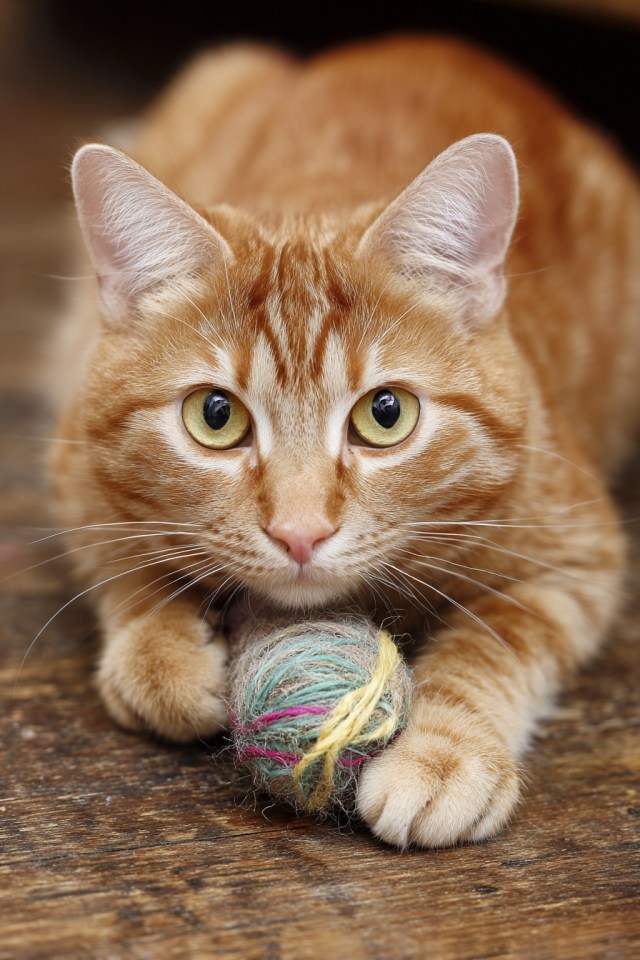
If you have a collection of mismatched socks, you have the perfect base for a classic catnip kicker. Simply fill a clean sock with a mixture of dried catnip and some crinkle paper or soft batting, then sew the open end shut with a few strong stitches. The scent of the catnip will draw them in, while the length of the sock allows them to wrap their front paws around it while kicking with their powerful hind legs. This type of play is a vital emotional outlet for many cats, providing a way to release pent-up energy in a safe and satisfying manner. The crinkle paper inside provides an auditory reward for every successful pounce, keeping them engaged for much longer than a silent toy.
7.) The Pipe Cleaner Spider


Pipe cleaners are an inexpensive way to create toys that have a strange, spindly movement that fascinates many felines. By twisting four or five pipe cleaners together at the center and bending the ends to look like legs, you create a lightweight spider that skitters across the floor with the slightest touch. You can even attach a long piece of string to the center to turn it into an interactive wand toy that you can move around for them to chase. Because the wire inside is flexible, you can constantly change the shape of the toy to keep it interesting. Just be sure to fold the sharp wire ends inward and supervise play to ensure they don’t try to swallow any small pieces of the fuzzy coating.
8.) The Felt Scrap Feather Wand


Felt is a wonderful material for DIY toys because it is colorful, soft, and doesn’t fray when cut into intricate shapes. You can cut scraps of felt into feather or leaf shapes and sew them onto the end of a long piece of elastic or twine. Attach the other end of the string to a wooden dowel or a sturdy plastic straw to create a professional-grade wand toy. Waving this through the air allows you to simulate the flight of a bird, encouraging your cat to jump and flip in a healthy display of athleticism. Interactive play like this is essential for indoor cats, as it provides the high-level cardio they need to maintain a healthy weight and sharp reflexes.
9.) The Paper Bag Hideout
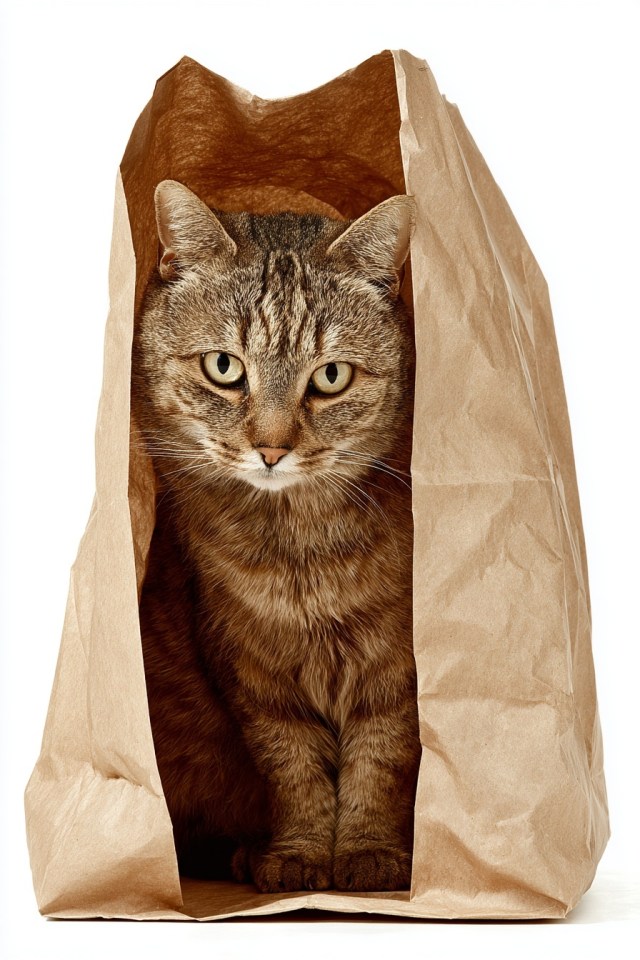

Sometimes the simplest ideas are the most effective, and a large brown paper bag is a hall-of-fame cat toy. Before giving it to your pet, be sure to remove any handles that could become caught around their neck. You can crinkle the bag slightly to make it more enticing and place it on its side so they can run inside. Adding a few pinholes in the bottom of the bag allows them to peek through and watch the world from their secret bunker. The loud crinkling sound that occurs whenever they move inside the bag is a major draw for most cats. It serves as both a toy and a cozy napping spot, providing a multi-functional space that costs absolutely nothing to provide.
10.) The Glove Finger Monster

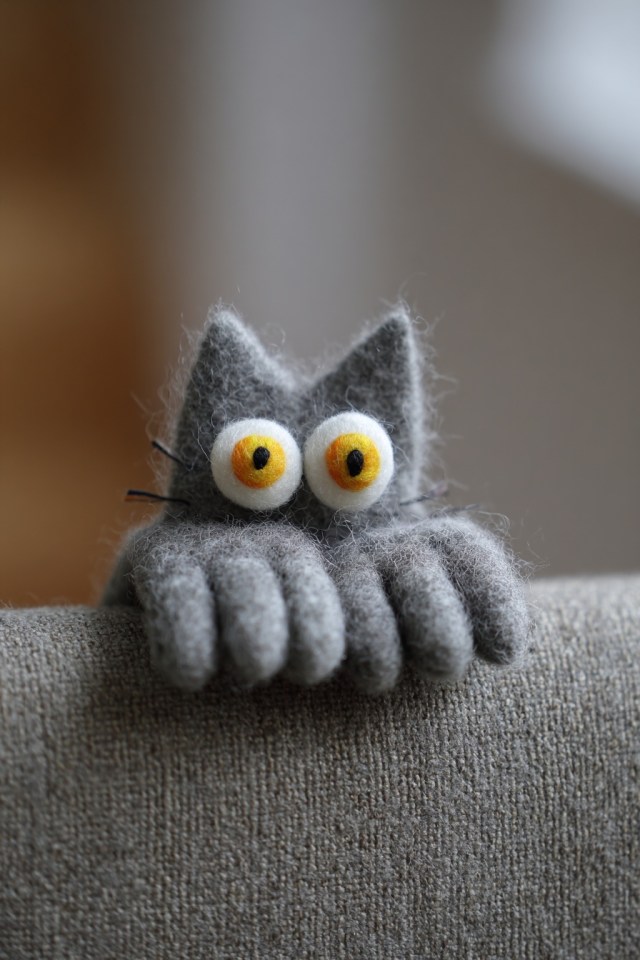
If you have an old winter glove that has lost its partner, you can turn it into a fun interactive tool for gentle play. Cut the fingers off the glove and sew small felt ears or googly eyes onto them to create tiny monsters that fit over your own fingers. You can wiggle these over the edge of a sofa or a table to entice your cat into a game of hide-and-seek. This allows you to engage in close-up play without the risk of your bare skin getting scratched during an enthusiastic pounce. It is a great way to use up small scraps of fabric and yarn while providing a fun visual stimulus for your pet. Just remember to keep the movements gentle so they don’t become overstimulated or aggressive toward your hands.
A Sustainable Bond Through Play
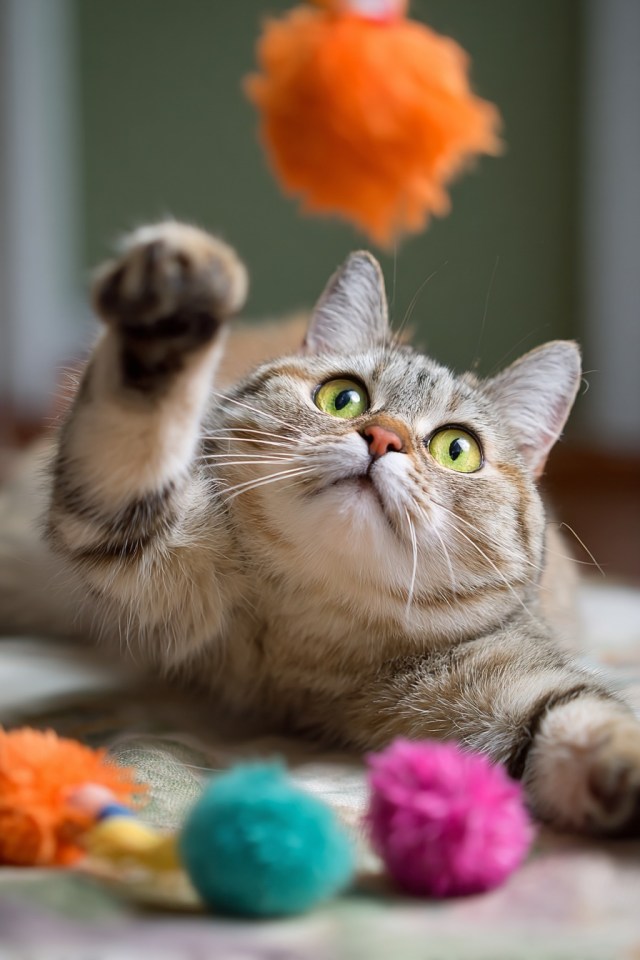

The transition from purchasing toys to making them yourself is a rewarding journey that reflects a deeper understanding of your pet’s needs. These ten projects demonstrate that you don’t need a large budget to provide a high-quality, enriching environment for your feline friend. Each handmade toy carries the scent of your home and the care of your hands, making the act of play feel more personal and connected. By observing which of these items your cat prefers, you can gain valuable insights into their personality and hunting style, allowing you to tailor future projects even more specifically to their tastes. Ultimately, the best gift you can give your cat is your time and attention, and these simple DIY toys provide the perfect medium for that shared joy.
