
The core of a successful DIY dog run lies in the balance between structural security and environmental enrichment. It is not merely about putting up a barrier; it is about considering the ground surface, shade, and the mental stimulation your dog needs while spending time outside. Using recycled or repurposed materials like wood pallets, reclaimed fencing, or heavy-duty mesh allows you to be an eco-conscious pet owner while saving significant amounts of money. A successful run should be easy to maintain and durable enough to withstand both the elements and the enthusiastic energy of a large dog. When you build it yourself, you have the opportunity to incorporate features like dig-guards or sensory paths that a standard contractor might overlook. This hands-on approach results in a functional space that truly caters to the unique personality and physical requirements of your best friend.
1.) The Repurposed Pallet Perimeter


Repurposed wooden pallets are a goldmine for the budget-conscious DIYer looking to create a sturdy and rustic-looking dog run. These structures can often be found for free or at a very low cost behind local businesses, and with a bit of sanding and a fresh coat of weather-resistant paint, they become excellent fence panels. You can stand them vertically and bolt them together to create a solid wall that prevents small dogs from squeezing through gaps. For larger dogs, double-stacking the pallets provides the height necessary to prevent them from jumping over the top. This method is incredibly cost-effective and provides a heavy, durable perimeter that can withstand significant wear and tear while adding a charming, farmhouse aesthetic to your backyard.
2.) The PVC and Mesh Netting Enclosure


Using PVC pipes and high-density plastic mesh is a brilliant way to create a lightweight yet effective dog run for smaller or less aggressive breeds. This system is essentially like building a giant construction set; you can easily cut the pipes to your desired length and use various connectors to create a custom frame that fits your space perfectly. Once the skeleton is assembled, you simply wrap the exterior in a durable mesh netting and secure it with zip ties. This approach is particularly useful for renters or those who need a temporary solution, as it can be disassembled and moved with minimal effort. It provides a clear visual boundary for your pet without the high price tag or permanent installation of a traditional metal fence.
3.) The Welded Wire and T-Post Run


Welded wire fencing paired with metal T-posts is perhaps the most practical and long-lasting solution for those on a strict budget. T-posts are relatively inexpensive and can be driven directly into the ground with a manual post driver, eliminating the need for digging holes or mixing heavy concrete. Once the posts are in place, you unroll the welded wire and secure it using specialized clips or sturdy wire ties. This type of fencing is nearly invisible from a distance, allowing you to maintain your view while providing a secure area for your dog to run. It is tough enough to discourage most chewers and can be easily reinforced at the bottom with a few extra stakes to prevent any adventurous digging.
4.) The Temporary Plastic Snow Fence


If you are looking for the absolute cheapest and fastest way to set up a containment area, plastic snow fencing is a fantastic option. Usually available in a subtle green or black, this material is designed to withstand harsh winter winds, making it surprisingly durable for a dog run. You can zip-tie the fencing to existing structures, trees, or simple wooden stakes driven into the ground. While it may not be the most aesthetically pleasing option for a front yard, it is an unbeatable choice for creating a large, temporary play space in a back garden. It is flexible enough to follow the contours of your land and can be rolled up and stored away when it is no longer needed.
5.) The Heavy-Duty Cattle Panel Structure


Cattle panels are large, rigid sections of heavy-gauge wire that are incredibly strong and easy to work with for a DIY dog run. Unlike rolls of wire that can sag, these panels maintain their shape and provide a high level of security for larger, more powerful dogs. You can secure them to sturdy wooden posts or metal pipes to create a run that feels very professional and permanent. Because the wire grid is large enough to see through clearly, your dog will not feel isolated or trapped, yet the gauge of the metal is thick enough to prevent any bending or breaking. This is a favorite choice for many rural pet owners who need a no-nonsense, heavy-duty solution that will last for years.
6.) The Bamboo and Chicken Wire Garden


Combining bamboo poles with chicken wire or light mesh creates a dog run that feels more like a decorative garden feature than a cage. Bamboo is a fast-growing, sustainable resource that is both lightweight and surprisingly strong when used as vertical supports. By weaving the poles together or using them as a frame for the wire, you can create a natural-looking barrier that blends beautifully with your landscaping. This is an ideal choice for pet owners who want to keep their dogs in a specific area of the garden without ruining the visual flow of their flower beds or lawn. It provides a gentle boundary that works well for dogs who are already somewhat trained to respect their limits.
7.) The Reclaimed Chain Link Panel System


While buying a brand-new chain link fence can be expensive, you can often find used chain link panels on online marketplaces or at local salvage yards for a fraction of the price. These panels are modular and incredibly easy to set up; you simply stand them up and secure them to one another using metal clamps. This creates a highly professional and secure dog run that is virtually escape-proof for most breeds. If the metal looks a bit weathered, a quick spray with rust-inhibiting paint can make the whole setup look brand new. This is a great way to get the reliability of a commercial-grade dog run while spending very little money, provided you are willing to do a bit of searching for second-hand materials.
8.) The Living Hedgerow Fence


For a truly long-term and eco-friendly approach, you can create a living fence using dog-safe shrubs and plants. While this takes longer to establish than a traditional fence, it is one of the cheapest options over time and provides excellent shade and sensory stimulation for your pet. You can use plants like boxwood, privet, or even sturdy sunflowers to create a thick, green barrier that is difficult for a dog to push through. In the early stages, you may need to use a bit of cheap netting to guide the growth and keep your dog contained, but eventually, the plants themselves will provide all the structure you need. It turns the dog run into a beautiful part of the garden that enhances the overall beauty of your property.
9.) The Scrap Wood Picket Run


Reclaimed wood from old fences, barns, or construction sites can be used to build a beautiful, custom dog run that has a high-end, designer look. By mixing and matching different lengths and colors of wood, you can create a unique, rustic picket fence that is as sturdy as it is stylish. This project requires a bit more labor in terms of measuring, cutting, and nailing, but the result is a one-of-a-kind space that you can be truly proud of. It allows you to customize the height and the spacing between the boards to ensure your dog is safe while still having a good view of the world. Using scrap wood is an excellent way to practice your carpentry skills while providing a top-tier environment for your pet.
10.) The Nylon Webbing and Rope Grid

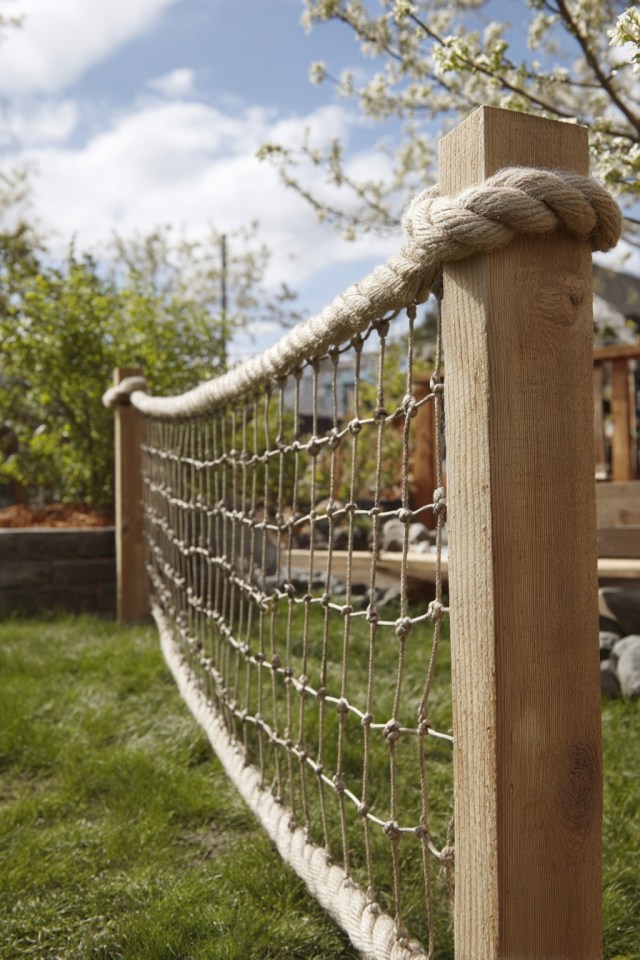
A more unconventional but very affordable idea is to use heavy-duty nylon webbing or thick rope to create a grid-like fence. By stretching the webbing between sturdy posts and weaving it together, you create a flexible and durable barrier that has a very modern, industrial feel. This material is resistant to rot and UV damage, making it a great choice for areas with high humidity. It is soft to the touch, so there is no risk of your dog getting scratched by sharp wire edges, and the tension can be adjusted as needed over time. It is a creative and lightweight solution that works particularly well for dogs that are not prone to chewing through fabric or rope.
A Lasting Legacy of Outdoor Freedom


Building an affordable dog run is a rewarding endeavor that proves you do not need to spend thousands of dollars to provide a high-quality life for your pet. Each of these ten ideas offers a different balance of cost, durability, and style, allowing you to choose the one that best fits your home and your dog’s specific needs. As you work on this project, you will likely find that the process of building something yourself brings a sense of accomplishment and a deeper connection to your pet’s daily happiness. A secure run is more than just a convenience; it is a vital tool for responsible pet ownership that encourages healthy outdoor activity. By investing a bit of your time and using these resourceful DIY methods, you can create a safe, stimulating, and beautiful environment where your dog can truly thrive.
