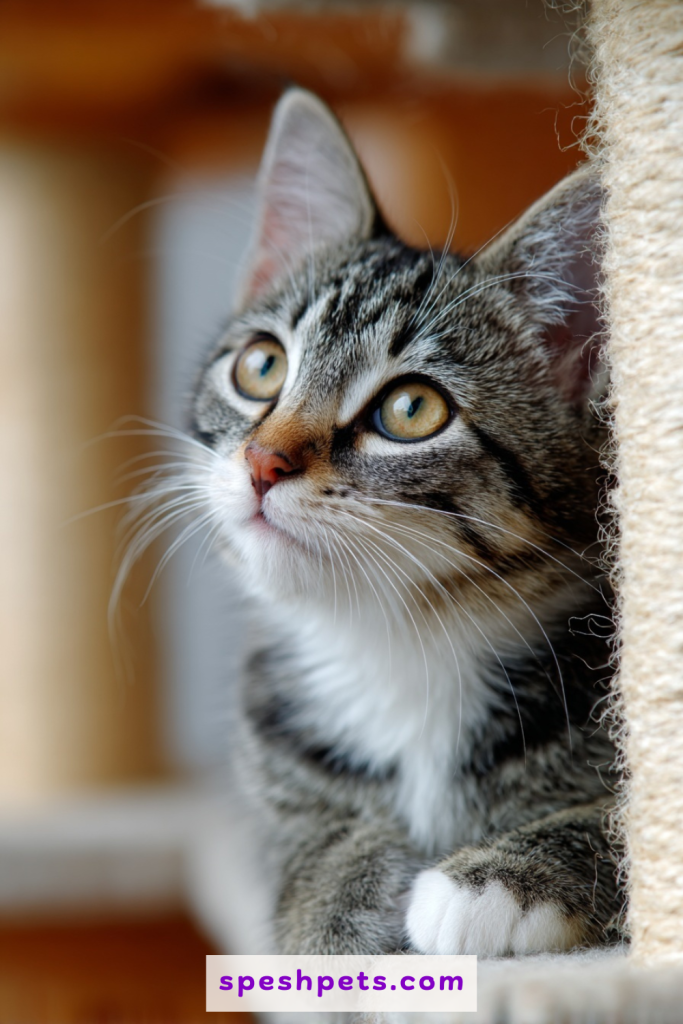
While cats often look perfectly content nap-trapped on a sunlit rug, they are essentially tiny, high-performance predators living in a world without any actual prey. This domestic mismatch can lead to a phenomenon known as the bored indoor cat, which often manifests as midnight zoomies, shredded curtains, or a general sense of feline lethargy. Enrichment is not just a luxury for a pampered pet; it is a fundamental requirement for their mental health and cognitive development. By introducing specific, instinct-driven activities, you can transform your living room into a stimulating jungle that honors their predatory heritage. It is about shifting their daily routine from passive observation to active engagement, ensuring they remain sharp, agile, and emotionally fulfilled throughout their lives.
1.) Vertical Exploration and Vantage Points
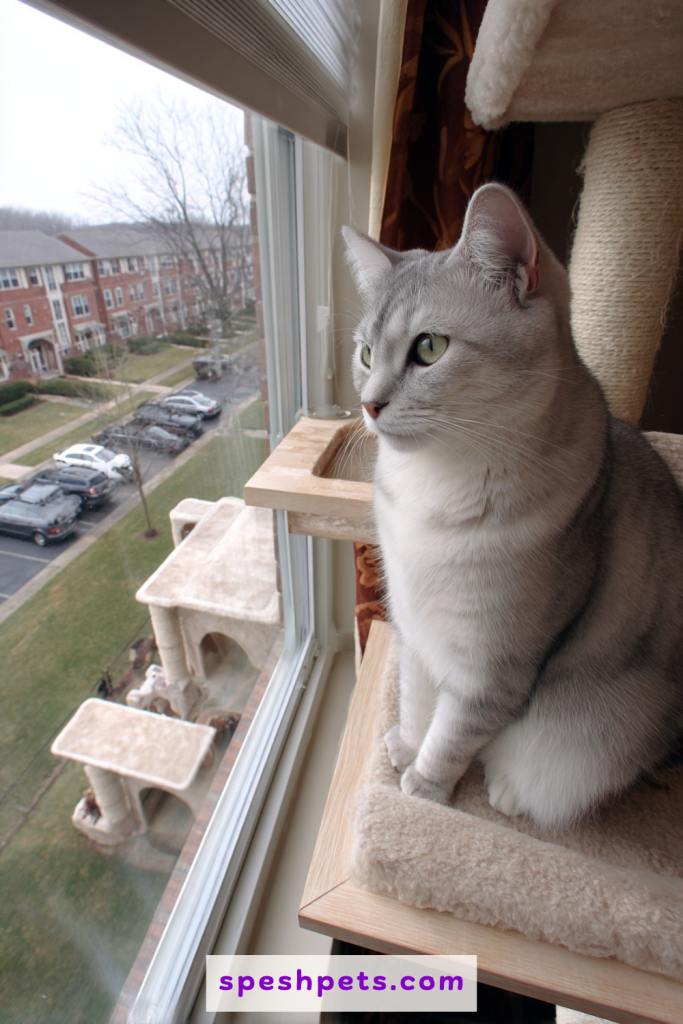
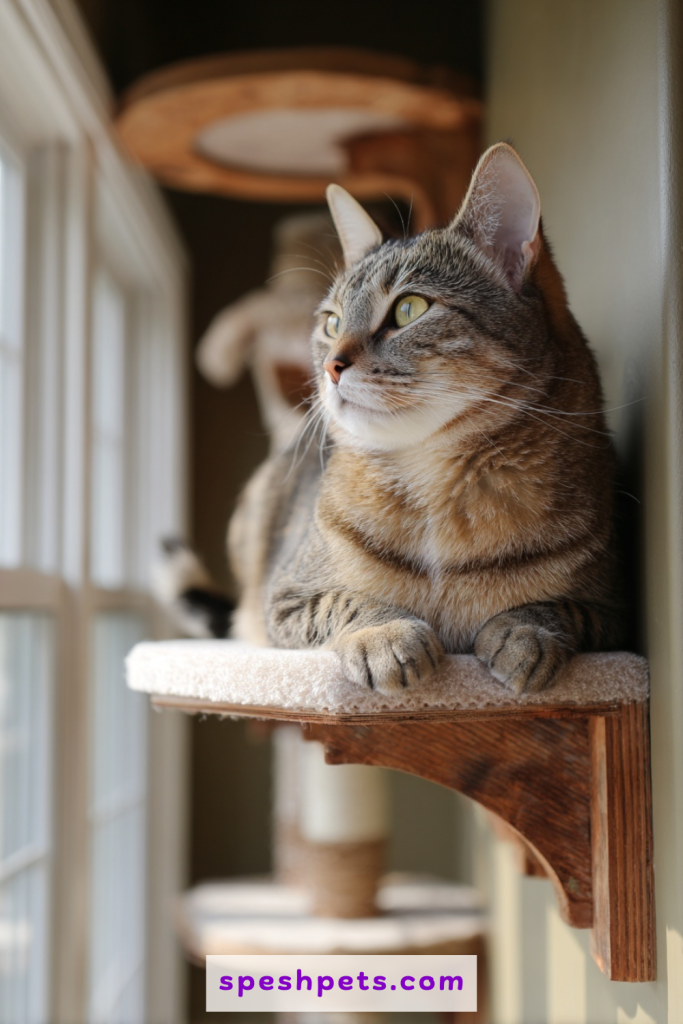
In the wild, a high vantage point is the difference between being a successful hunter and becoming someone else’s lunch. Domestic cats still carry this biological hardwiring, feeling safest when they can observe their territory from a height. You can satisfy this need by installing wall-mounted cat shelves, clear window perches, or floor-to-ceiling cat trees. This vertical expansion effectively doubles the usable square footage of your home from a cat’s perspective, giving them a dedicated space to retreat when they feel overwhelmed. By providing multiple levels of elevation, you are encouraging healthy climbing exercise and giving them the confidence that comes with owning the high ground in their domestic kingdom.
2.) The Joy of Foraging and Food Puzzles
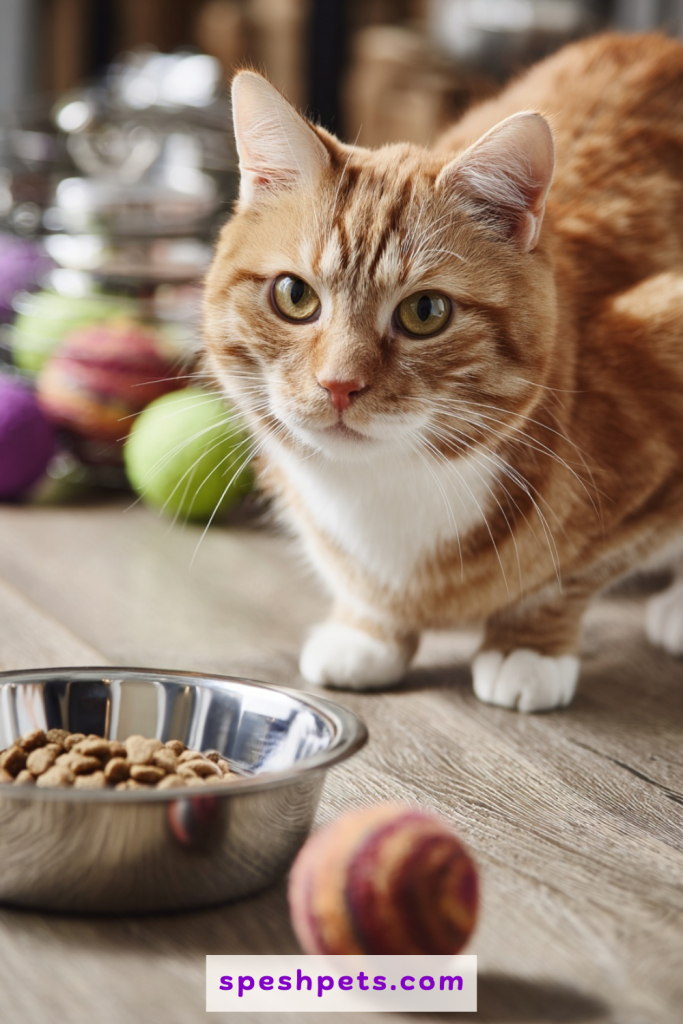
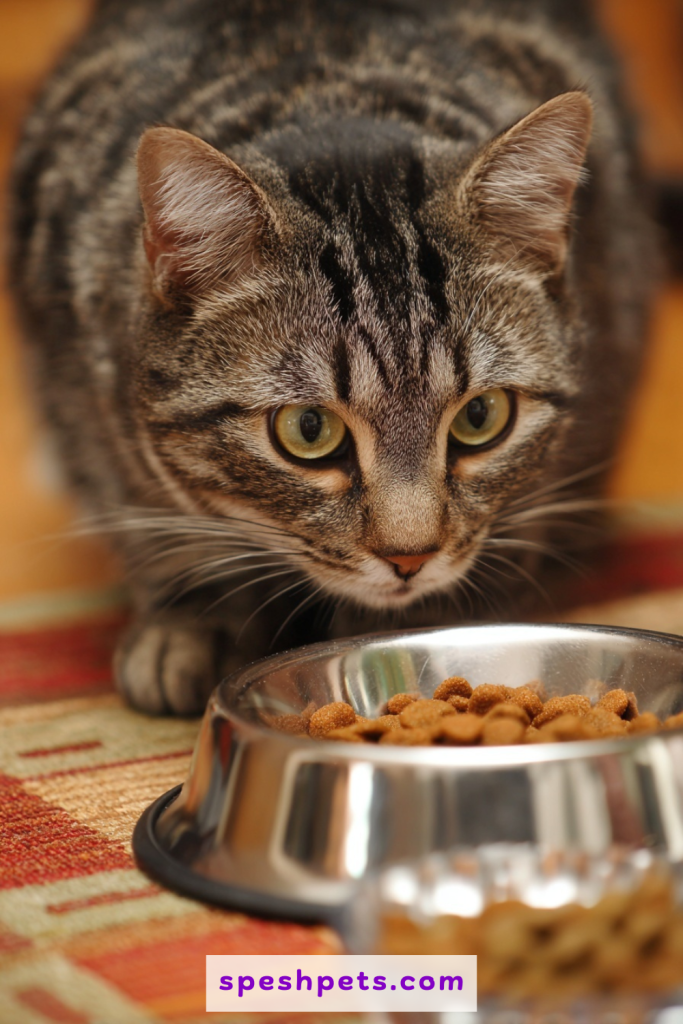
Most domestic cats are essentially ‘trust fund babies’ who have their meals delivered in a silver bowl twice a day, which completely bypasses their natural desire to work for food. Psychologists call the preference for working for food ‘contrafreeloading,’ and cats are prime candidates for this behavior. Instead of a standard bowl, try using treat-dispensing balls, snufflemats, or DIY egg carton puzzles that force them to use their paws and brains to extract their kibble. This mimics the hunting process, where the reward is tied to a physical and mental effort. Not only does this prevent boredom, but it also slows down fast eaters and provides a sense of accomplishment that a static food dish simply cannot offer.
3.) Visual Stimulation with ‘Cat TV’
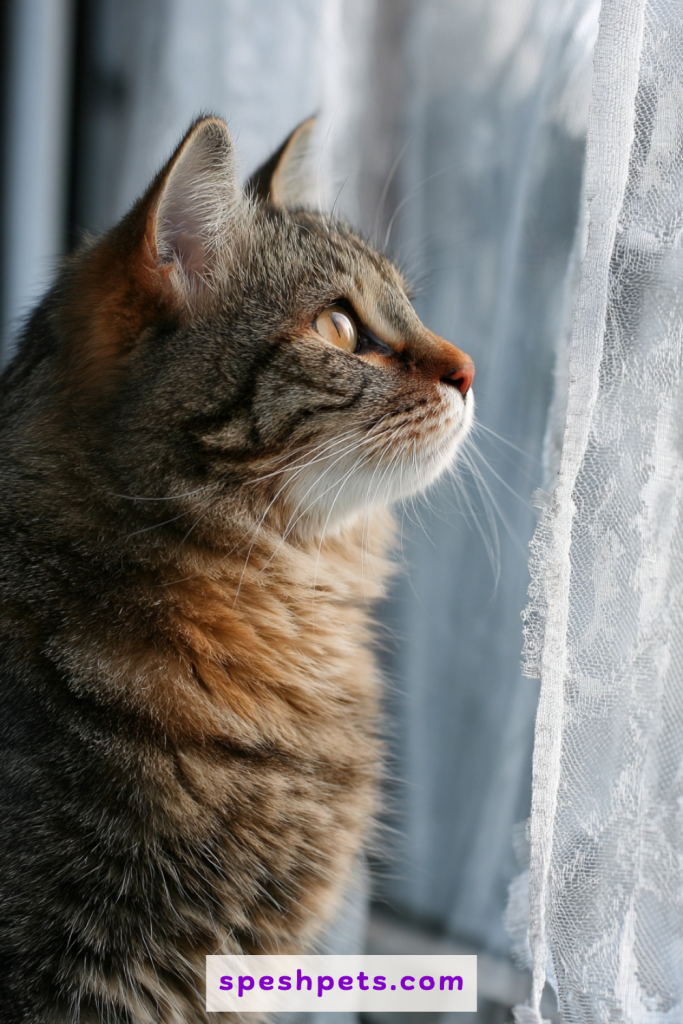
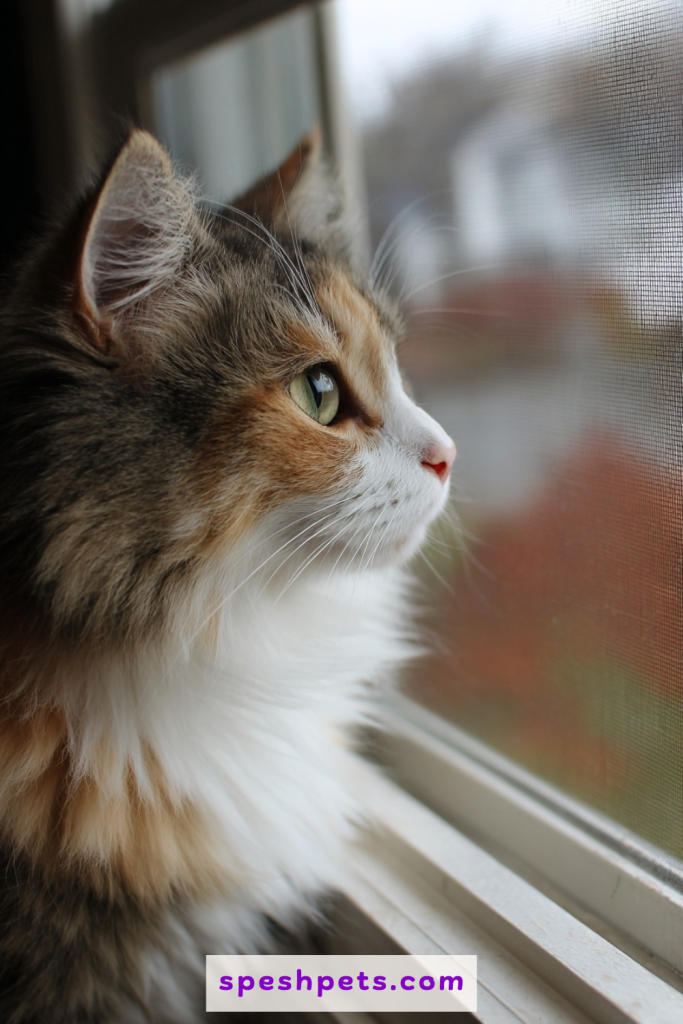
While we might enjoy a drama series, a cat’s version of must-see television involves anything with wings, fur, or scales. Positioning a bird feeder directly outside a window where your cat has a comfortable perch provides hours of safe, visual enrichment. If you live in an apartment without a view, there are thousands of hours of high-definition ‘nature for cats’ videos online featuring close-ups of squirrels and birds. This visual engagement keeps their predatory focus sharp and provides a necessary distraction during the hours when you are away at work. It is a low-effort way to keep their minds active by allowing them to ‘hunt’ through the glass without any actual harm coming to the local wildlife.
4.) Scent Trails and Olfactory Adventures
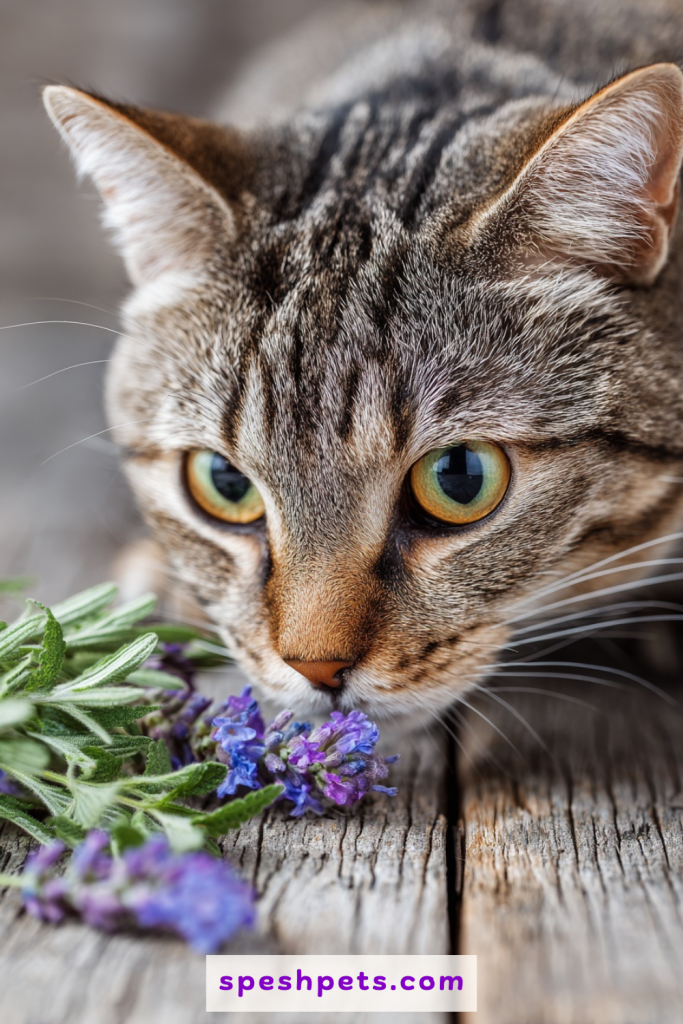
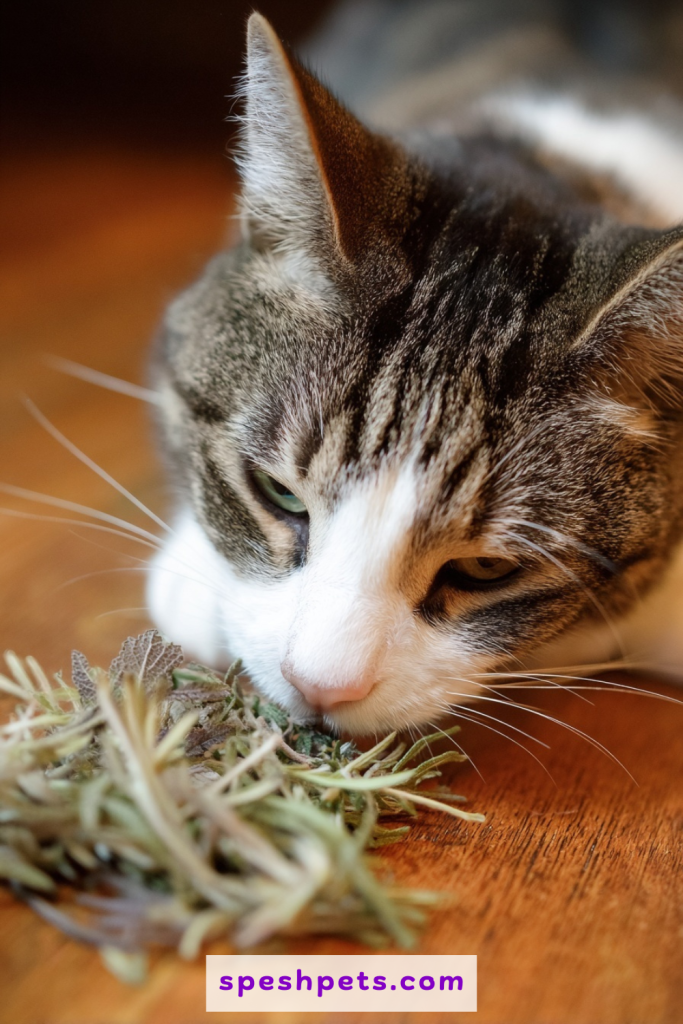
A cat’s sense of smell is roughly fourteen times stronger than a human’s, yet we often forget to enrich this vital sensory world. Beyond the classic catnip, you can introduce a variety of safe, exciting scents like silvervine, dried valerian root, or even a handful of fresh grass from outside. Try hiding small scent-soaked fabric scraps around the house for them to discover during their morning rounds. You can even bring in ‘smells from the outside’ like a clean log from the woods or a large feather to let them investigate new pheromones. This olfactory exploration engages a deep, ancient part of their brain, making their environment feel dynamic and full of mystery rather than stagnant and predictable.
5.) Interactive Wand Play and the Hunt Cycle
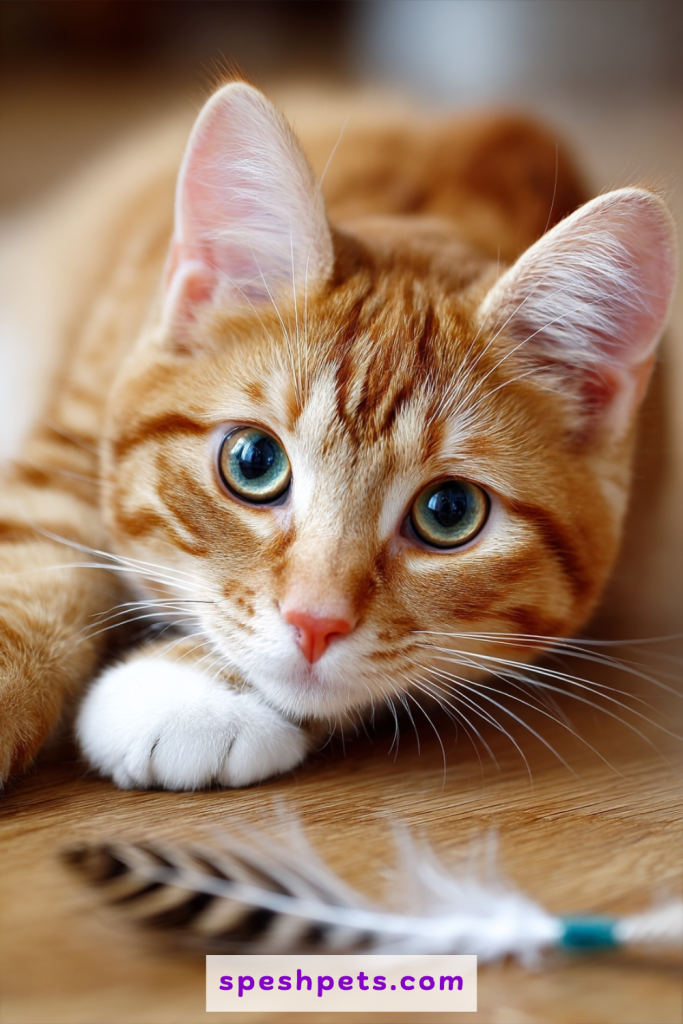
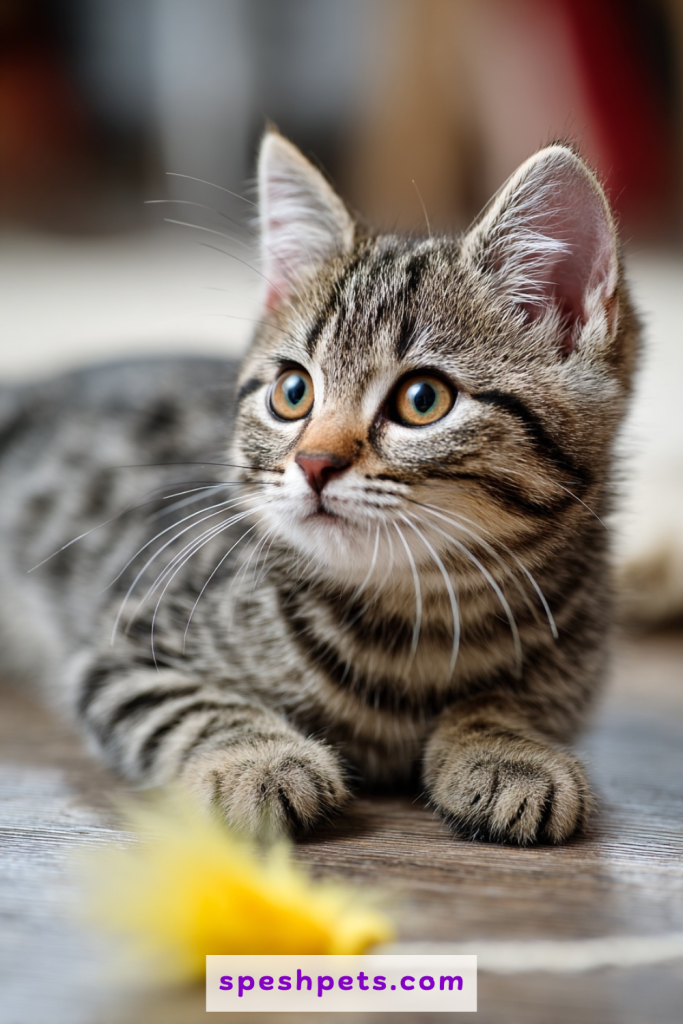
One of the biggest mistakes cat owners make is assuming a cat will play with a stationary toy on the floor; in reality, prey doesn’t just sit there waiting to be eaten. To truly stimulate a cat, you must use a wand toy to mimic the movements of a bird or a mouse, darting, hiding behind corners, and occasionally escaping. The goal is to lead them through the full predatory sequence: stalk, pounce, kill, and eat. Finish every play session by giving them a small treat or a meal so their brain registers a successful hunt. This high-intensity exercise burns off pent-up energy and strengthens the bond between you, as you become their favorite hunting partner.
6.) The Infinite Utility of Cardboard Engineering
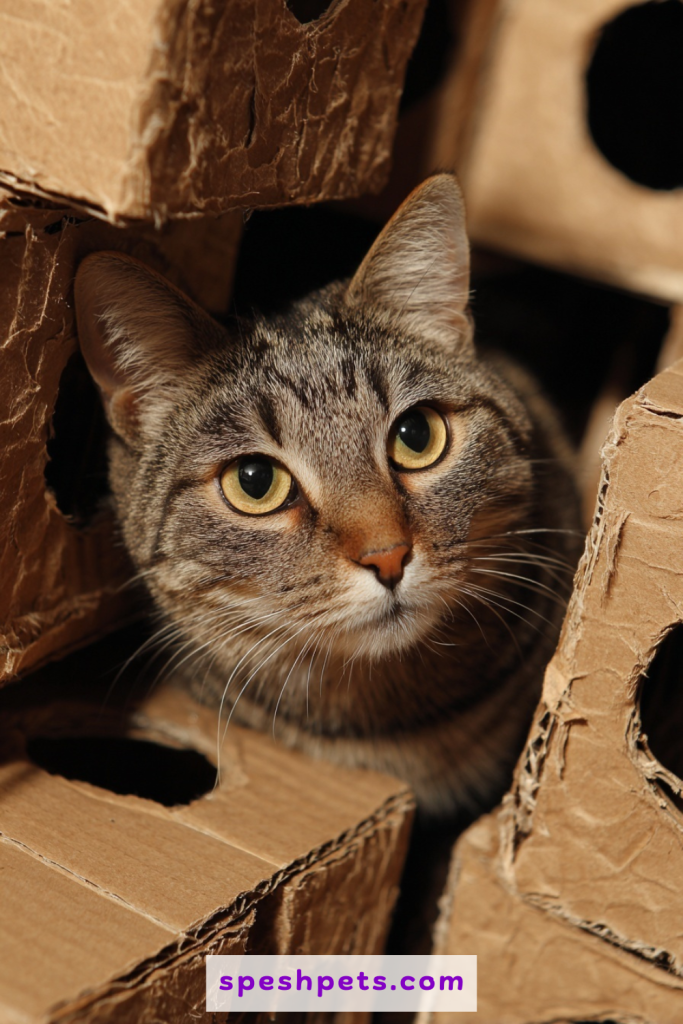
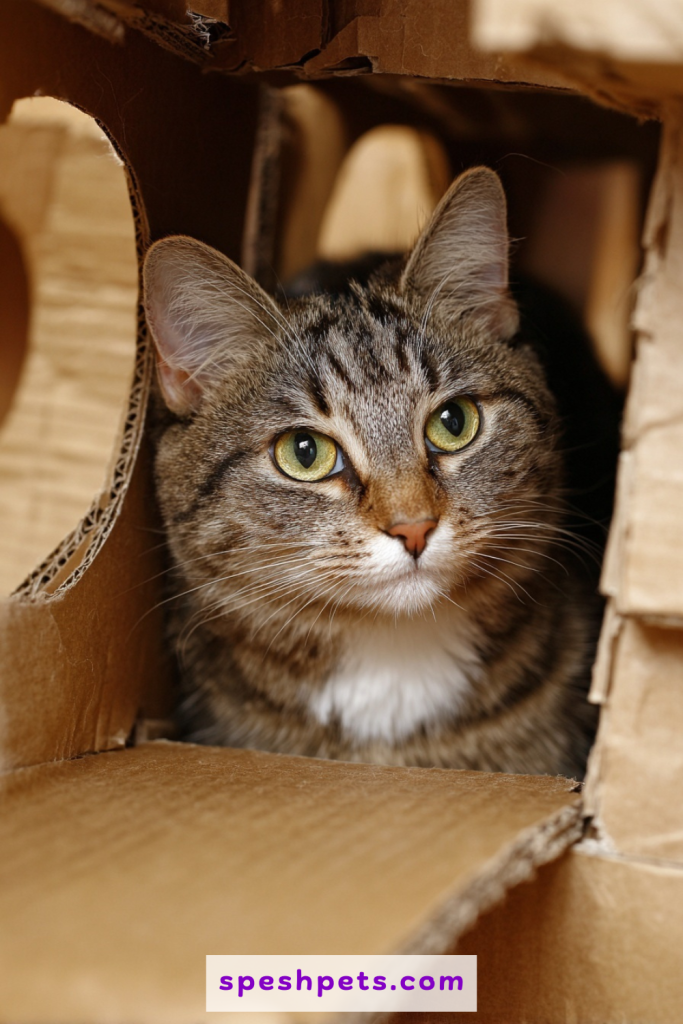
You can spend hundreds of dollars on fancy gadgets, but most cats will still choose a plain cardboard box every time. This is because boxes provide a sense of security and a perfect ‘blind’ for an ambush. You can take this further by cutting holes in multiple boxes and taping them together to create a multi-room kitty fort. Hide toys or treats inside different chambers to encourage exploration. The novelty of a new box layout can keep a cat entertained for days. When the boxes get a bit tattered or the cat loses interest, you can simply recycle them and build something entirely new, providing an ever-evolving architectural playground for zero cost.
7.) Clicker Training for Feline Geniuses
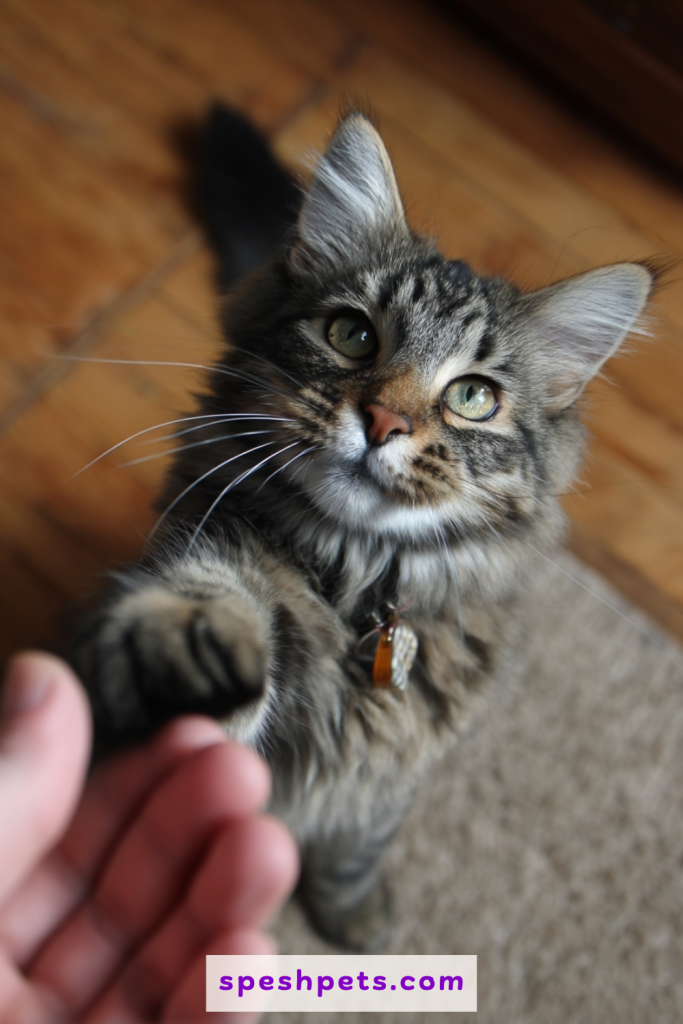
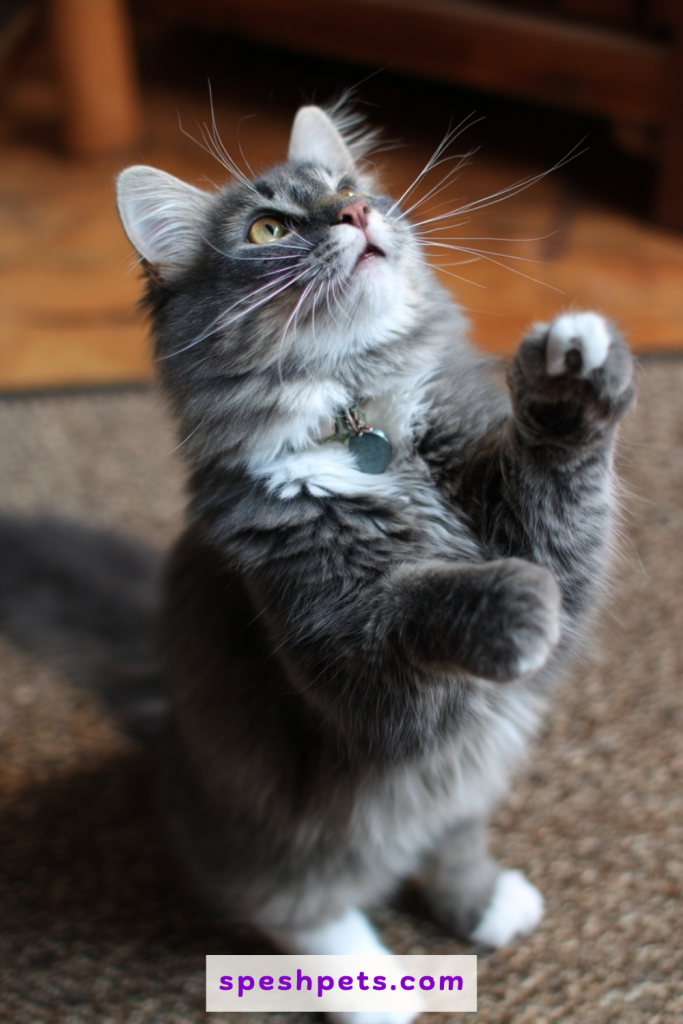
Many people believe that cats are untrainable, but they are actually highly intelligent learners when motivated by the right rewards. Clicker training is an excellent way to provide mental stimulation and improve communication between you and your pet. You can teach them simple cues like ‘sit,’ ‘high-five,’ or ‘go to your mat’ using a small clicker and high-value treats. This level of engagement forces them to think logically and focus their attention in a way that physical play doesn’t. Training sessions should be kept short, about five minutes, to keep them excited and engaged. It is a brilliant way to challenge their brain and prove that your cat is much more than just a fluffly roommate.
8.) Sensory Gardens and Cat-Safe Greenery
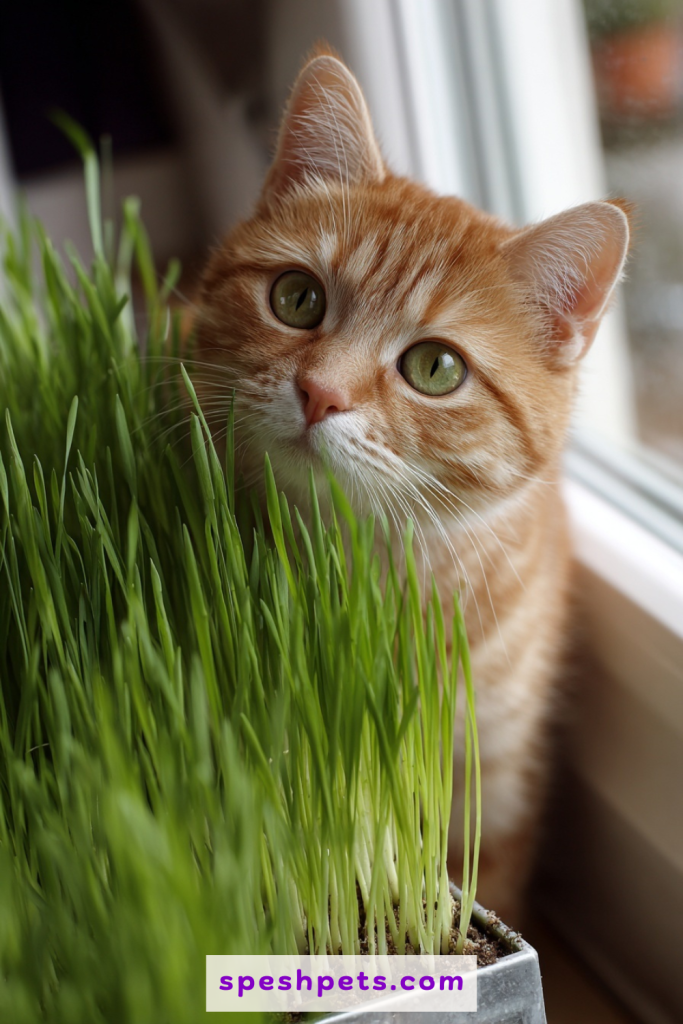
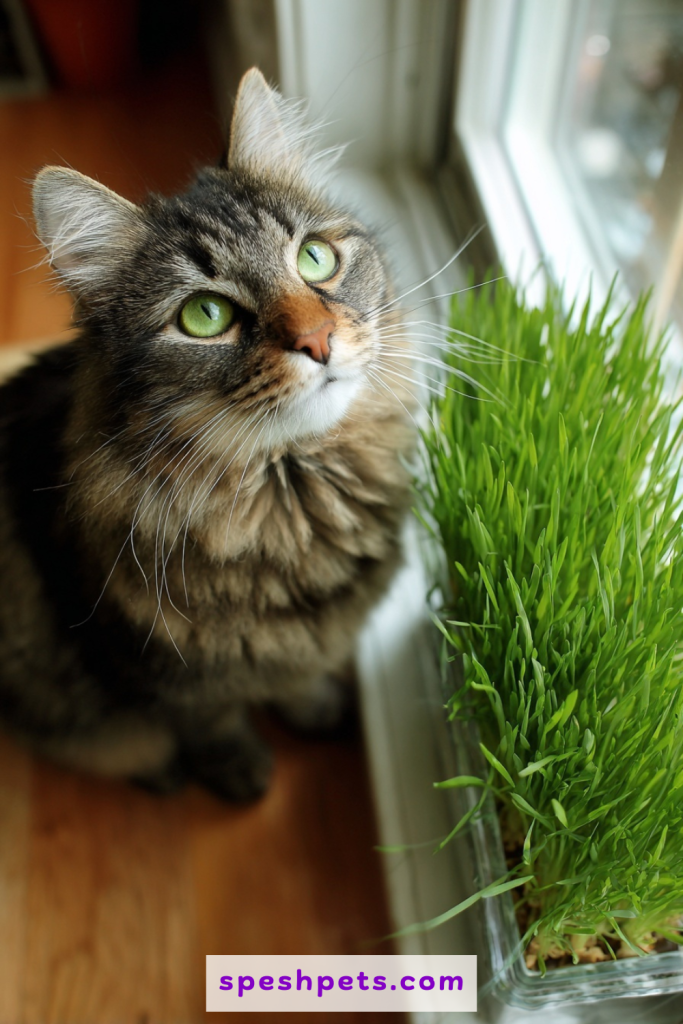
Bringing the outdoors in is a fantastic way to satisfy a cat’s grazing instincts. Many cats enjoy nibbling on greenery, and providing a dedicated ‘cat garden’ keeps them away from your toxic houseplants. You can easily grow containers of wheatgrass, oat grass, or spider plants, which are safe and stimulating for them to touch and taste. The varying textures of the leaves and the smell of the damp soil provide a tactile experience that is very different from the usual carpet and hardwood. Placing these plants near their favorite window perches creates a multi-sensory ‘outdoor’ oasis that allows them to experience a bit of nature from the safety of the living room.
9.) Auditory Enrichment and Feline Melodies
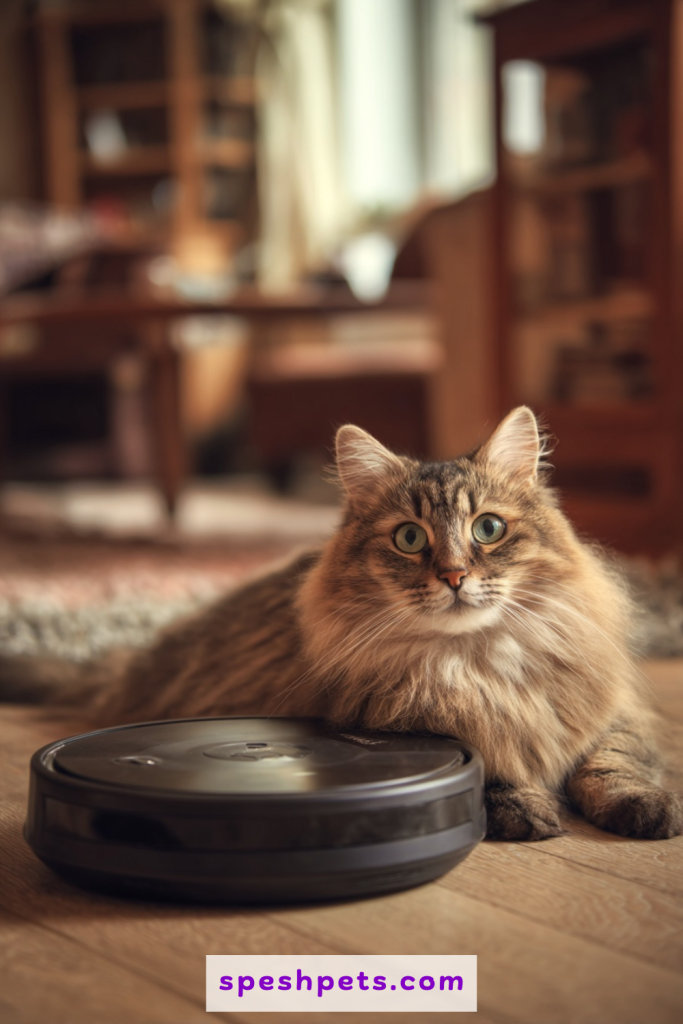

While the sound of a vacuum cleaner is a feline nightmare, certain types of audio can actually be quite soothing or stimulating for a cat. Recent studies suggest that cats respond positively to ‘species-appropriate music’ that incorporates frequencies and tempos similar to purring or birdsong. You can find curated playlists designed specifically to calm anxious cats or keep them focused while home alone. Alternatively, playing soft nature soundtracks featuring bubbling brooks or chirping crickets can add an extra layer of realism to their indoor environment. This auditory layer rounds out their sensory experience, making the home feel less like a silent vacuum and more like a living, breathing ecosystem.
10.) The Strategy of Toy Rotation
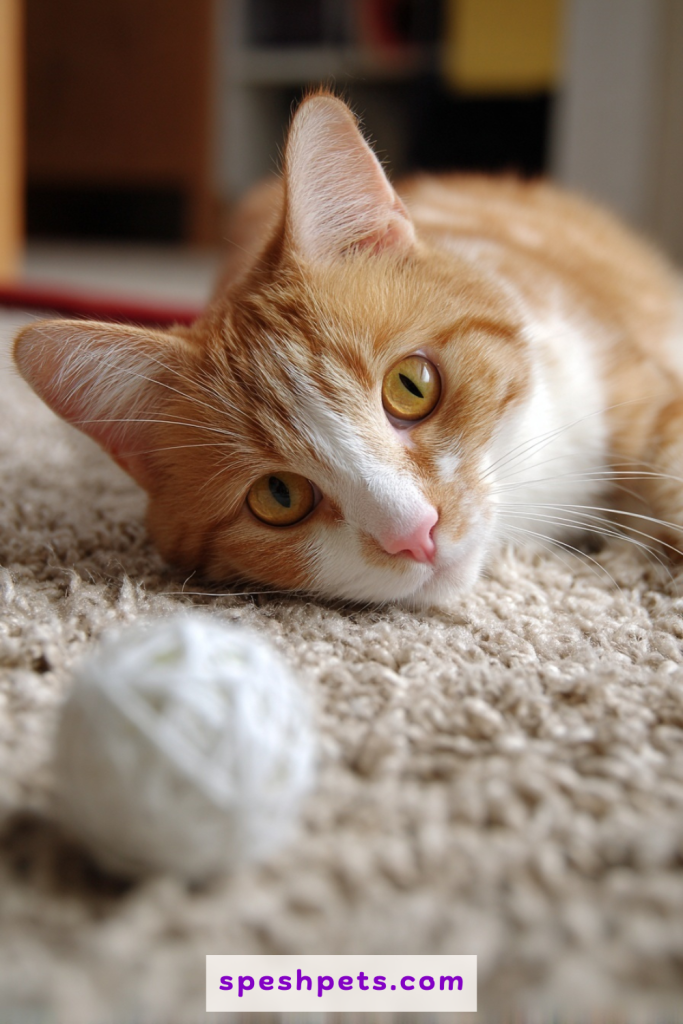
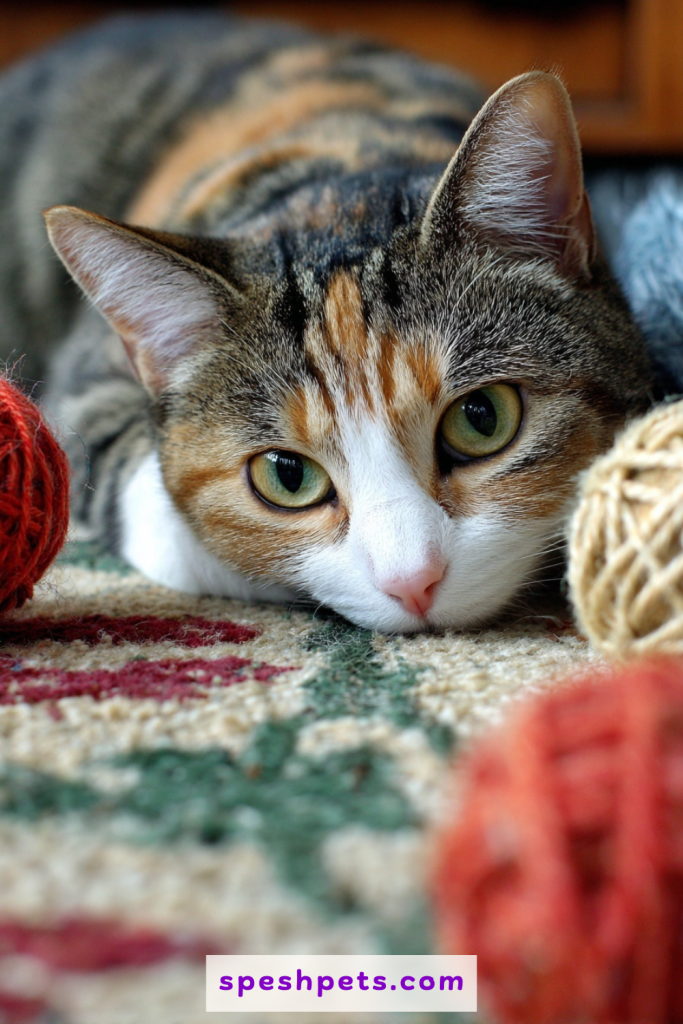
The quickest way for a cat to lose interest in a toy is for it to be available 24/7. When a toy is always visible on the rug, it effectively becomes ‘dead’ prey in the cat’s mind and loses all its allure. To maintain novelty, keep only three or four toys out at a time and store the rest in a closed container, perhaps with a bit of catnip to ‘recharge’ their scent. Every few days, swap the old toys for the ones in the box. This rotation ensures that every time a toy reappears, it feels brand new and exciting. It is a simple habit that prevents ‘toy fatigue’ and keeps your cat’s curiosity piqued without requiring you to constantly buy new items.
In Closing
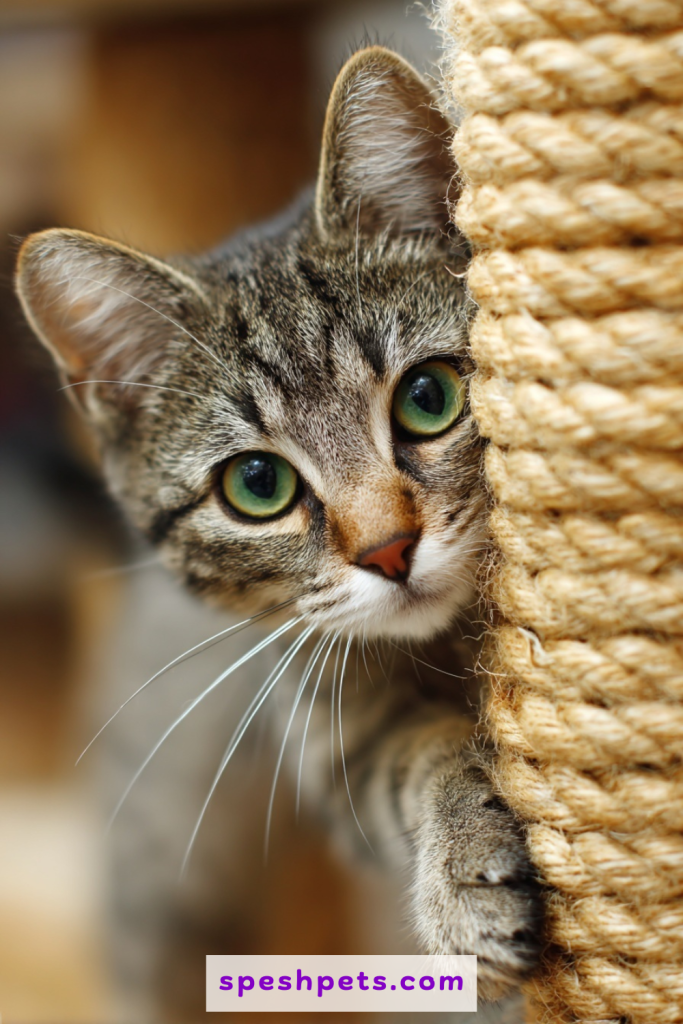
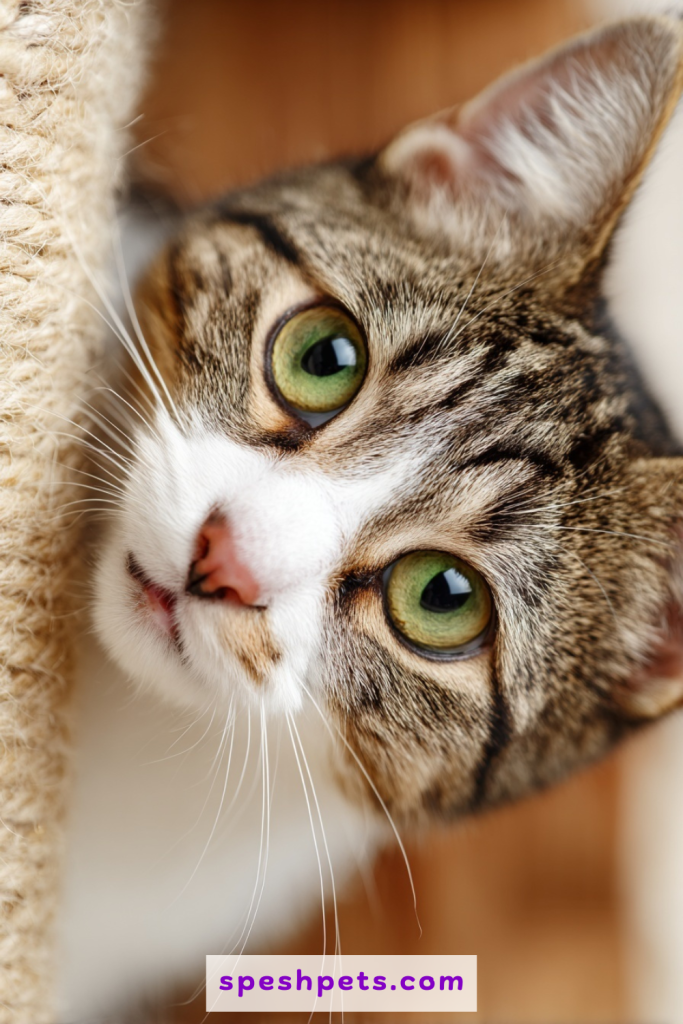
Enriching your cat’s life doesn’t require a massive budget or a complete home renovation; it simply requires a bit of creativity and an understanding of what makes a feline tick. When you provide outlets for their natural behaviors, climbing, hunting, scratching, and sniffing, you are effectively giving them the keys to their own happiness. A stimulated cat is a peaceful cat, and the effort you put into their environment will be repaid in fewer behavioral issues and a much deeper connection with your pet. Remember that every cat is an individual, so don’t be afraid to experiment with different ideas to see what truly captures their imagination. By turning their everyday world into a place of discovery, you are ensuring that your feline friend lives a life that is as rich and vibrant as they are.
