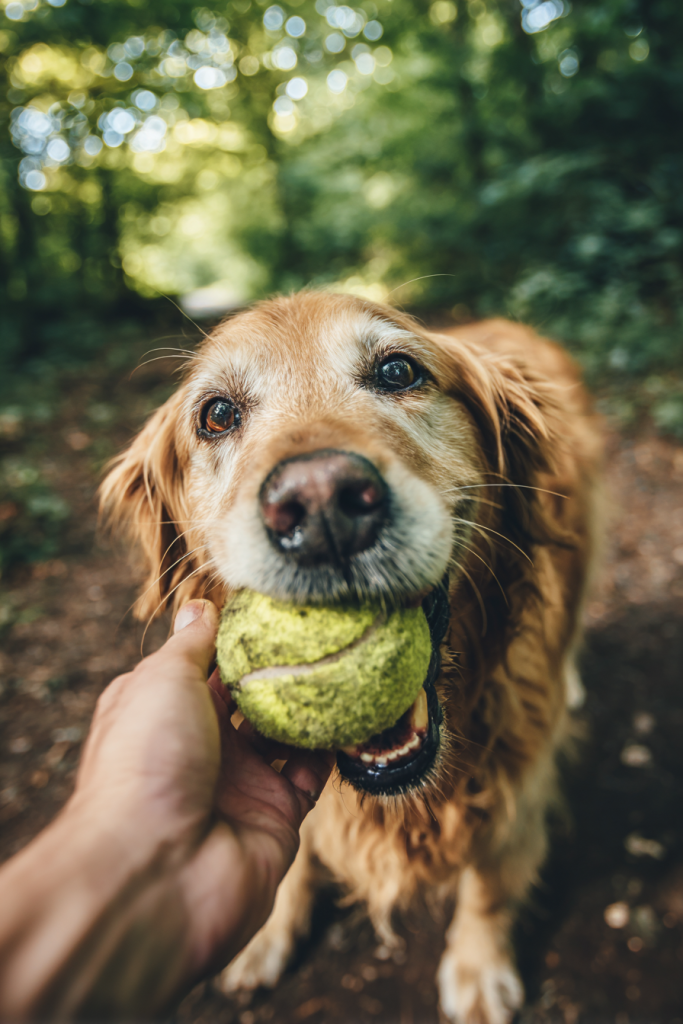
A dog is far more than a physical athlete who needs a daily run; they are sophisticated intellectual scavengers who possess a deep-seated biological need for cognitive stimulation. When we leave their brilliant minds idle, they often resort to creating their own entertainment, which might include excavating the garden or redesigning your favorite pair of leather shoes. Enrichment is the practice of providing a structured outlet for these natural instincts, such as sniffing, problem-solving, and foraging. By engaging their five senses through targeted play, you are not just preventing boredom; you are actually reducing their overall stress and helping them navigate the human world with far more confidence. A mentally exhausted dog is a peaceful and satisfied companion, and these activities offer a wonderful way to deepen the communicative bond between you and your best friend.
1.) The Muffin Tin Puzzle
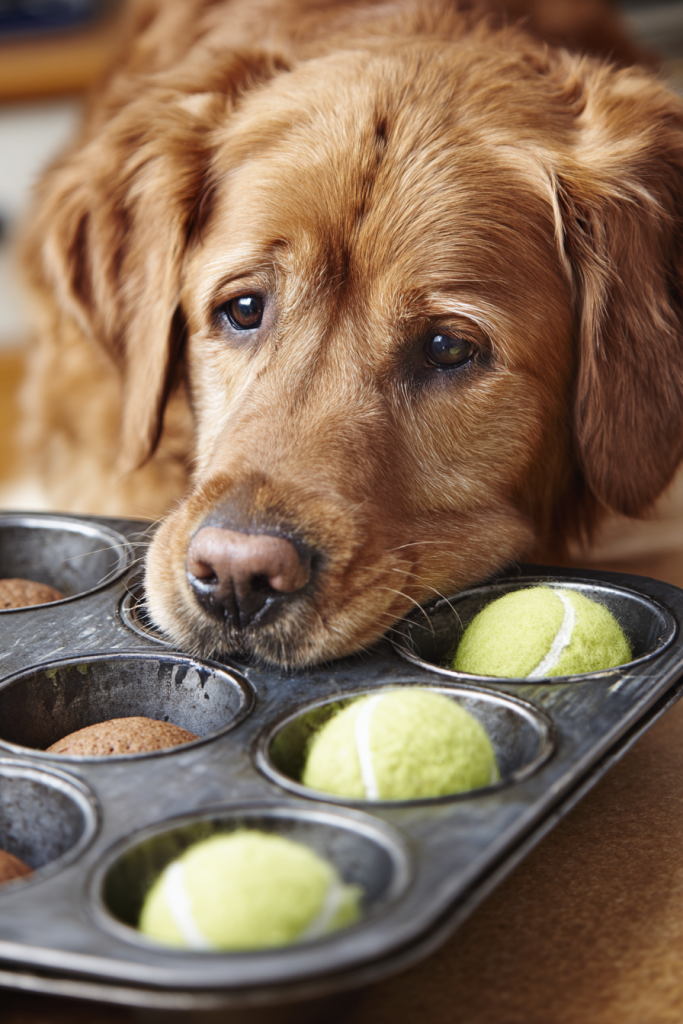
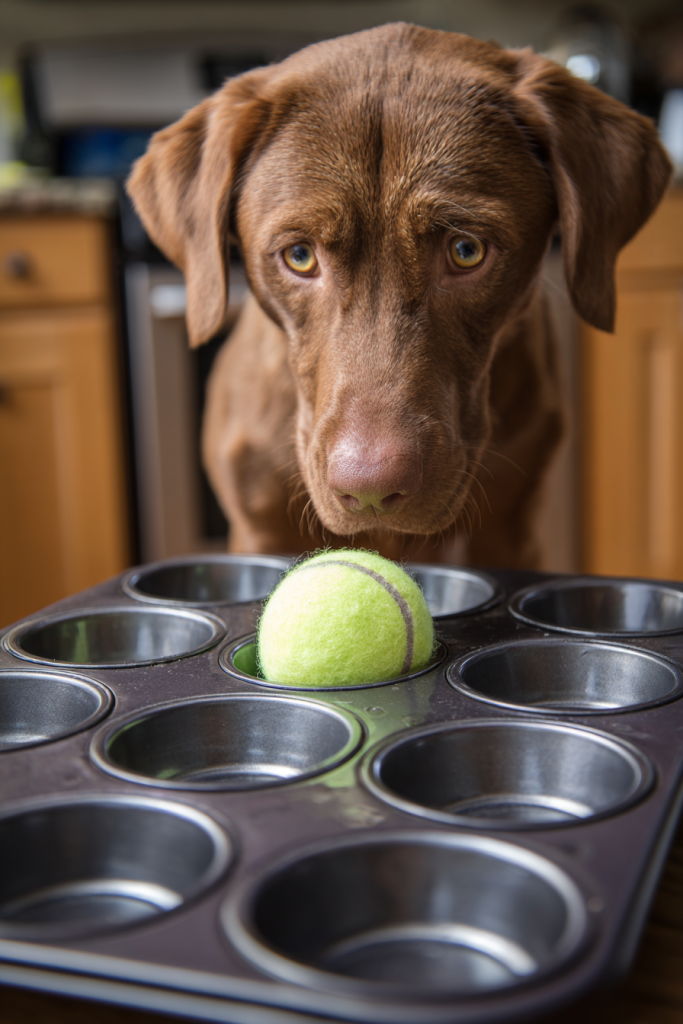
The muffin tin puzzle is a fantastic introductory enrichment activity because it utilizes common items you likely already have in your kitchen. By using the holes of a standard muffin tin, you can place high-value treats at the bottom and cover each one with a tennis ball. Your dog must then figure out how to nudge, lift, or roll the balls out of the way to reach the reward hidden beneath. This task encourages them to use their paws and snout in a coordinated way, slowing down their eating process while simultaneously building their confidence in manipulating physical objects. It is a low-stress way to challenge their brain and can be modified for difficulty by using different sizes of balls or even crumpled parchment paper to hide the treats.
2.) The Snuffle Mat Expedition
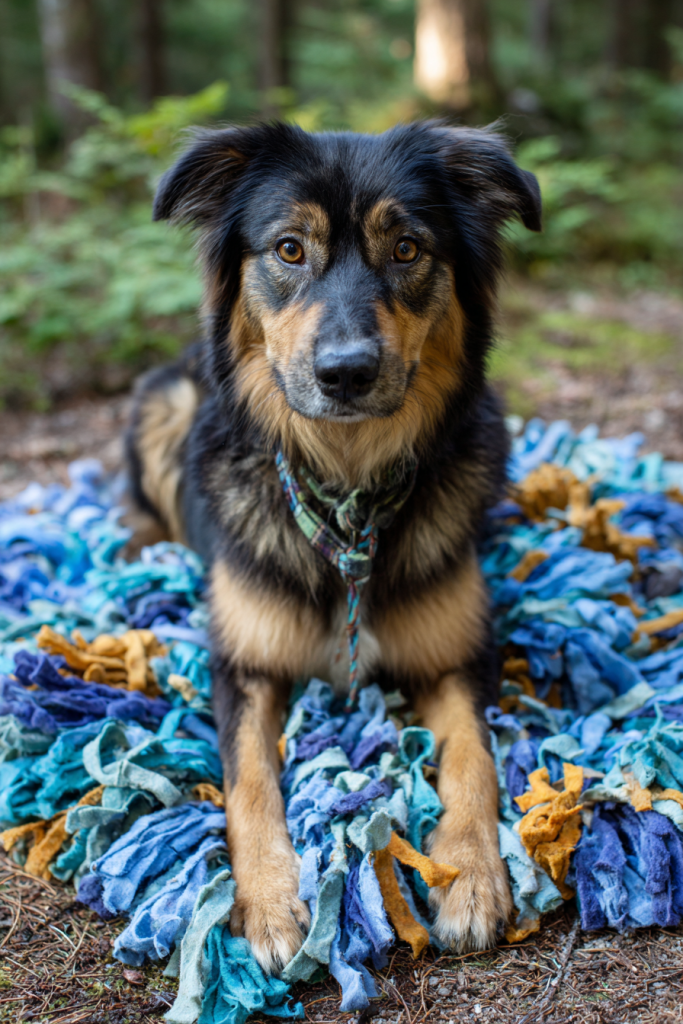
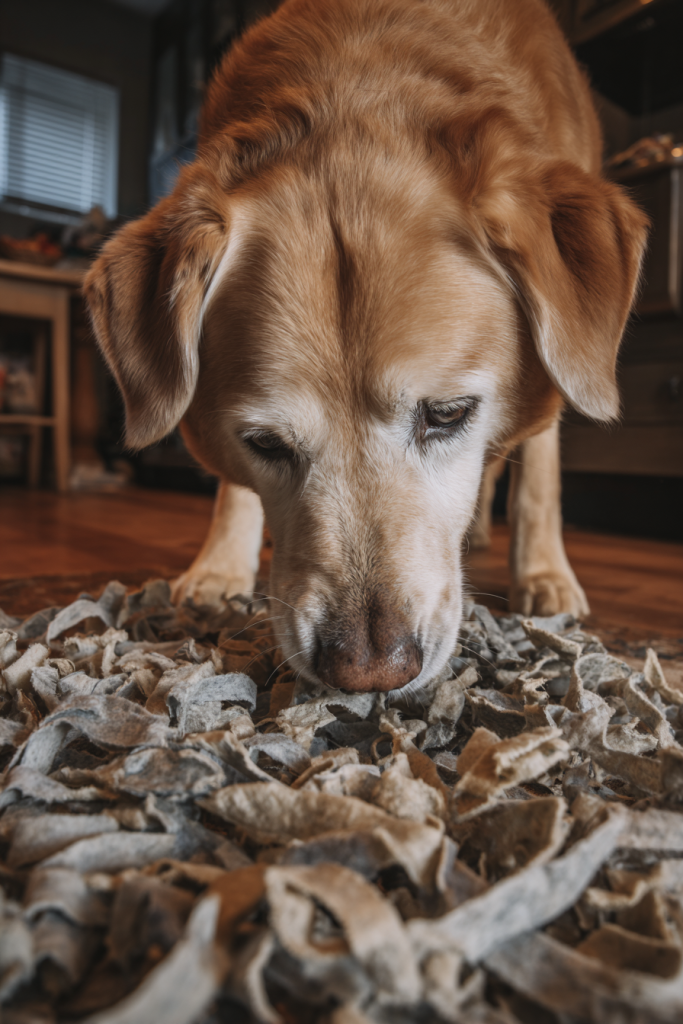
Dogs experience a massive portion of the world through their noses, and a snuffle mat is designed to tap directly into that incredible olfactory power. These mats are made of many strips of felt or fabric tied to a base, creating a dense forest of material where you can hide dry kibble or small treats. Instead of wolfing down their food in thirty seconds, your dog must use their nose to track and forage for every individual piece. This mimicry of natural scavenging behavior is incredibly soothing for dogs and can significantly lower their heart rate. Just fifteen minutes of intense sniffing is often more exhausting for a dog than a long walk, making this an essential tool for high-energy breeds or rainy days when outdoor exercise is limited.
3.) The Frozen Treat Discovery
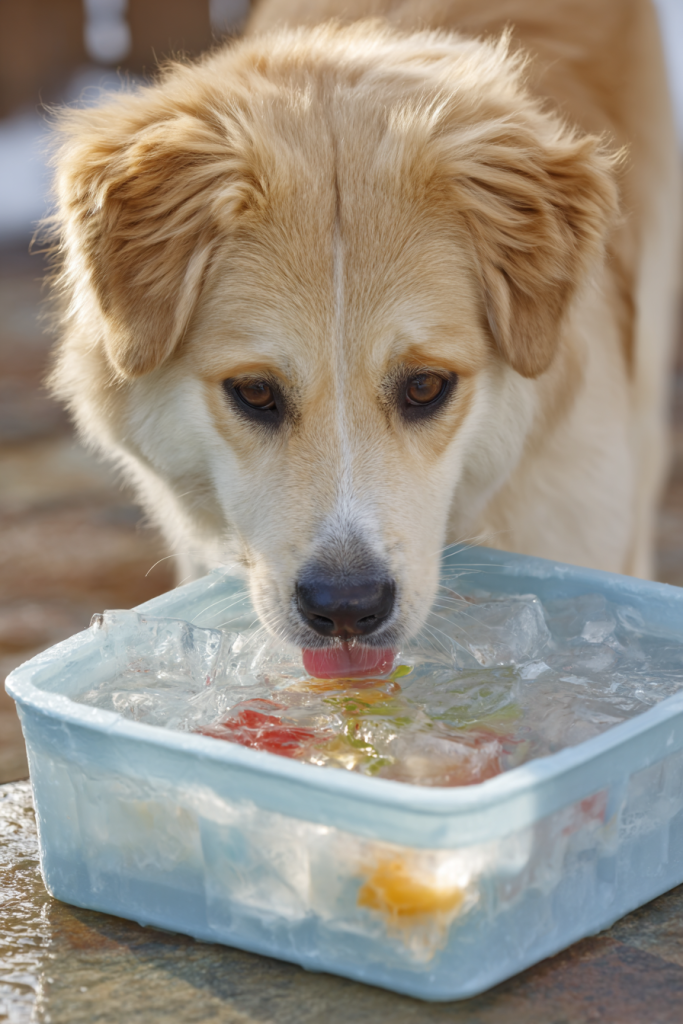
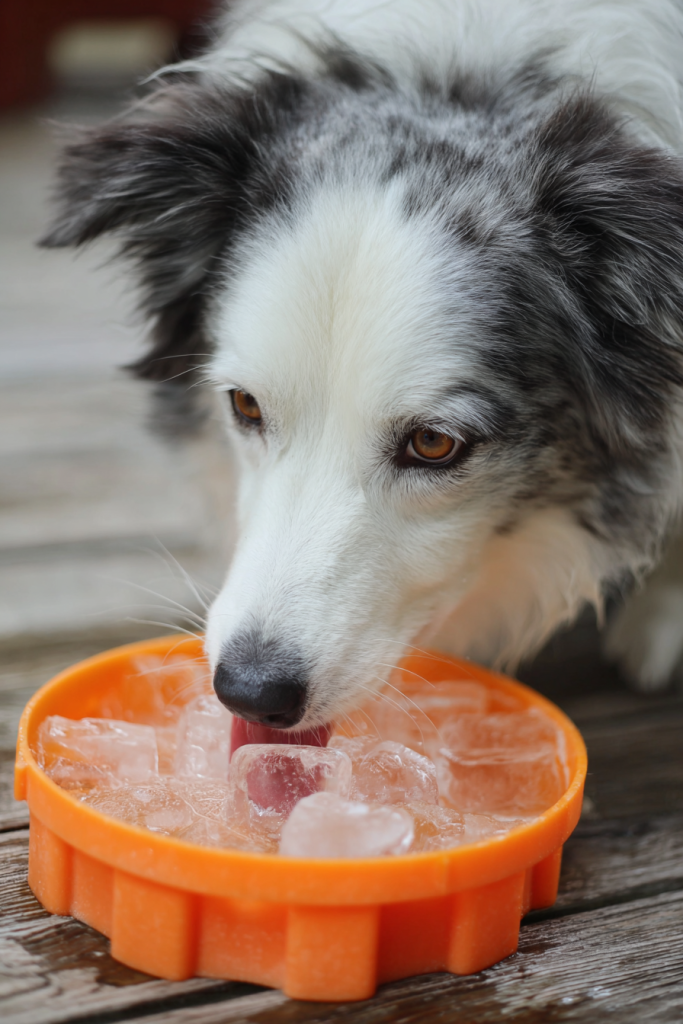
Using ice or frozen layers is an excellent way to provide long-lasting enrichment that also helps keep your dog cool during warmer months. You can fill a silicone mold or a sturdy rubber toy with a mixture of water, low-sodium broth, and small pieces of fruit or vegetables. As the dog licks the ice to reach the treats, the repetitive licking motion releases endorphins that help them feel calm and relaxed. You can increase the difficulty by freezing the toy in stages, placing different surprises in each layer to keep them interested as the ice melts. This is a particularly helpful activity for dogs who struggle with separation anxiety, as it gives them a positive and time-consuming task to focus on while you are busy or out of the house.
4.) The Hidden Scent Trail
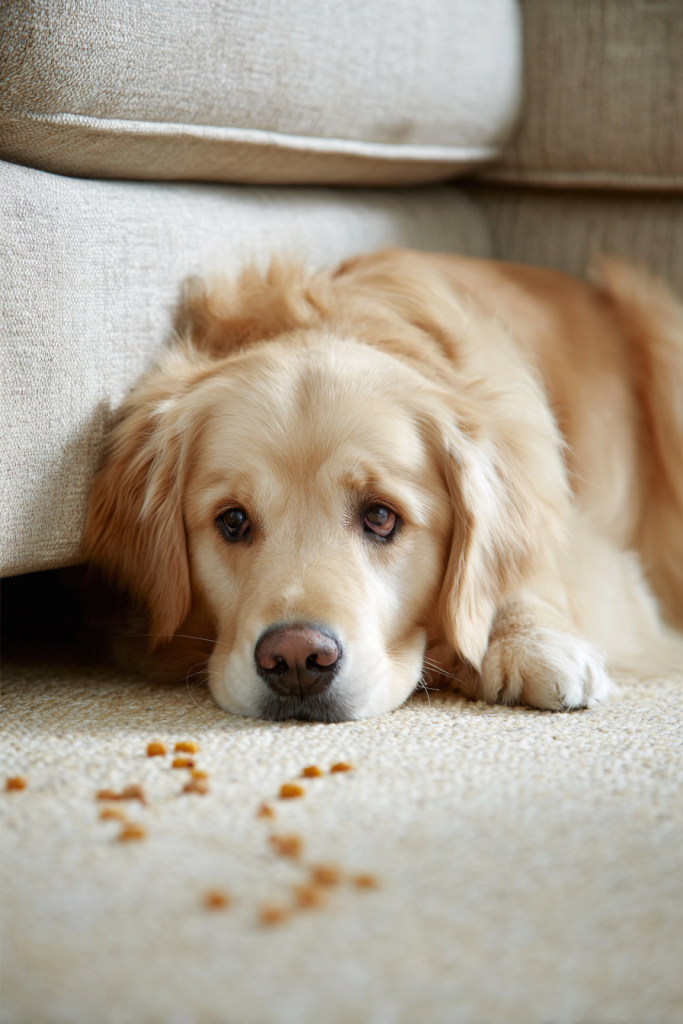
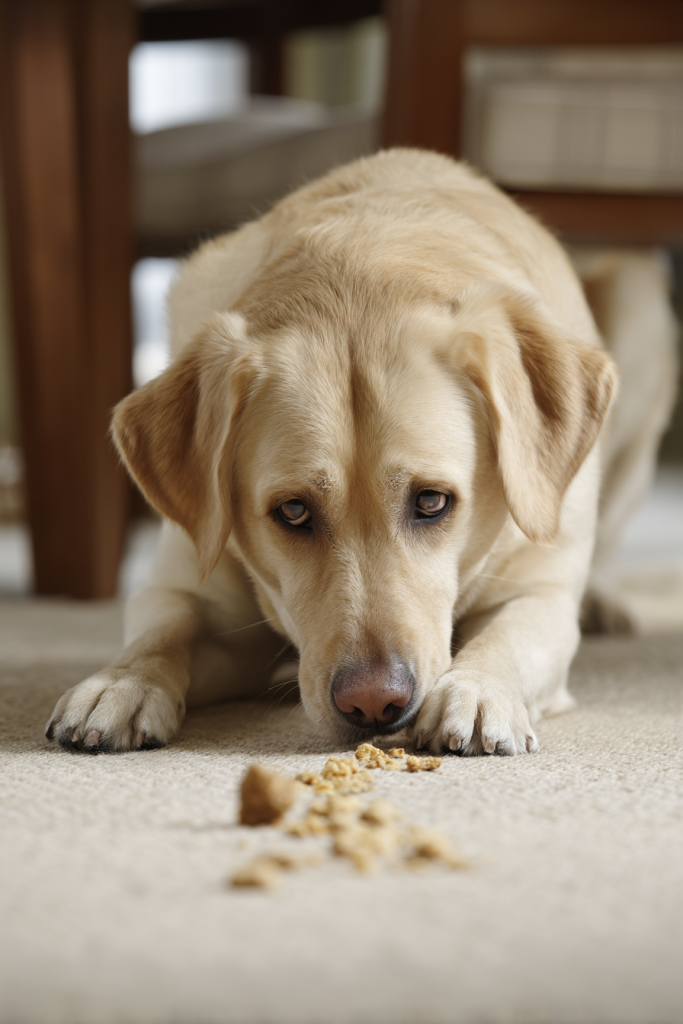
Scent work is a professional sport for dogs, but you can easily bring a simplified version of it into your living room to engage their curious minds. Start by putting your dog in another room and then create a trail of tiny treat crumbs leading to a larger ‘jackpot’ reward hidden behind a chair or under a box. As they get better at the game, you can stop leaving the trail and only hide the final prize, using a specific command like ‘find it’ to start the hunt. This game builds their focus and teaches them to rely on their primary sense rather than just looking for visual cues from you. It is a wonderful confidence-builder for shy dogs, as the success of finding the hidden treasure provides a huge hit of dopamine and self-assurance.
5.) The Cardboard Destruction Party
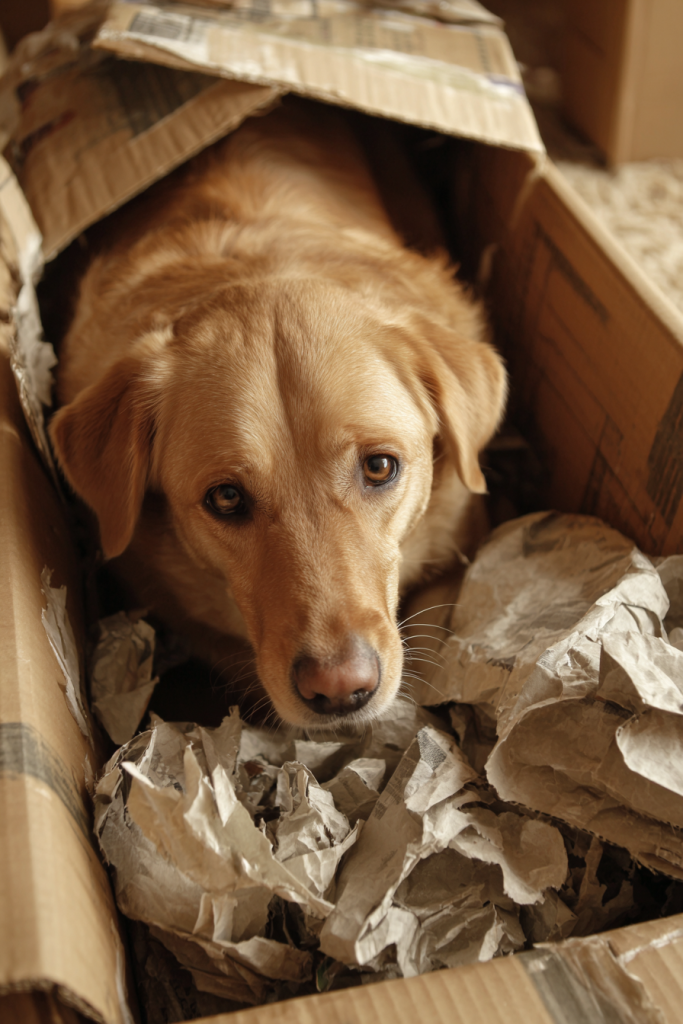
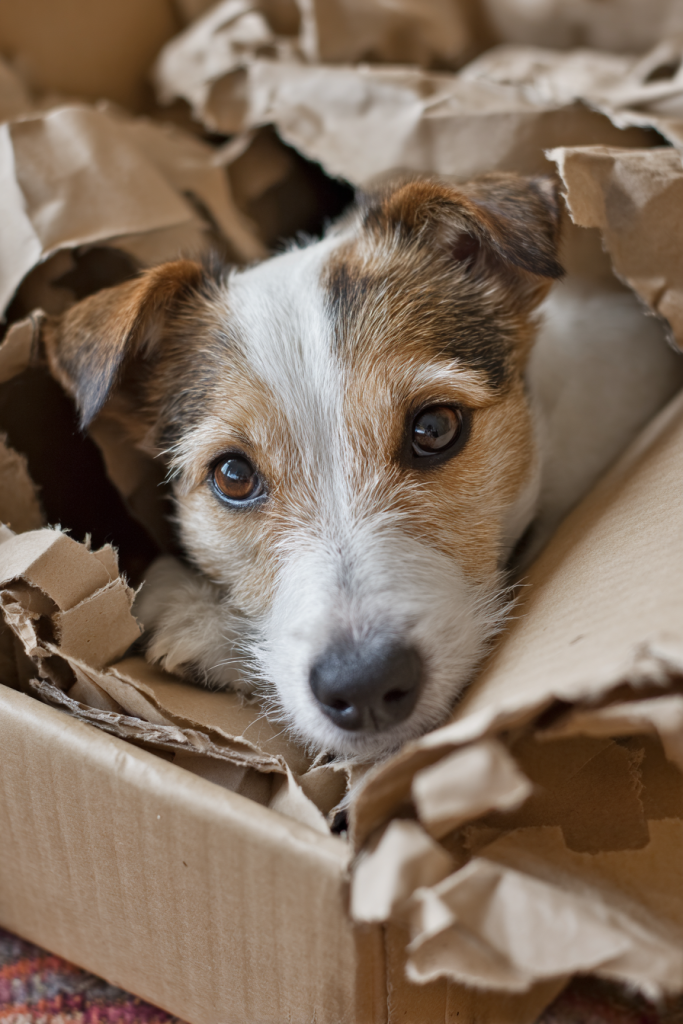
Many dogs have a natural drive to shred and deconstruct items, which is often why they target our mail or pillows. You can provide a safe and appropriate outlet for this instinct by using clean, tape-free cardboard boxes from your recycling bin. Simply hide some treats inside a box, fold the flaps shut, and let your dog figure out how to get inside. Some dogs will carefully unwrap the box, while others will gleefully shred the cardboard to pieces to reach the prize. This type of ‘productive destruction’ is highly satisfying for them and allows them to express a natural behavior without ruining your household belongings. Just be sure to supervise the session to ensure they are not actually ingesting the cardboard as they play.
6.) The ‘Which Hand’ Cognitive Game
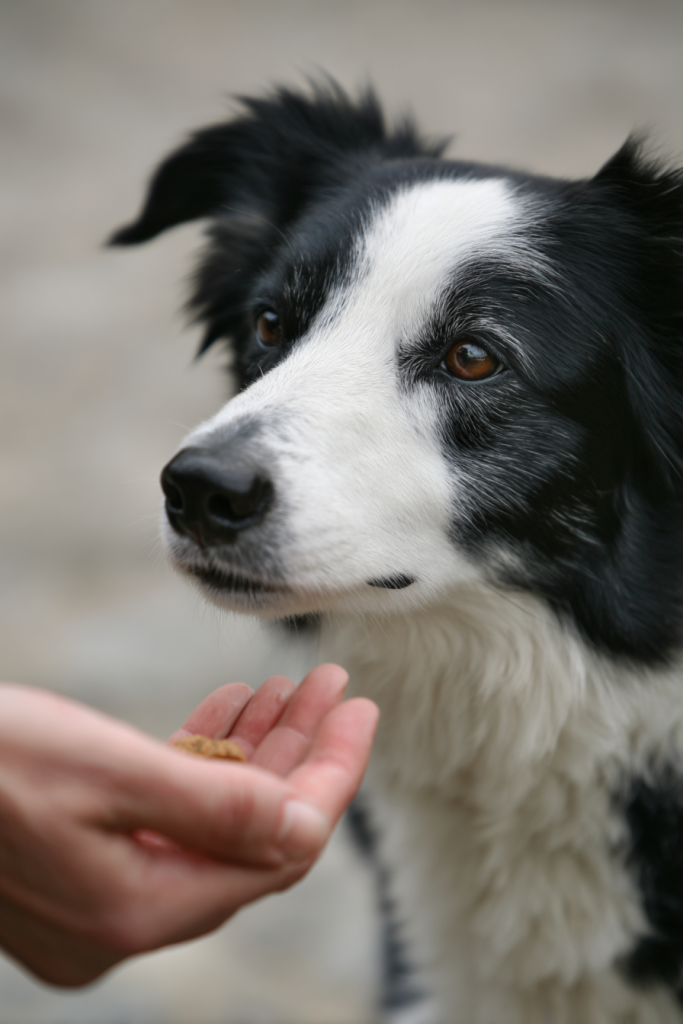
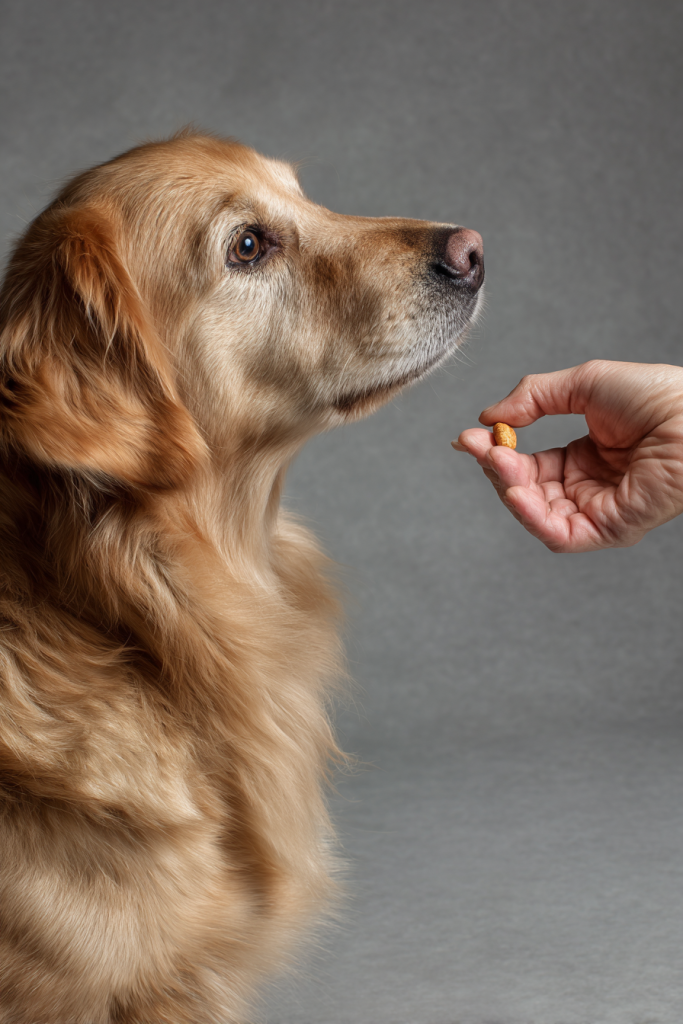
This is a simple yet effective way to work on your dog’s impulse control and decision-making skills. Hold a treat in one closed fist and present both hands to your dog, letting them sniff to figure out where the reward is located. Instead of rewarding them immediately when they paw at your hand, wait for a second of calm eye contact or a gentle touch before opening your fist. This game teaches them that calm behavior and thoughtful choices lead to better outcomes than frantic pawing. As they master the basics, you can add a third option or even hide the treat under one of three cups and shuffle them around. It is a great way to practice focus in a low-distraction environment while providing a fun mental workout.
7.) Non-Toxic Bubble Chasing
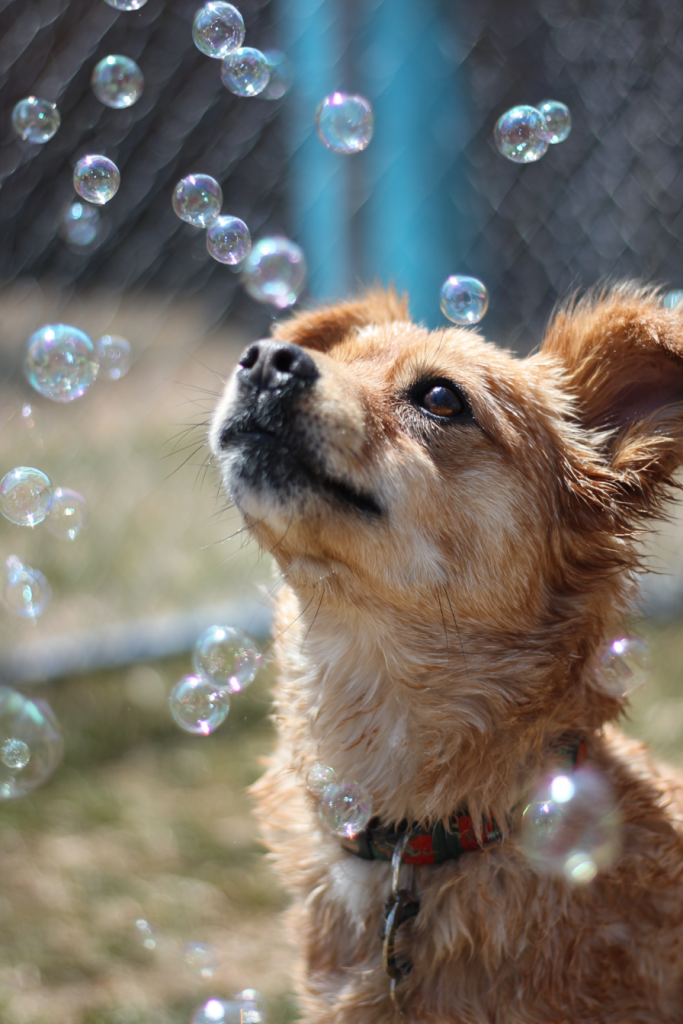
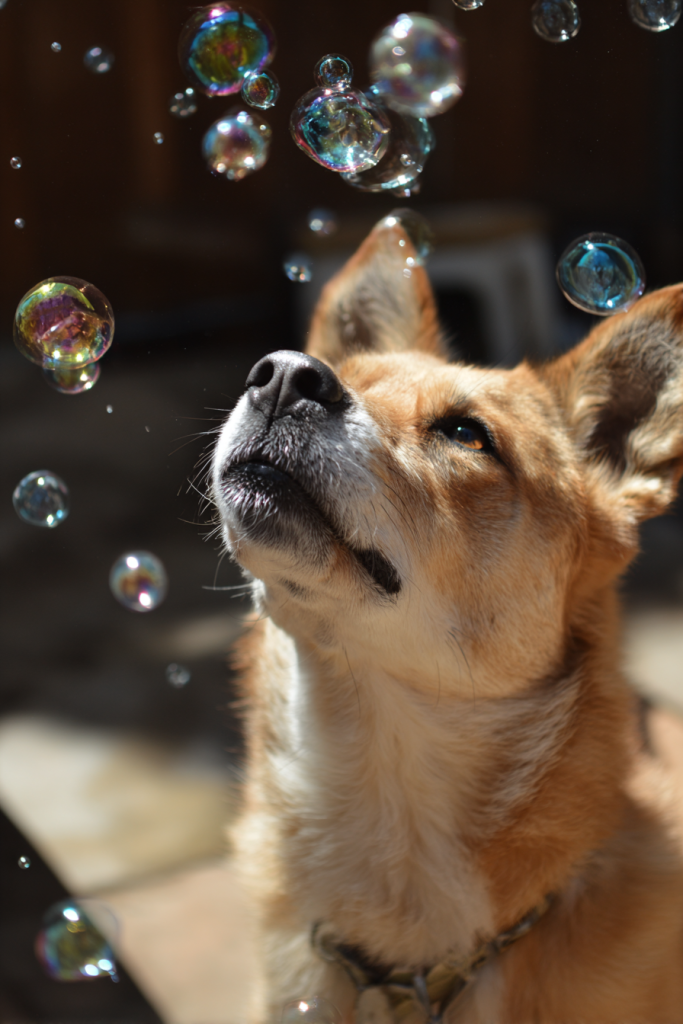
Bubbles are an underrated tool for physical and visual enrichment, especially for dogs with a high prey drive who love to chase moving objects. Using bubbles that are specifically formulated to be non-toxic and flavored like bacon or peanut butter adds an extra layer of sensory excitement. As the bubbles float and pop, your dog will use their coordination to leap and catch them, providing a burst of cardiovascular exercise alongside the visual stimulation. This activity is particularly useful for smaller spaces where a full game of fetch might not be possible. It encourages them to track moving targets in the air, which is a different type of visual processing than following a ball on the ground, keeping their reflexes sharp and their mind fully engaged in the hunt.
8.) Lick Mat Artistry
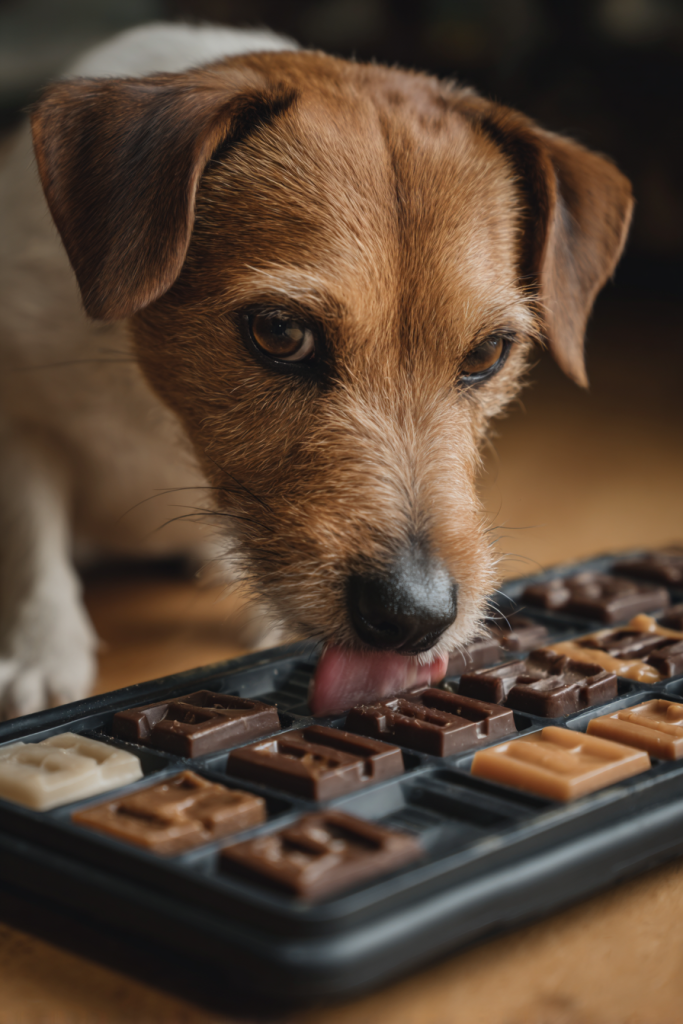
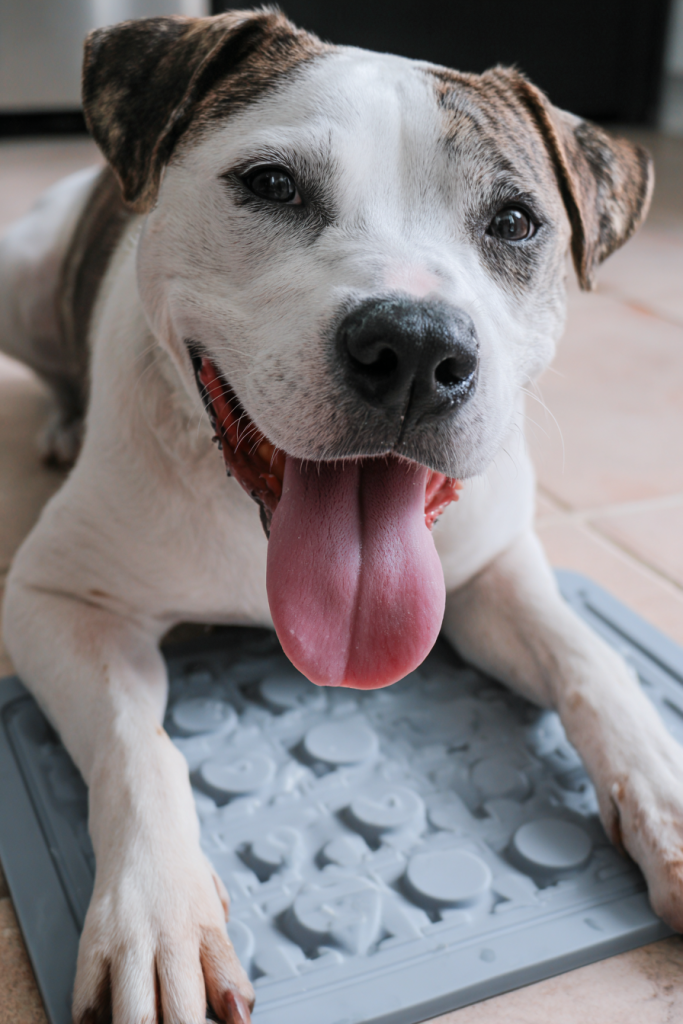
A lick mat is a flat silicone pad with various textures and grooves designed to hold soft spreads like plain Greek yogurt, pumpkin puree, or peanut butter. The goal is for the dog to spend a significant amount of time working their tongue into every nook and cranny to clean the mat. Much like the frozen treats, the act of licking is a self-soothing behavior that helps reduce cortisol levels in the brain. You can make these mats more challenging by freezing the spread before giving it to your dog, which extends the activity even further. This is a perfect enrichment tool for stressful situations, such as during a thunderstorm or while you are grooming them, as it provides a delicious and distracting task that promotes a sense of safety and calm.
9.) The Toy Vocabulary Lesson
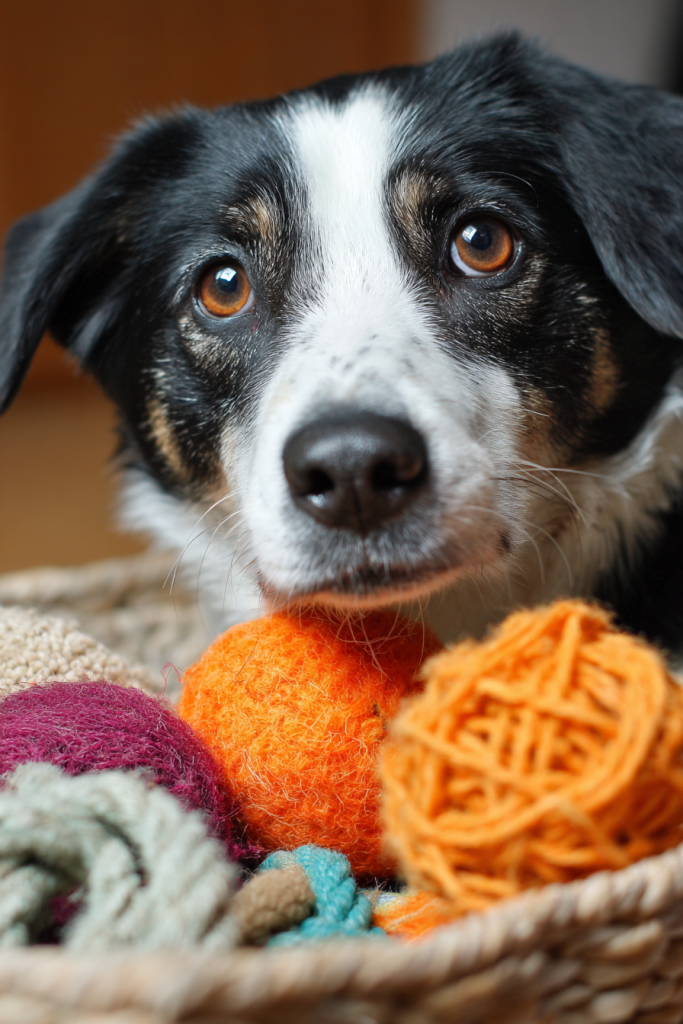
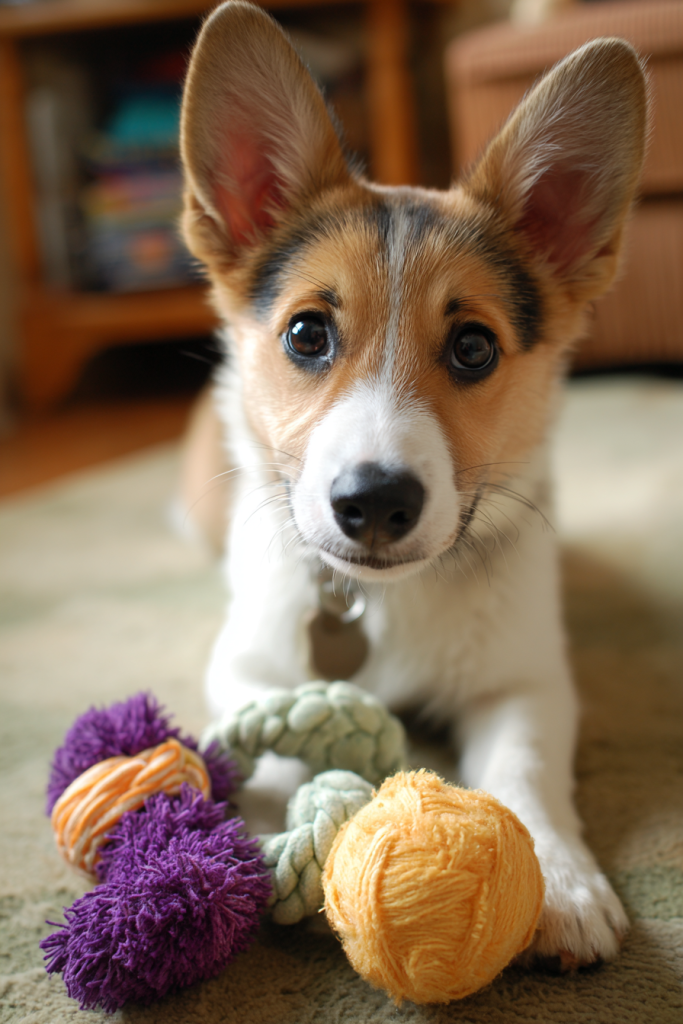
Dogs are capable of learning the specific names of dozens of different objects, and teaching them to identify their toys by name is a high-level cognitive challenge. Start with two very different toys, such as a squeaky ball and a plush rope, and reward your dog whenever they touch the specific toy you name. Over time, you can add more toys to the pile and ask them to ‘bring the bear’ or ‘find the ball.’ This activity requires them to use their memory and auditory processing skills to distinguish between different words and shapes. It is an excellent way to provide mental stimulation indoors and can eventually lead to helpful chores, like teaching your dog to put all their toys back into a basket at the end of the day.
10.) The Household Agility Course
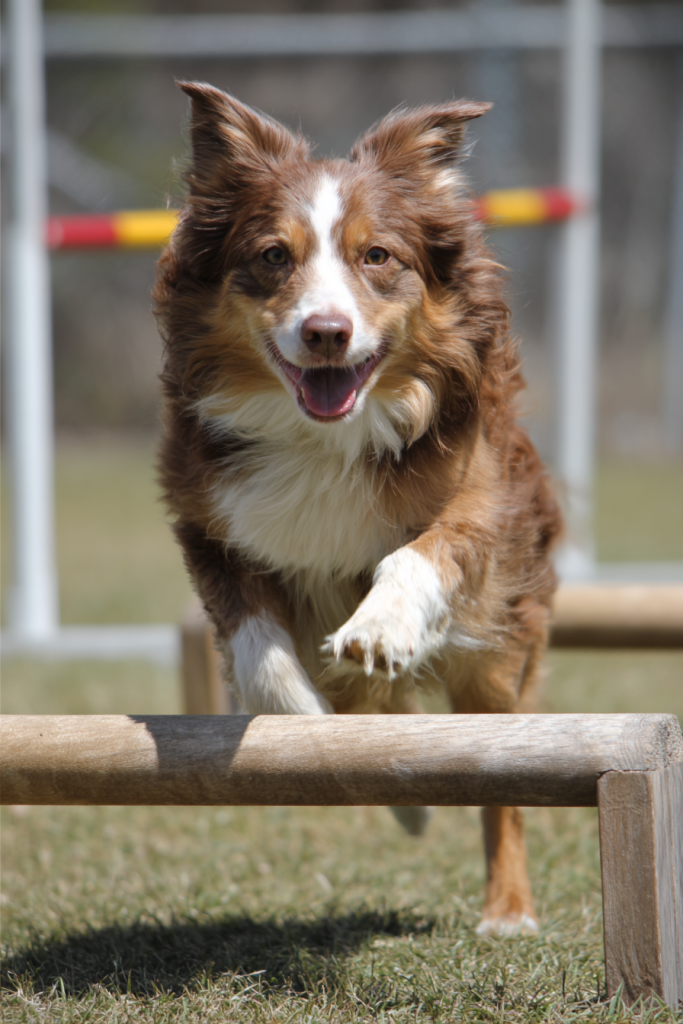
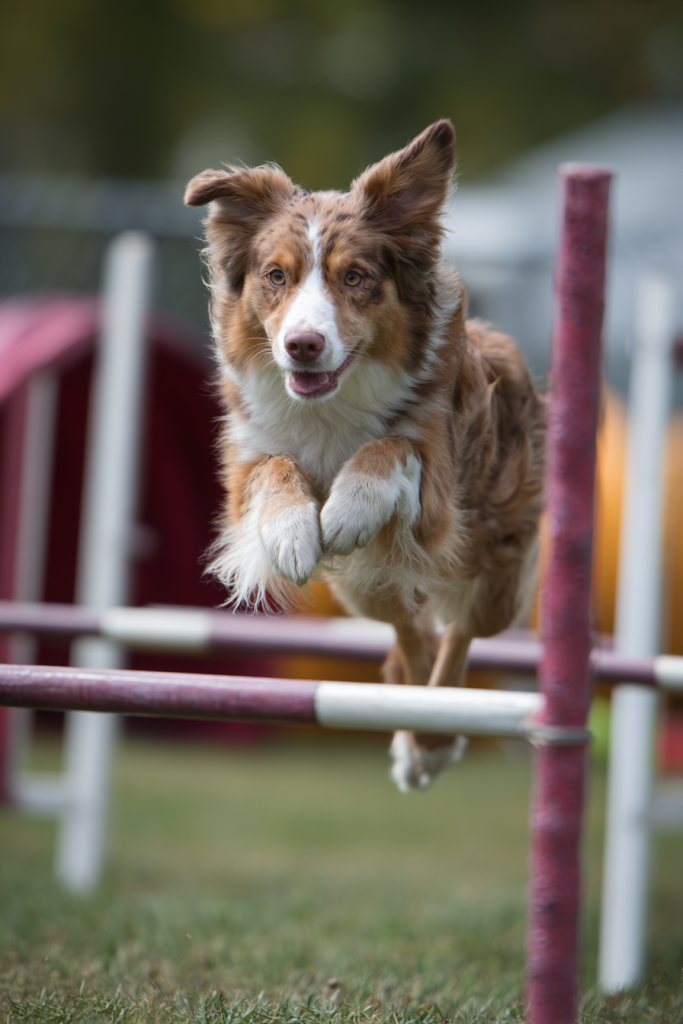
You do not need professional equipment to give your dog the benefits of an agility course; you can use everyday furniture to create a physical and mental challenge. Use a broomstick balanced between two chairs as a low jump, a row of sturdy cushions as a balance beam, or a large open-ended box as a tunnel. Leading your dog through the course requires them to pay close attention to your body language and verbal cues while navigating their own physical space. This type of proprioception, the awareness of where their body is in space, is vital for their physical health and prevents injuries. It is a fun, collaborative game that builds immense trust and keeps their mind sharp as they learn to navigate new obstacles and follow your lead.
In Closing
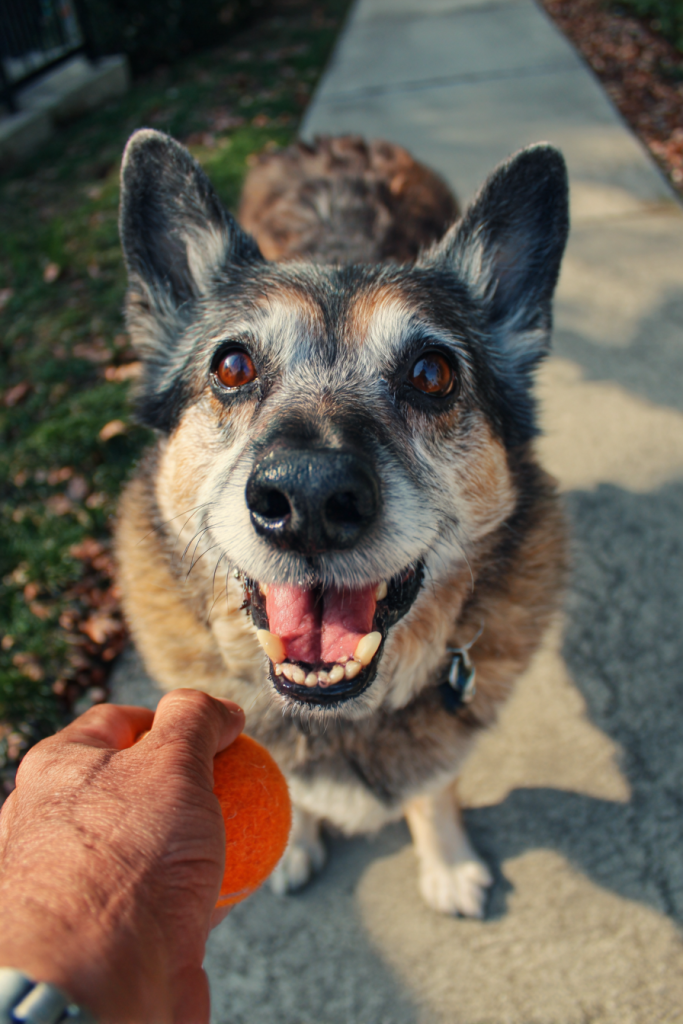
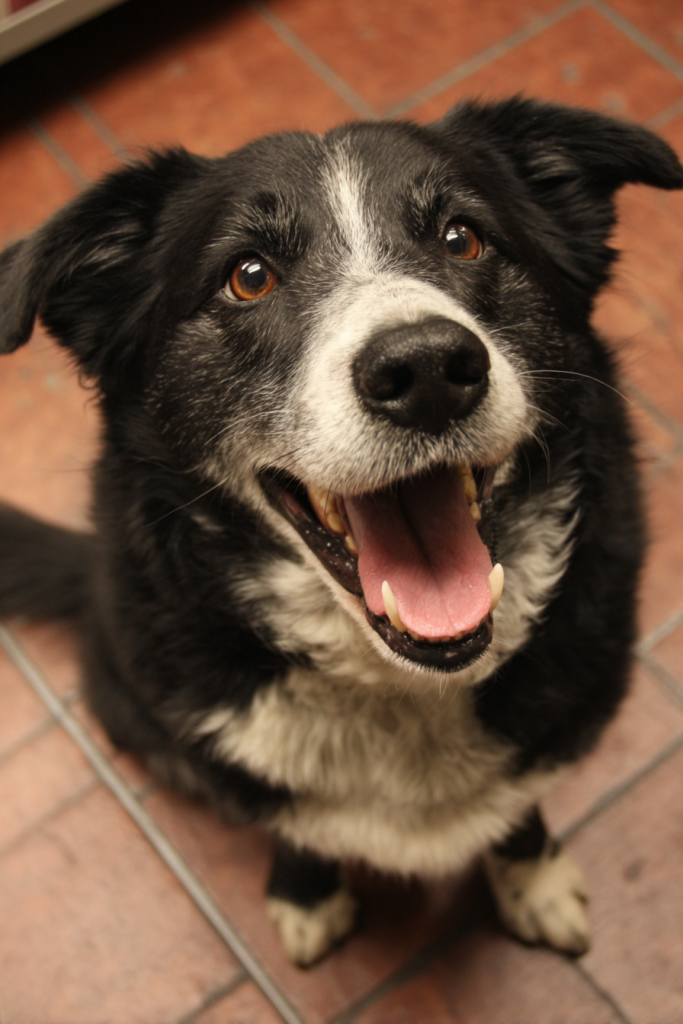
Enrichment is not just an optional luxury for a dog; it is a fundamental pillar of their health and happiness. By shifting our perspective and seeing our dogs as the intelligent, curious beings they truly are, we can create a home environment that satisfies their deepest instincts. These ten ideas are just the beginning of what you can do to transform a standard day into an adventure of the mind. Whether you are hiding treats in a box or teaching them the names of their favorite toys, you are providing a gift of engagement and joy. A dog whose mind is regularly challenged is a dog who feels seen, understood, and deeply loved. As you watch them solve a puzzle or follow a scent, you are witnessing the incredible intelligence that has made them our most cherished companions for thousands of years.
