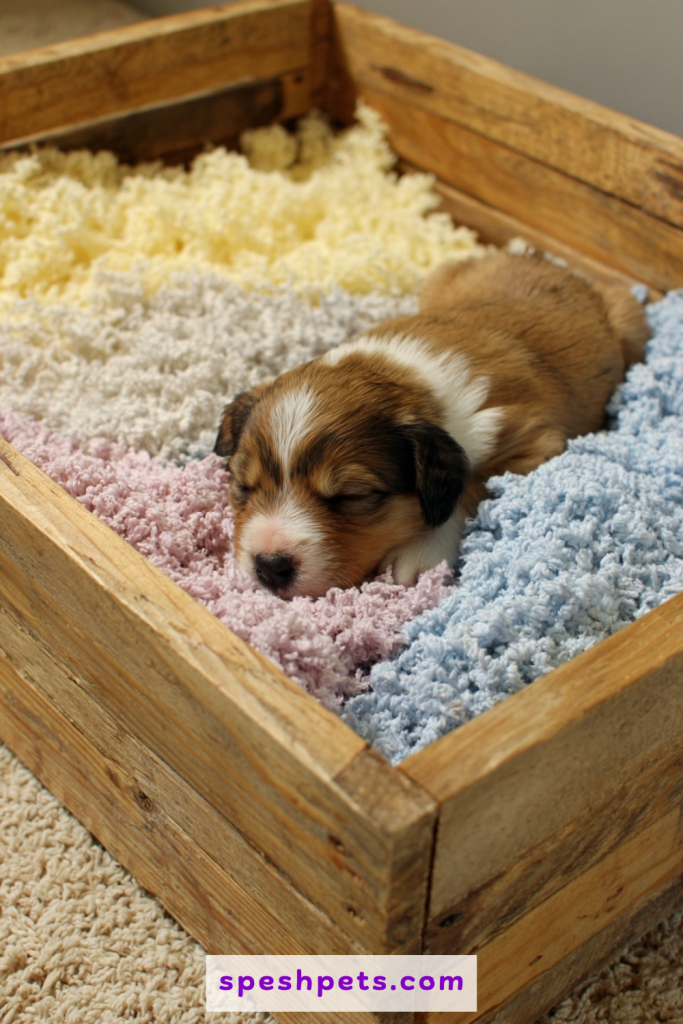
Creating a dedicated space for a mother dog to bring her litter into the world is one of the most critical steps in preparing for a successful delivery. A whelping box serves as a sanctuary that offers safety, warmth, and a sense of security during an inherently vulnerable time. By providing a controlled environment, you significantly reduce the stress on the mother, allowing her to focus entirely on her maternal instincts. A well-designed box prevents puppies from wandering away and getting cold, while also protecting them from being accidentally crushed. This preparation is a labor of love that ensures the first few weeks of life are as peaceful and organized as possible for both the growing family and the human caretakers.
1.) Repurposed Plastic Kiddie Pool
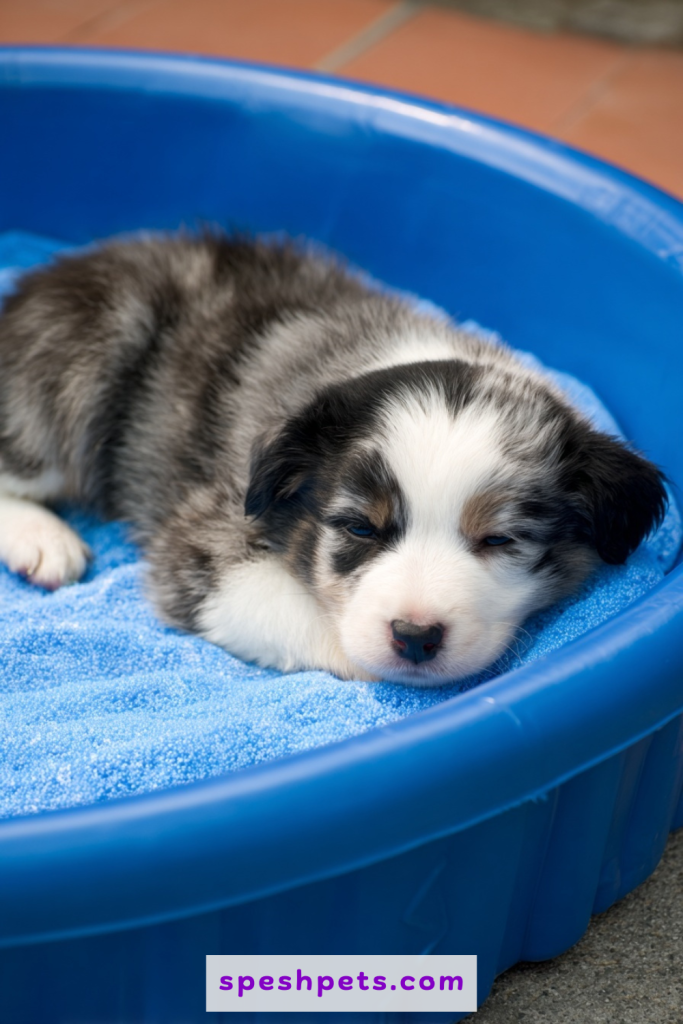
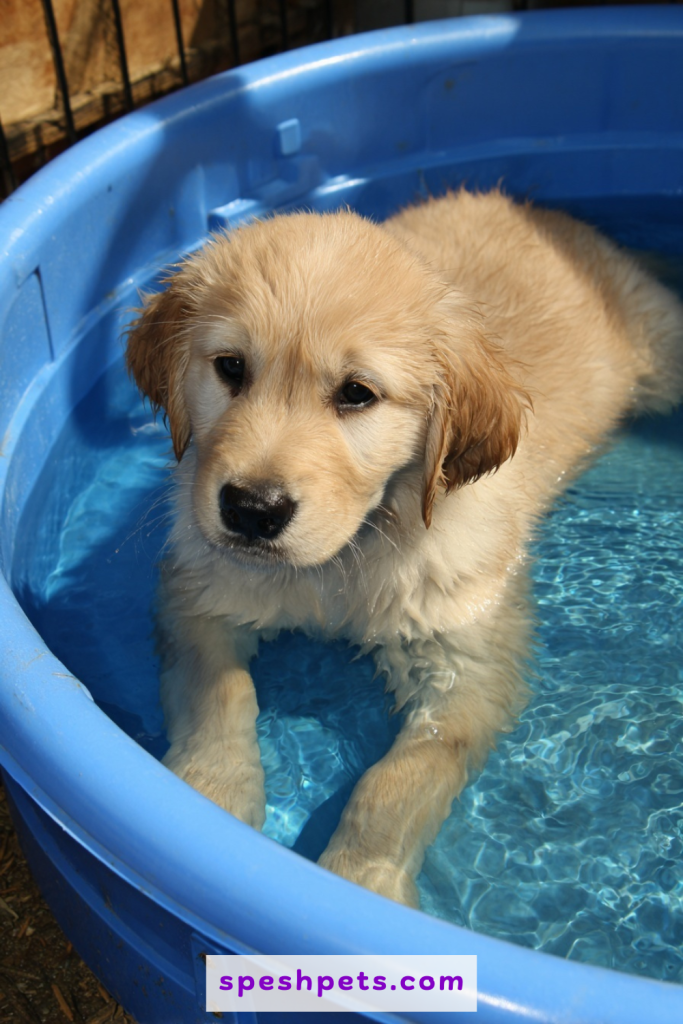
A large plastic kiddie pool is a fan favorite among breeders because it is incredibly affordable and remarkably easy to clean. The circular shape eliminates sharp corners where a puppy might get stuck, and the high, smooth walls are perfect for keeping the litter contained. You can easily add a layer of non-slip flooring and soft bedding to make it comfortable. While it lacks built-in safety rails, many owners find that the sloped sides offer a natural protection. It is a waterproof solution that can be housed in a quiet corner of the home, providing a low-stress environment for the mother to nurse her young without distraction.
2.) Custom Plywood Build with Pig Rails
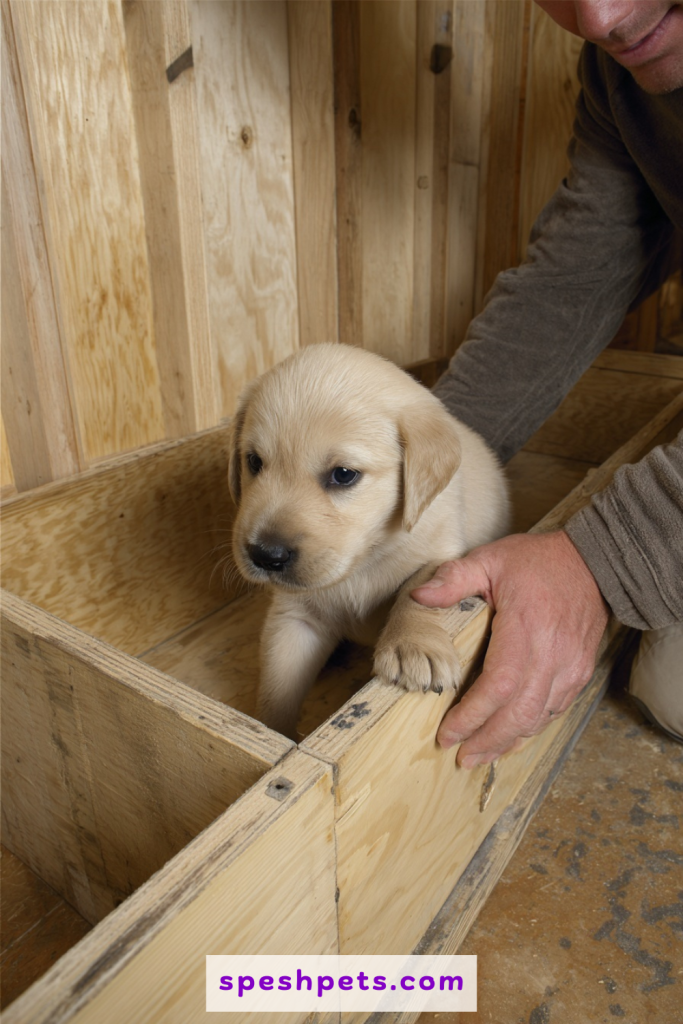
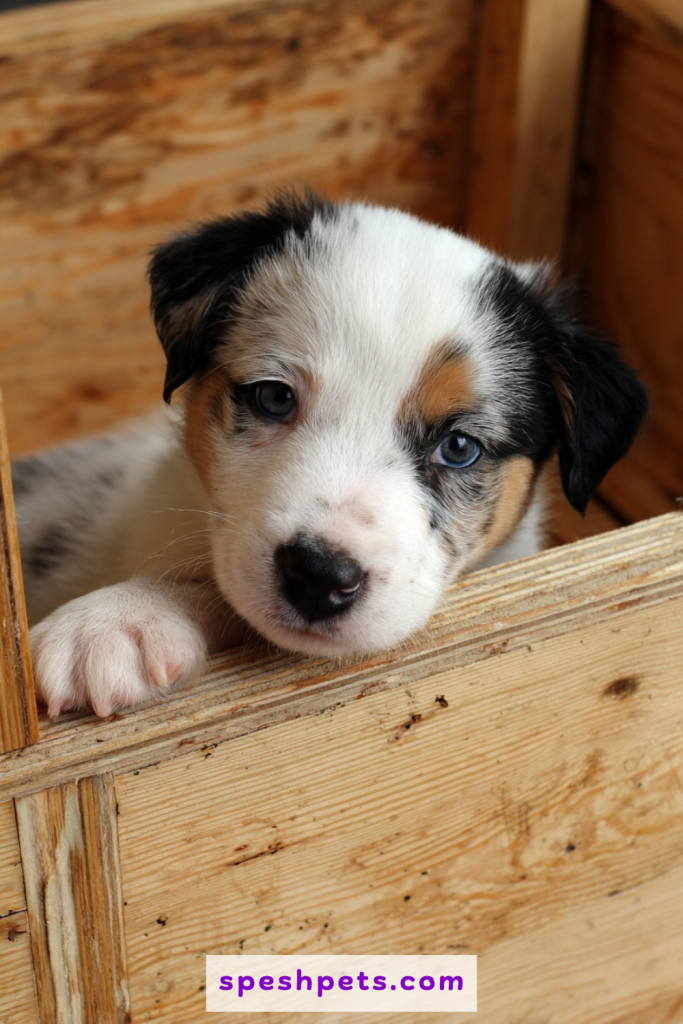
For those with basic carpentry skills, constructing a classic plywood whelping box is the gold standard for durability and safety. The most important feature of this build is the addition of pig rails, small ledges positioned a few inches above the floor. These rails prevent the mother from accidentally pinning a puppy against the wall, giving the tiny newborns a safe space to crawl under. Plywood allows you to customize the dimensions to perfectly fit the size of your dog, ensuring she has enough room to stretch out. Painting or sealing the wood with pet-safe materials makes the box easier to sanitize between cleanings, maintaining a healthy nursery.
3.) The Large Plastic Storage Bin Conversion
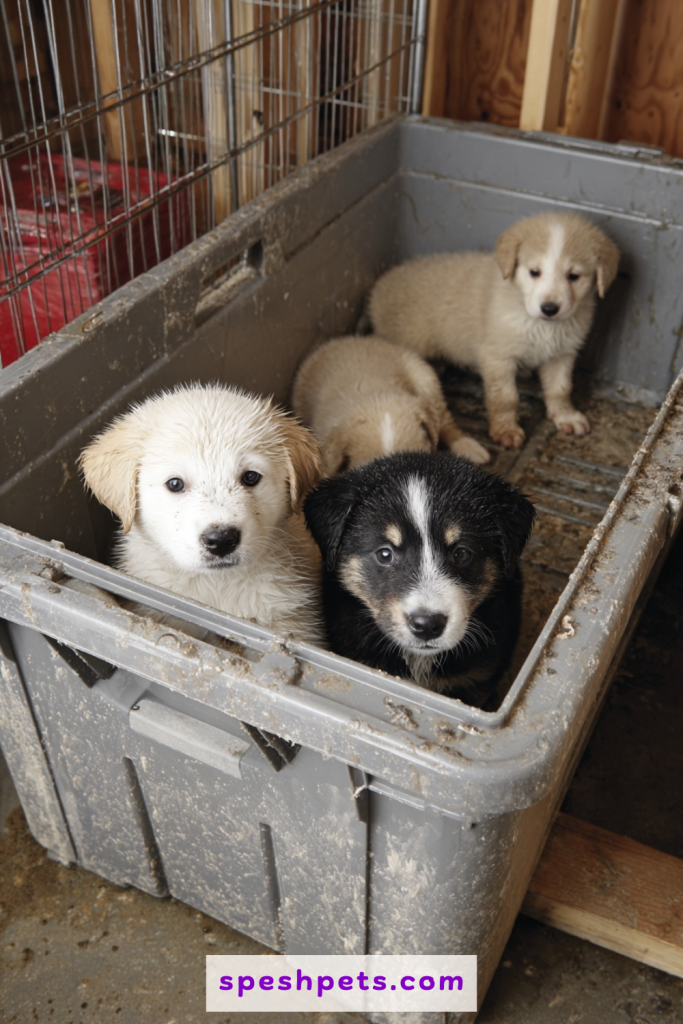
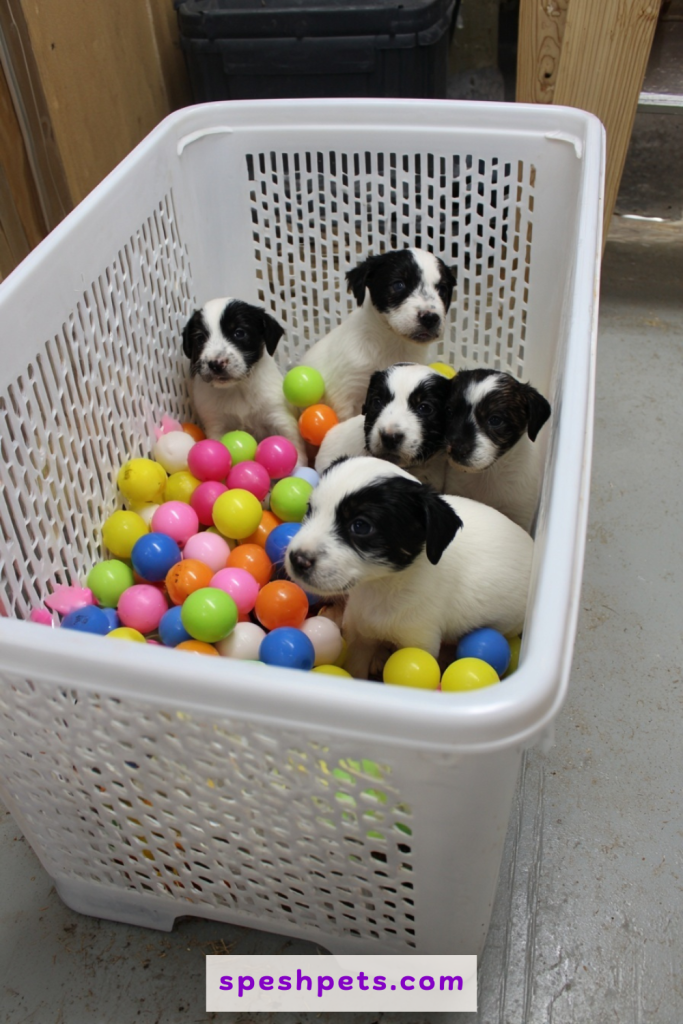
Converting a massive plastic storage tote into a whelping area is an excellent solution for smaller breeds. By cutting out one side to create a low-entry door, you allow the mother to move in and out easily while keeping the puppies securely inside. The plastic material is naturally waterproof and can be scrubbed down in minutes, which is essential during the messy early stages of puppyhood. This setup is lightweight and portable, meaning you can move the nursery to a warmer or quieter room if needed. It is a cost-effective way to provide a professional-level sanctuary without needing a full workshop of tools.
4.) Repurposed Dresser or Furniture Frame
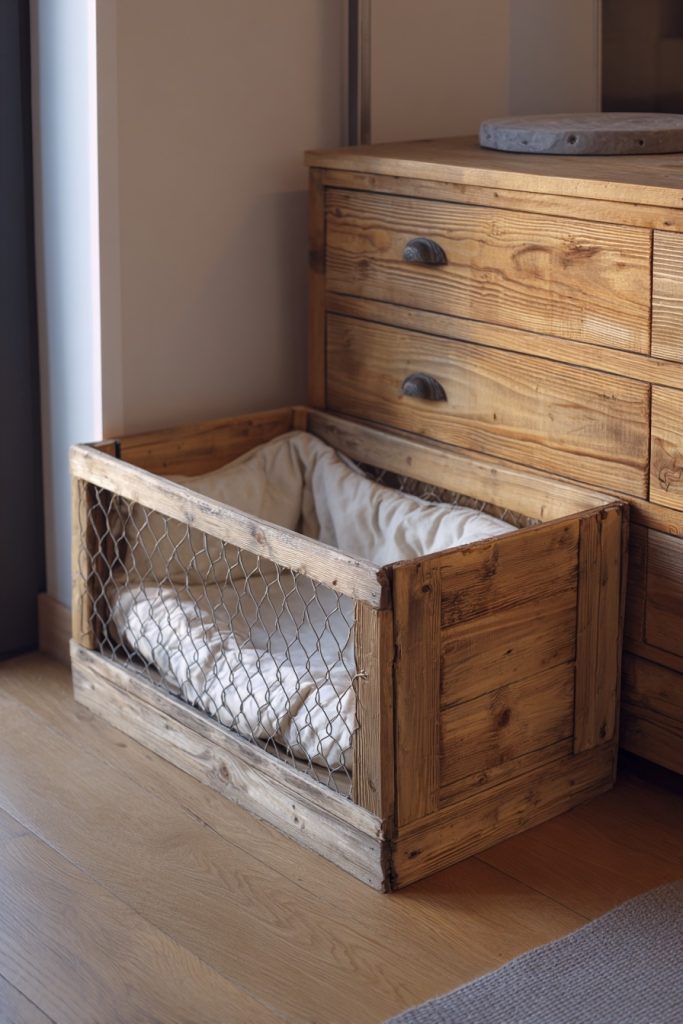
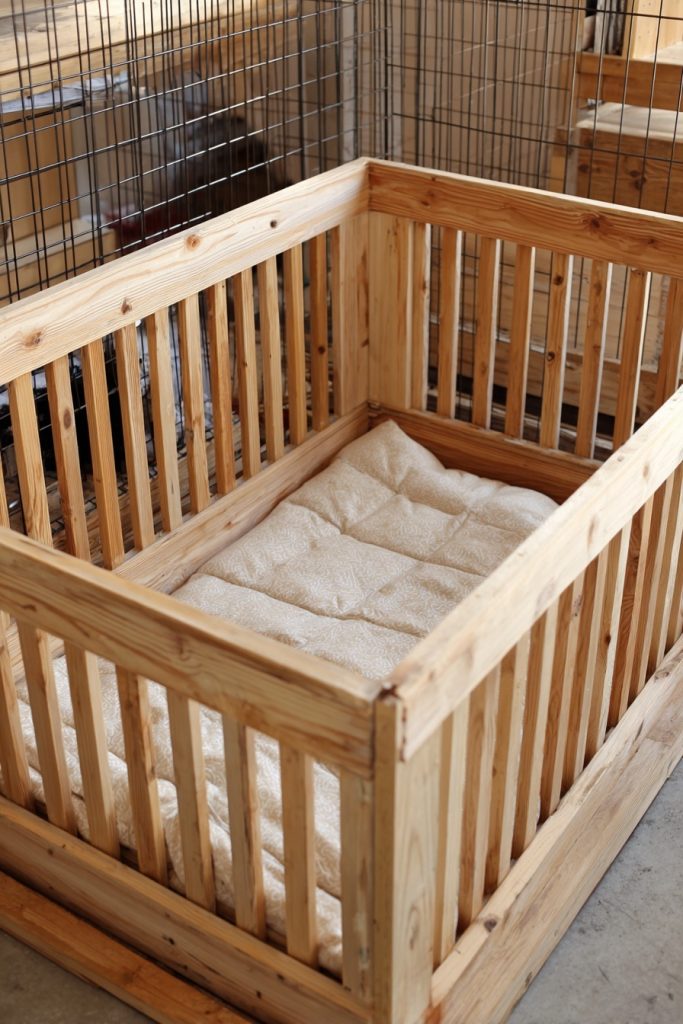
If you have an old wooden dresser that is no longer in use, you can remove the drawers and the bottom panels to create a sturdy, high-walled whelping frame. The solid wood construction provides excellent insulation and a sense of permanence that helps the mother feel secure. You can sand down the edges and add a waterproof liner to the floor to protect your home. This upcycled approach is not only environmentally friendly but also results in a piece of furniture that looks much more integrated into your home decor than a plastic tub. It is a creative way to give new life to old furniture while serving a vital purpose.
5.) Soft-Sided Portable Playpen Modification
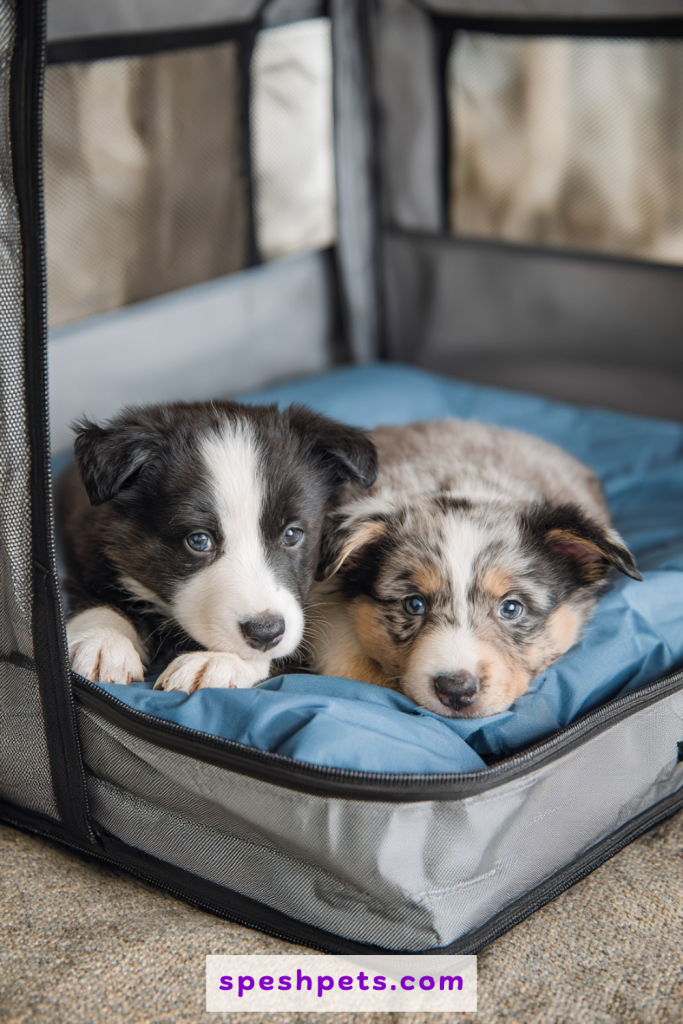
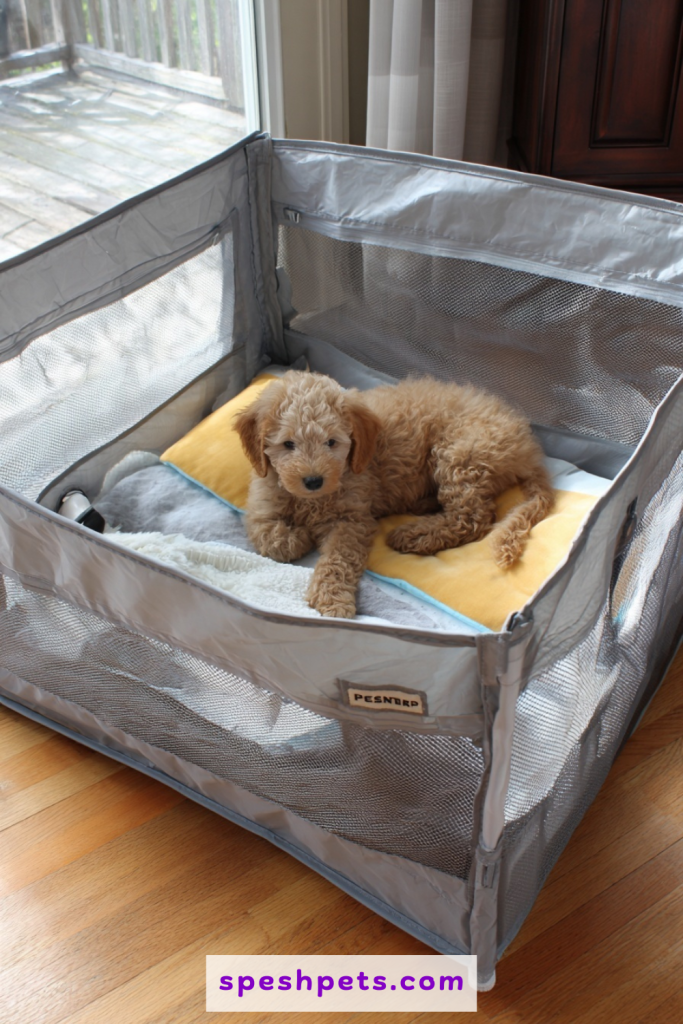
Soft-sided portable playpens are designed for travel, but they can be modified into a cozy whelping space for calm mothers. These units often feature mesh windows for ventilation and a zippered top that allows you to monitor the litter without intruding on their space. To make it birth-ready, you should reinforce the floor with a rigid, waterproof base and add soft, absorbent pads. The primary benefit of this design is that it can be folded away when not in use, making it ideal for those with limited space. It provides a soft, padded environment that minimizes the risk of injury for active puppies.
6.) The Modular PVC Pipe and Canvas Setup
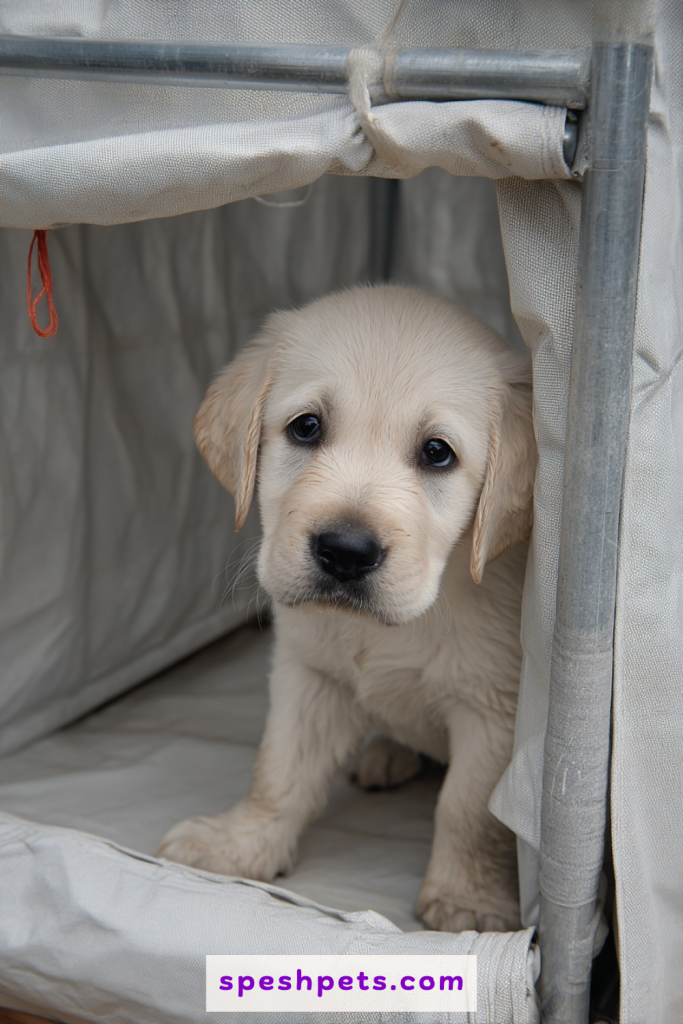
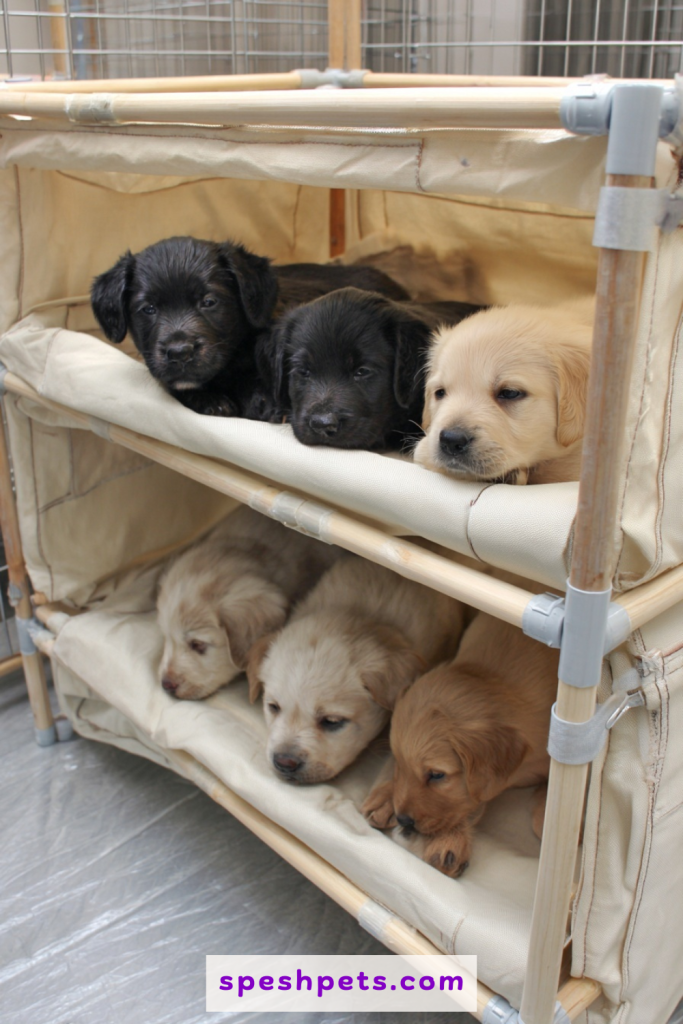
Using PVC pipes to create a frame and covering it with heavy-duty canvas or vinyl is a modular approach that offers great flexibility. The PVC structure is lightweight and rust-proof, while the fabric walls provide a soft barrier for the puppies. This design is particularly easy to disassemble and wash, ensuring the nursery remains hygienic throughout the weeks of weaning. You can even use the PVC pipes themselves to create internal safety rails, making it a comprehensive and professional DIY project. It is an innovative solution for those who want a custom-sized box that is easy to store between litters.
7.) Converted Walk-in Closet Space
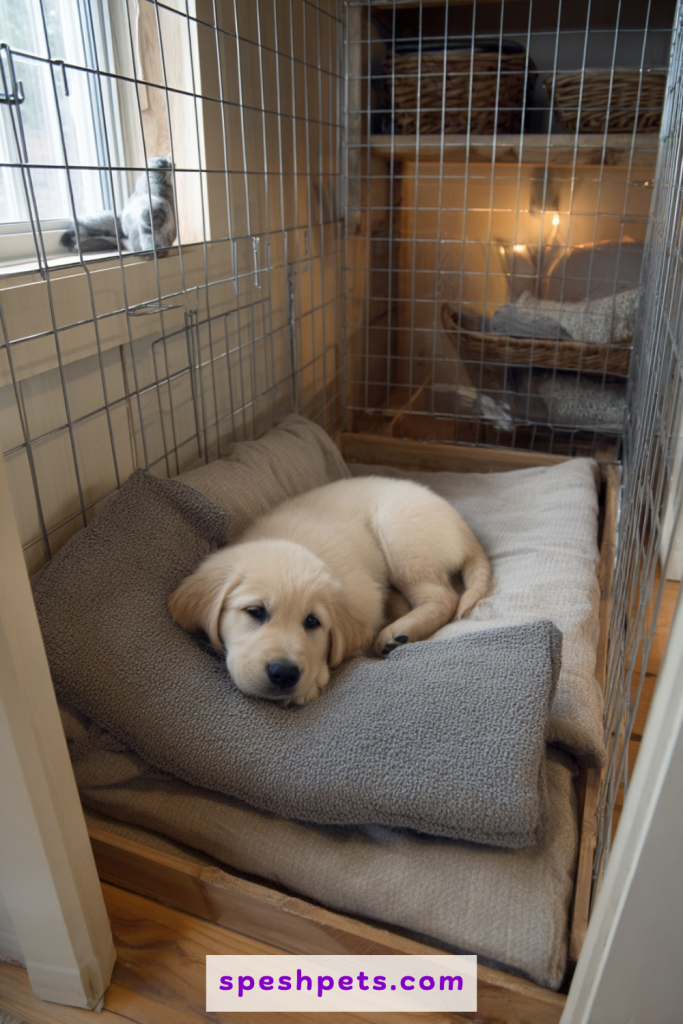
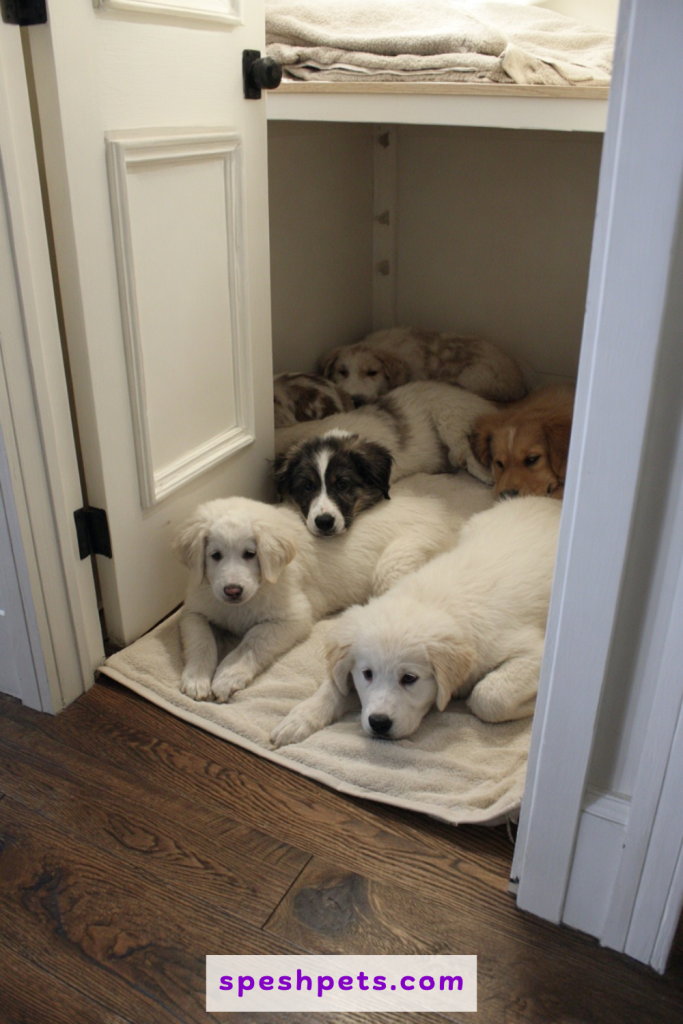
For a truly low-effort but highly effective setup, converting a walk-in closet into a whelping room provides the ultimate quiet and dark environment that many dogs crave. By installing a low temporary barrier across the doorway and lining the floor with heavy-duty pond liner and towels, you create a built-in nursery. The enclosed space naturally retains heat, which is vital for newborn puppies who cannot regulate their own body temperature. This method uses the existing architecture of your home to provide a sense of seclusion, protecting the mother from the noise and foot traffic of a busy household.
8.) Heavy-Duty Cardboard Box (The Budget Option)
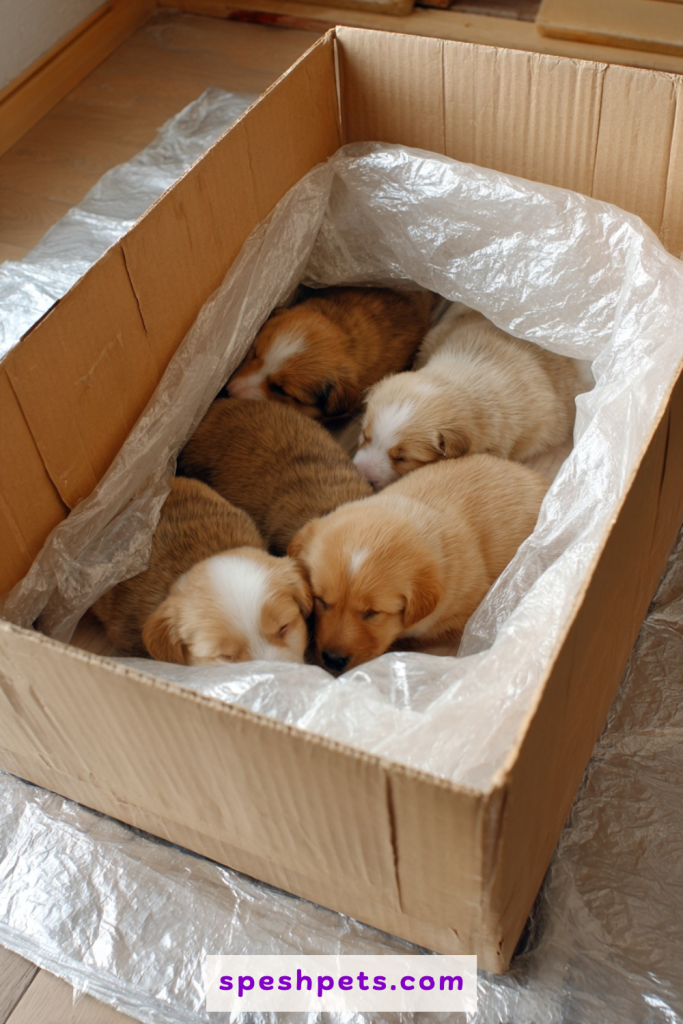
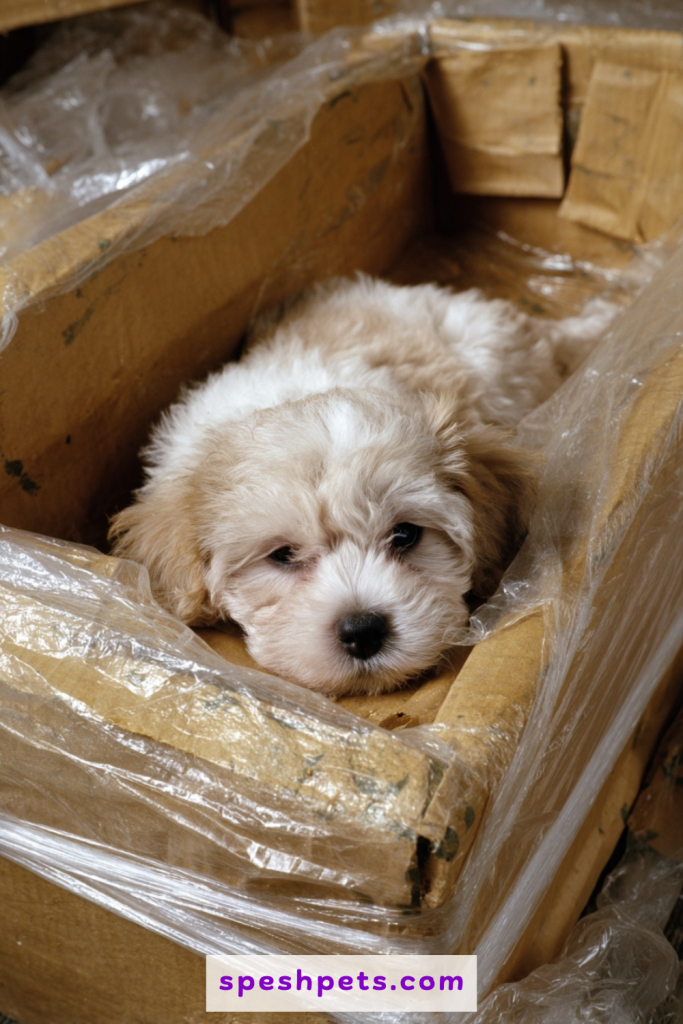
When budget is the primary concern, a heavy-duty cardboard box from an appliance or large piece of furniture can be reinforced into a functional whelping area. While it is not a long-term solution, it is highly effective for the birth itself and the first few days. The key is to line the entire interior with thick plastic sheeting to prevent moisture from weakening the structure. The beauty of this method is that the box can be easily disposed of and replaced if it becomes too soiled, ensuring a clean start for the litter. It is a simple, accessible way to ensure every dog has a safe place to give birth.
9.) Wooden Pallet Upcycle
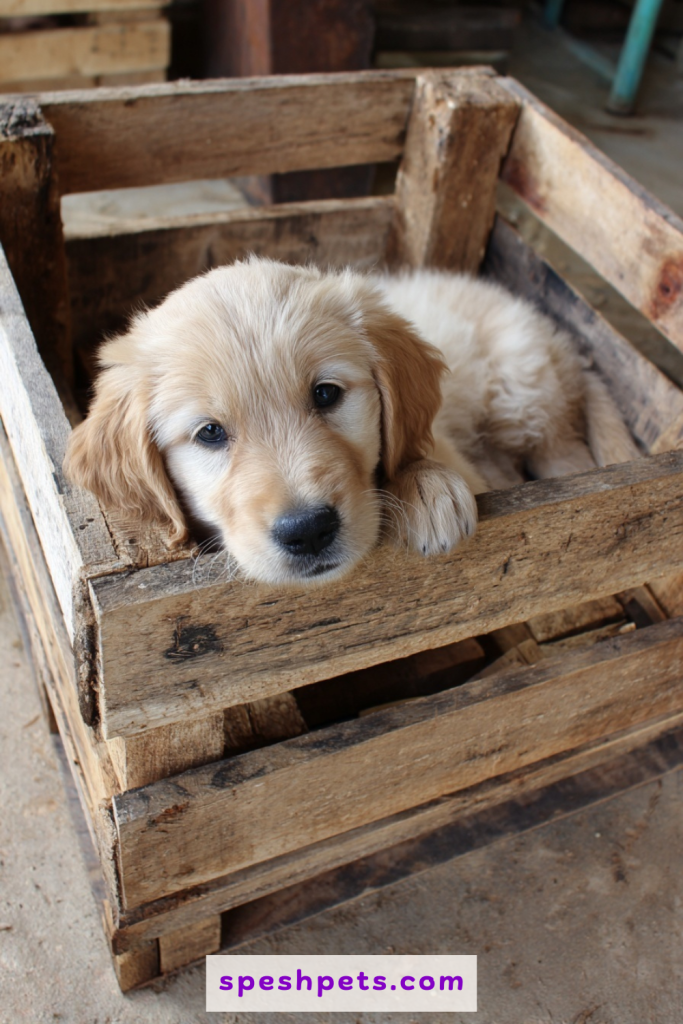
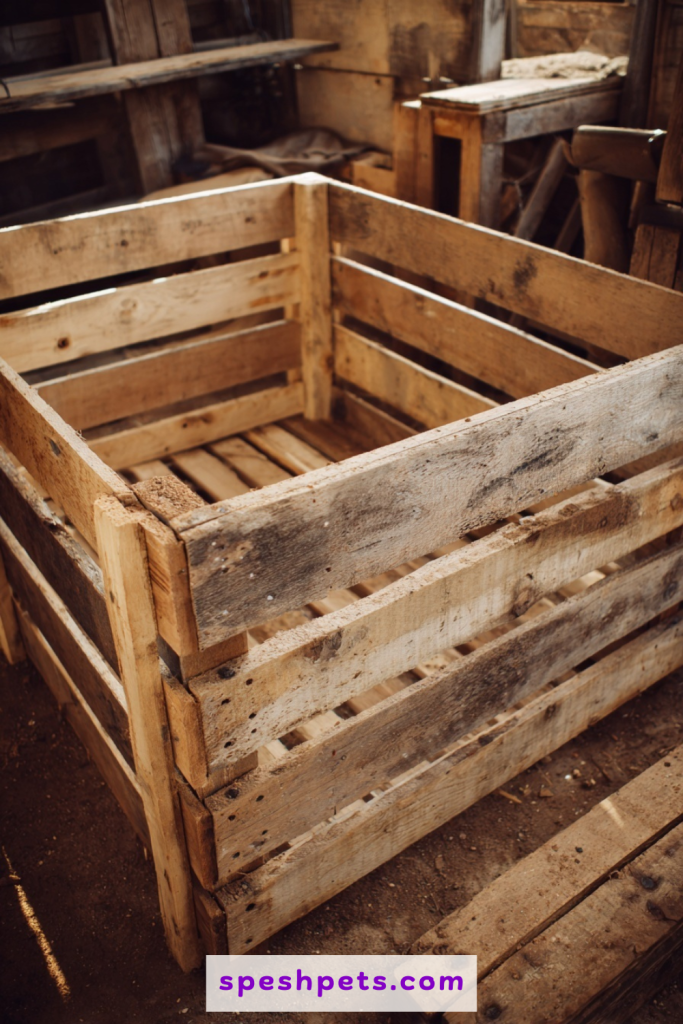
Reclaiming wooden pallets is a popular DIY trend that works well for creating a rustic and sturdy whelping box. By disassembling the pallets and using the planks to build a four-walled enclosure, you create a space that is both strong and well-ventilated. It is crucial to sand the wood thoroughly to prevent splinters and to ensure no gaps are large enough for a puppy’s head to get stuck. This project allows for significant customization, such as adding a swinging door or integrated food and water stations for the mother. It is a rugged, budget-friendly option for those who enjoy working with reclaimed materials.
10.) The Expandable Exercise Pen (X-Pen) Hybrid
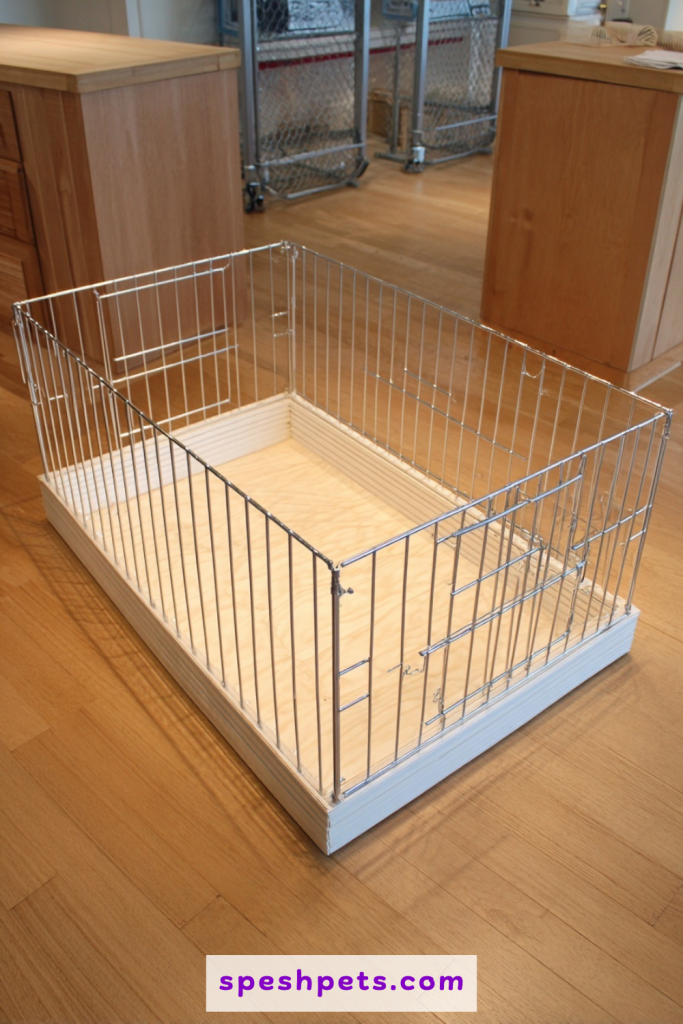
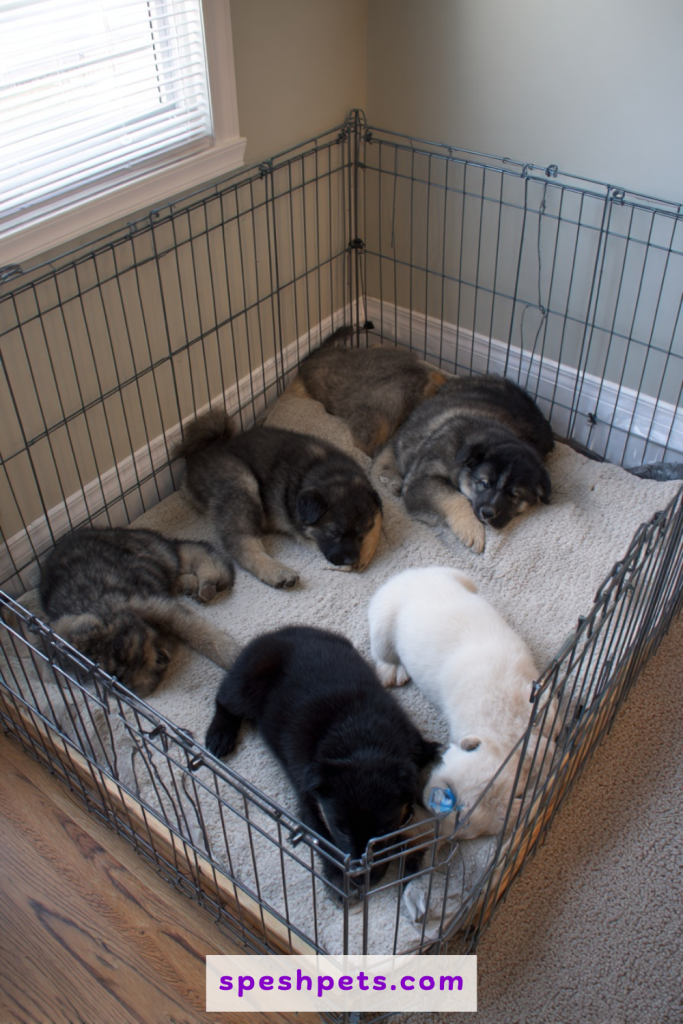
An exercise pen can be configured into a whelping box by attaching it to a solid base and lining the bottom few inches with corrugated plastic or plywood. This hybrid design allows you to expand the space as the puppies grow and become more mobile, providing a seamless transition from a birthing box to a play area. The wire walls offer excellent visibility, allowing you to keep an eye on the mother and litter from across the room. It is a versatile system that adapts to the changing needs of the puppies, making it a favorite for breeders who want a long-term solution.
In Closing
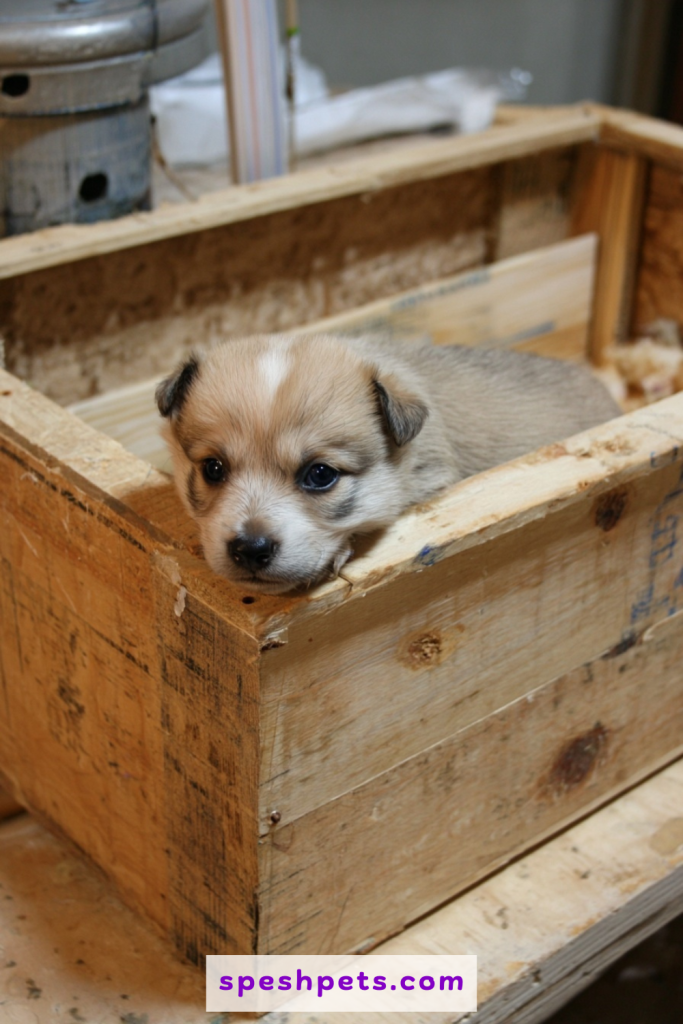
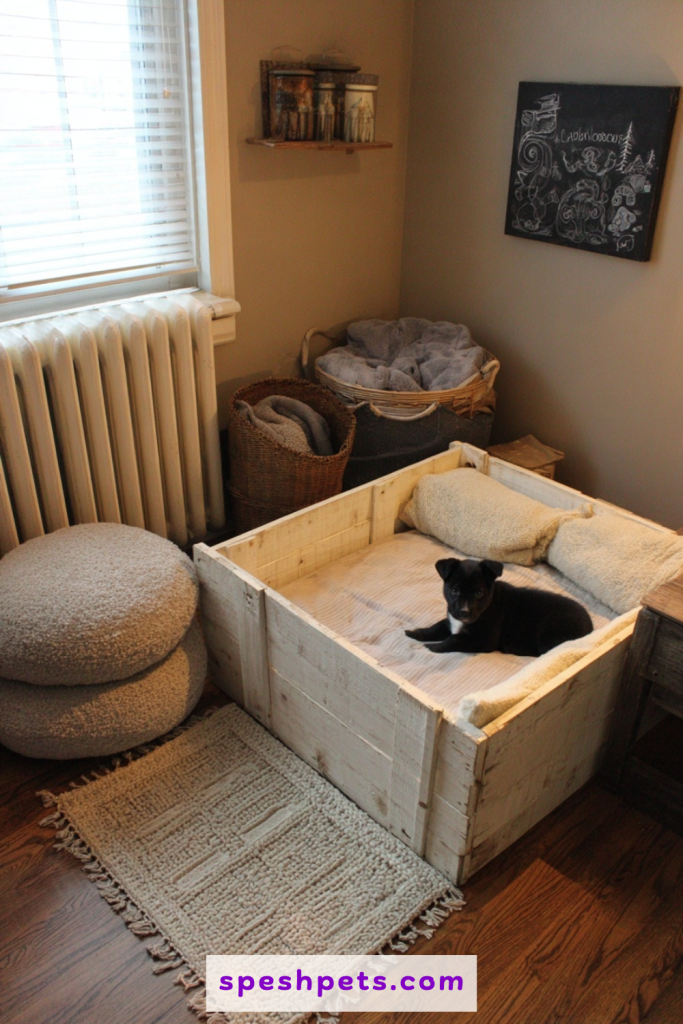
Building a whelping box is a foundational part of the journey toward welcoming new life into your home. Each of these DIY ideas offers a unique way to balance cost, space, and safety, ensuring that the mother dog has exactly what she needs to feel secure during the birthing process. Whether you are building a permanent wooden fixture or repurposing a simple plastic pool, the goal remains the same: a clean, warm, and protected environment where puppies can thrive. As you prepare this space, you are setting the stage for a stress-free transition into motherhood for your pet. Take your time with the construction, focus on safety features like pig rails, and soon enough, that box will be filled with the quiet sounds of a happy, nursing litter.
