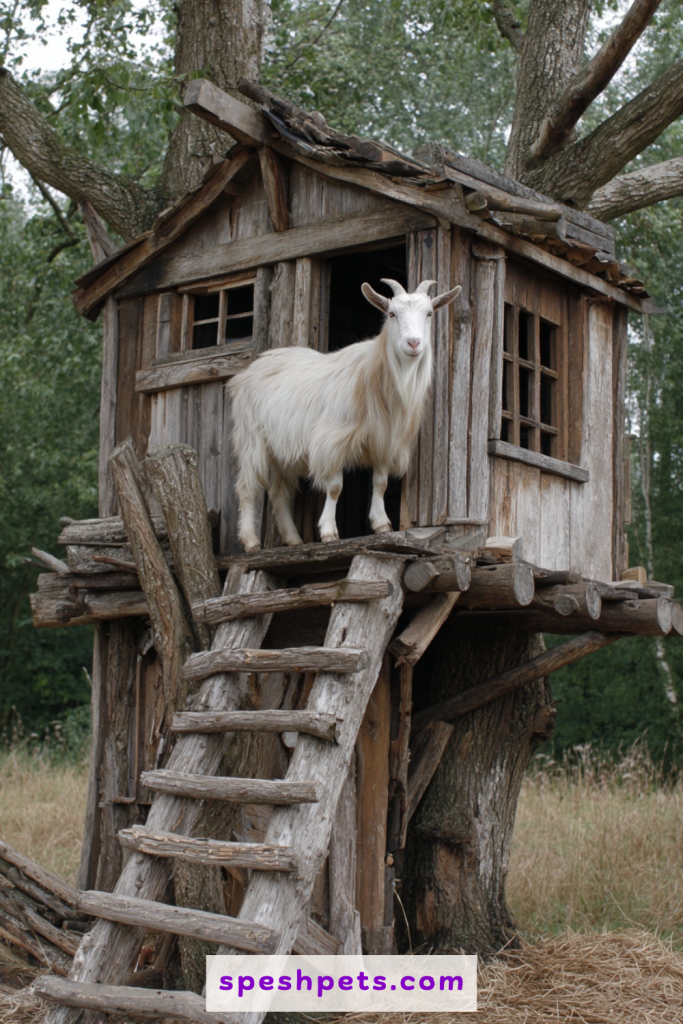
Goats are incredibly hardy creatures, but their one true nemesis is dampness. Unlike sheep, goats do not have a thick layer of lanolin in their coats to repel water, meaning a cold, driving rain can quickly lead to significant health issues like pneumonia or hoof rot. A well-constructed shelter isn’t just about providing a roof over their heads; it is about creating a dry, draft-free sanctuary where they can escape the elements and feel truly secure from potential predators. Whether you are managing a small backyard pair of pets or a larger commercial herd, the design and quality of your housing play a pivotal role in their overall productivity, health, and happiness. Investing time in a proper build ensures your caprine friends stay comfortable regardless of the weather outside.
1.) The Classic Pallet Palace
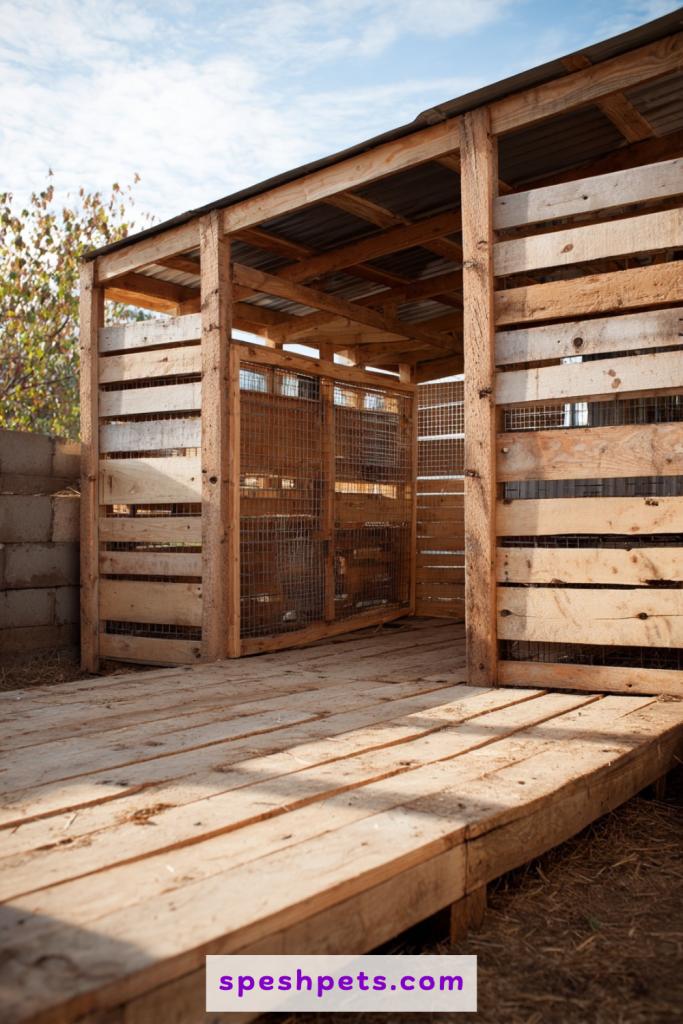
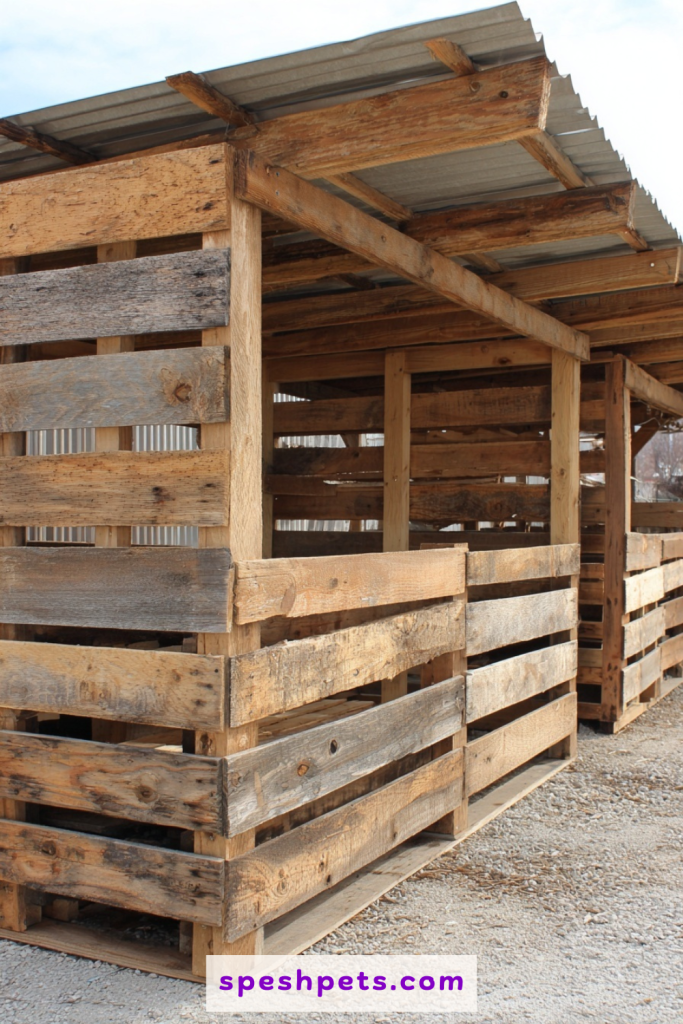
Shipping pallets are the gold standard for budget-friendly farm builds because they are often free and offer incredible structural versatility. To build a pallet shelter, you simply need to secure the pallets together to form sturdy walls, ensuring that the slats are close enough to prevent any tiny hooves from getting caught. Adding a layer of plywood or siding over the exterior will keep out the wind, while a simple slanted roof made of reclaimed tin or corrugated plastic ensures proper drainage. These shelters are modular, meaning you can easily expand the footprint as your herd grows over time. It is a fantastic way to turn industrial waste into a functional home that keeps your goats high and dry throughout the changing seasons.
2.) The Cattle Panel Hoop House
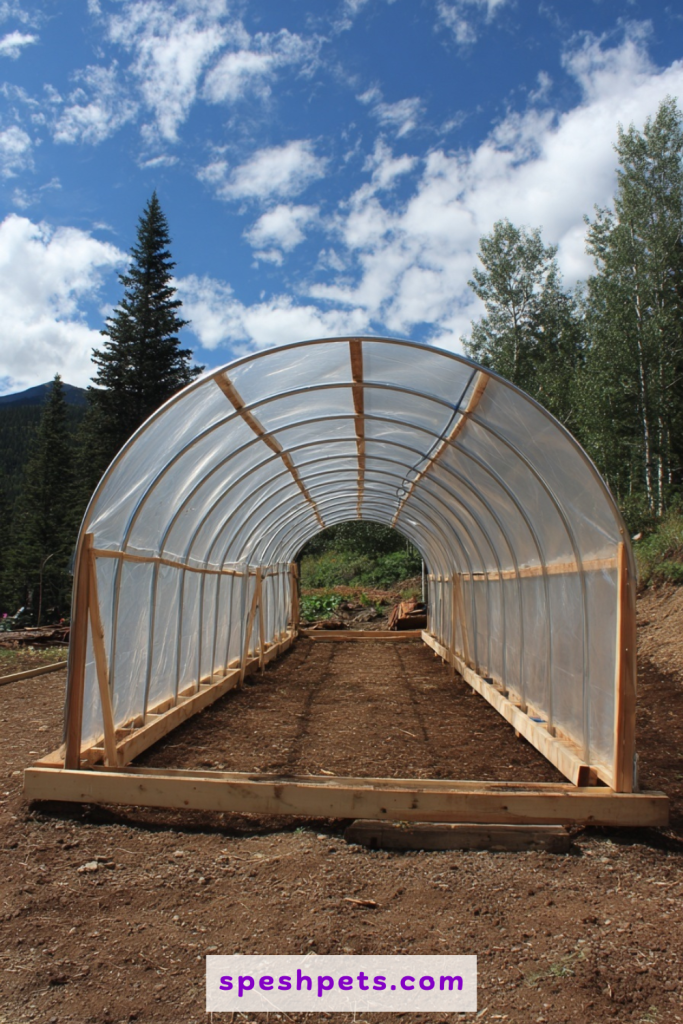
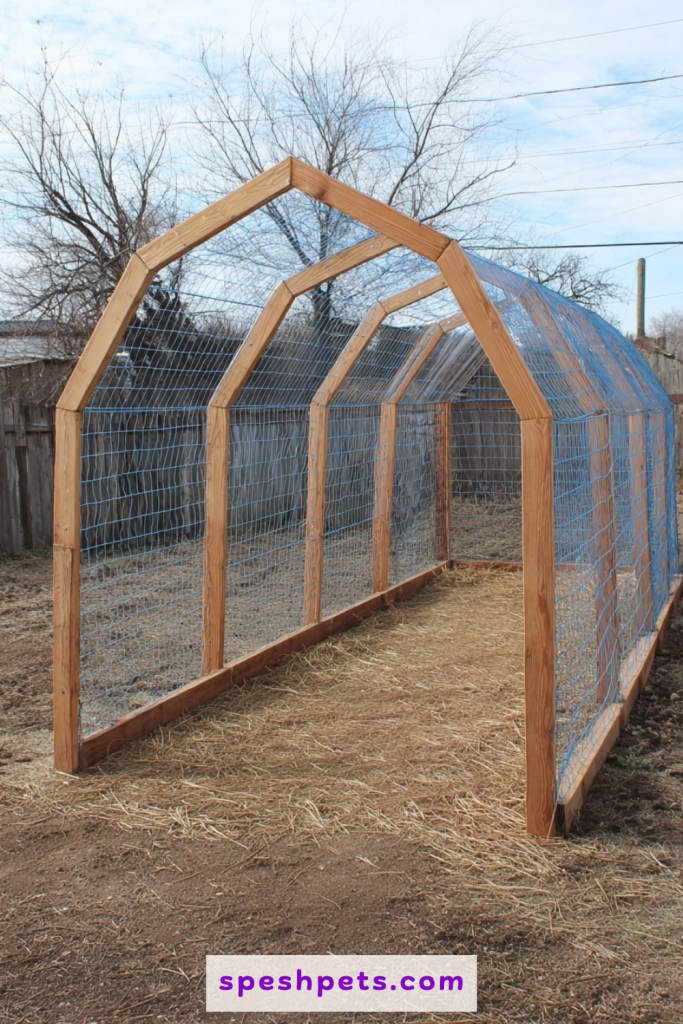
A hoop house constructed from cattle panels is a lightweight yet remarkably durable option that can be assembled in a single afternoon. By arching the heavy-gauge wire panels into a U-shape and securing them to a wooden base frame, you create a vaulted ceiling that offers excellent headroom for both goats and humans. Covering the structure with a heavy-duty, UV-resistant tarp or even greenhouse plastic provides an immediate barrier against the wind and rain. For added insulation during the colder winter months, you can layer straw bales against the interior walls to retain heat. This design is particularly popular among those who use rotational grazing, as the entire structure can be mounted on skids and moved across the pasture with a small tractor or a group of helpful friends.
3.) The A-Frame Alpine Hut
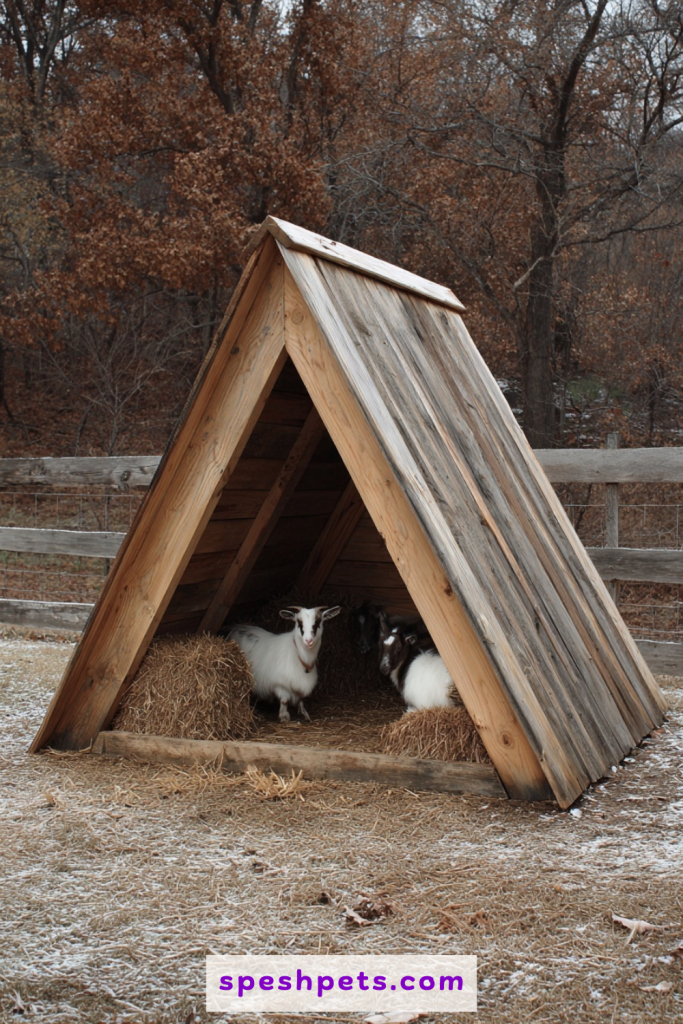
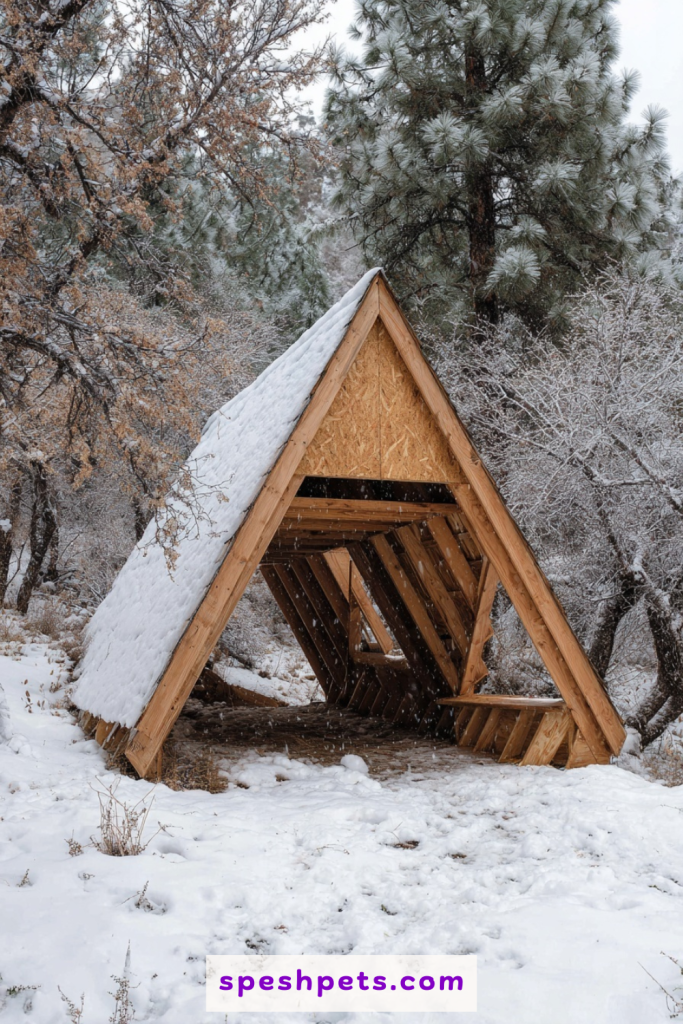
The A-frame design is a timeless architectural choice for goat shelters because its steep roof pitch naturally sheds heavy snow and prevents water from pooling. This triangular shape is inherently stable, making it a great choice for regions that experience high wind speeds or frequent storms. You can build these huts using standard dimension lumber for the frame and cladding them with exterior-grade plywood or cedar shingles for a more aesthetic, rustic look. Because the interior space narrows toward the top, it creates a cozy microclimate that helps the goats retain their body heat during chilly nights. Adding a small loft area inside the peak can even provide extra storage for hay or a secondary resting spot for the more adventurous climbers in your herd.
4.) Repurposed Large-Diameter Culverts
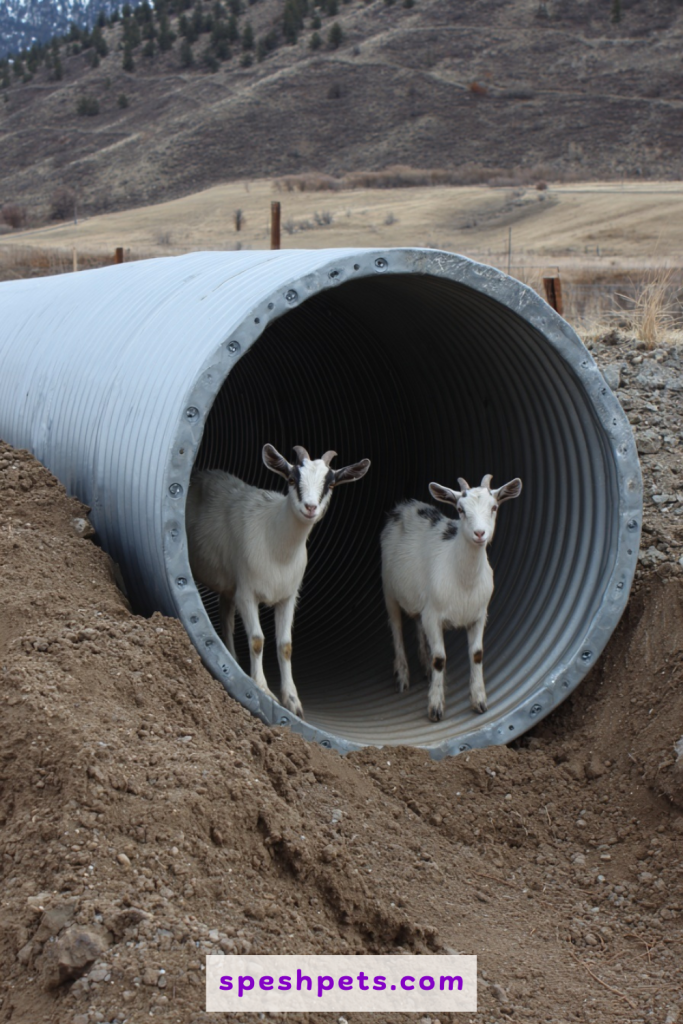
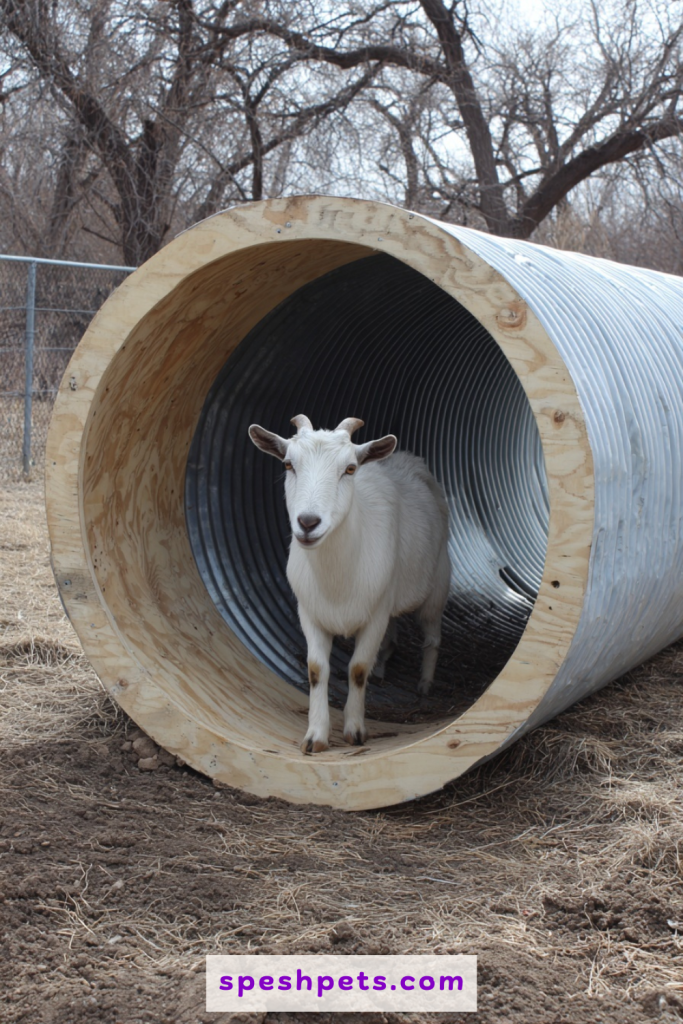
If you can source a section of large-diameter plastic or corrugated metal culvert, you have the foundation for a virtually indestructible goat shelter. These pipes are designed to withstand massive underground pressure, so they can easily handle the weight of goats jumping on top of them. By cutting the pipe to length and mounting it on a level surface, you create a pre-formed tunnel that offers excellent protection from the elements. One end can be partially closed off with plywood to create a windbreak, while the other remains open for easy access. These shelters are particularly effective because they are low-profile and blend into the landscape, and they require almost zero maintenance once they are in place.
5.) The IBC Tote Micro-Shelter
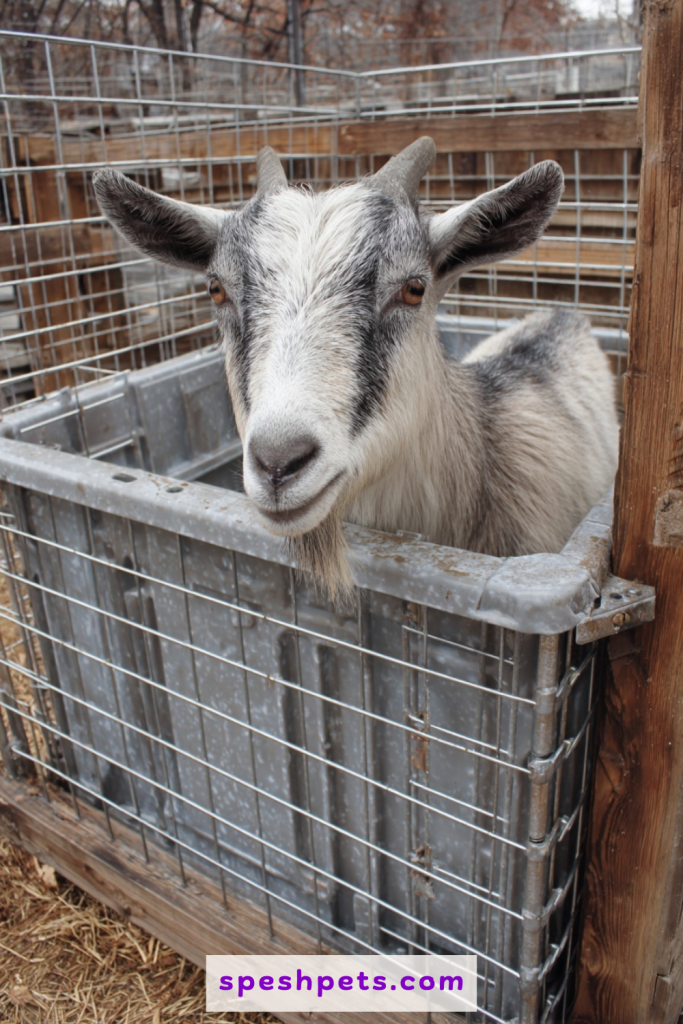
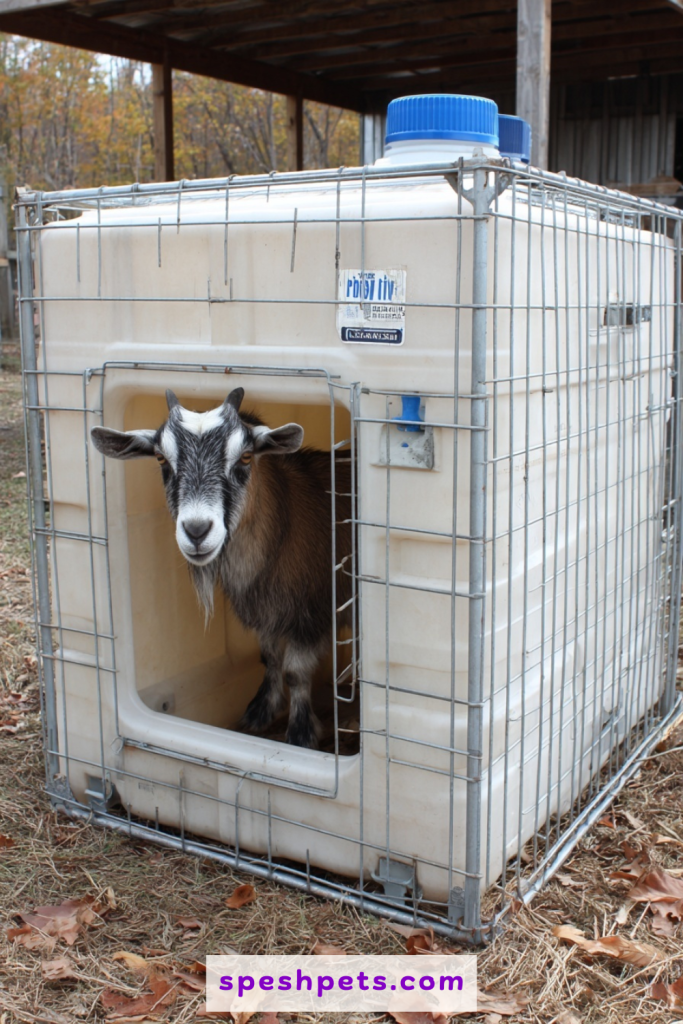
For those who keep miniature breeds like Nigerian Dwarfs or Pygmies, an empty IBC tote can be transformed into a waterproof micro-shelter with very little effort. These large plastic containers are typically used for transporting liquids and are encased in a protective metal cage. By cutting an entry hole into one side and adding some drainage holes to the bottom, you create a lightweight and stackable housing solution. You can leave the metal cage on to provide a built-in climbing frame or remove it to save space. These are ideal for quarantine pens or for providing individual housing for kidding mothers who need a quiet, private space away from the main herd.
6.) The Cordwood or Earthbag Cabin
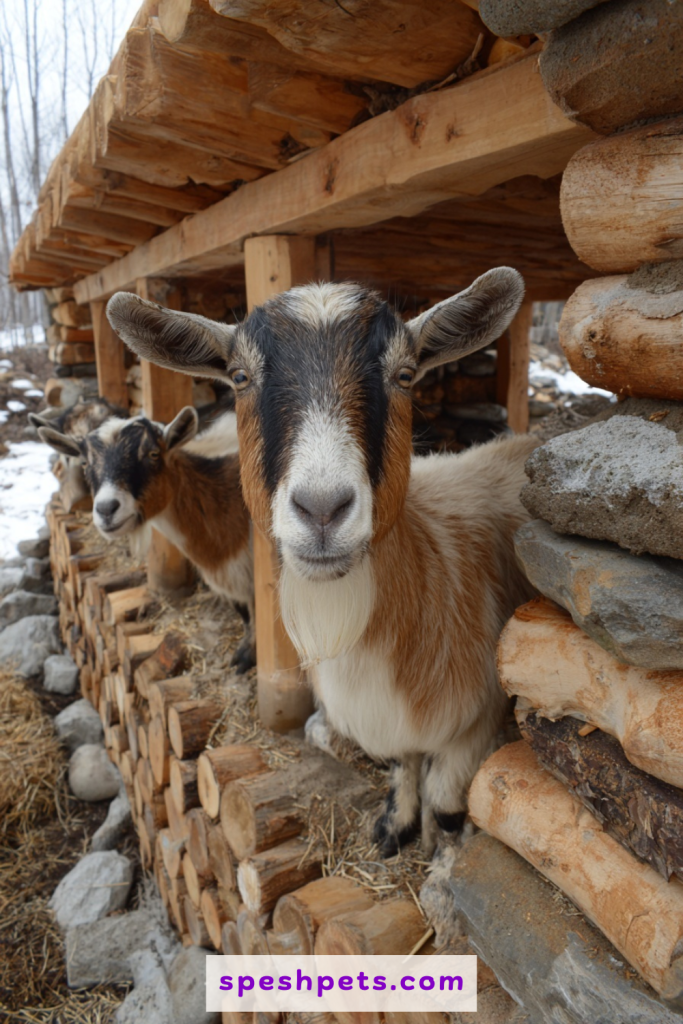
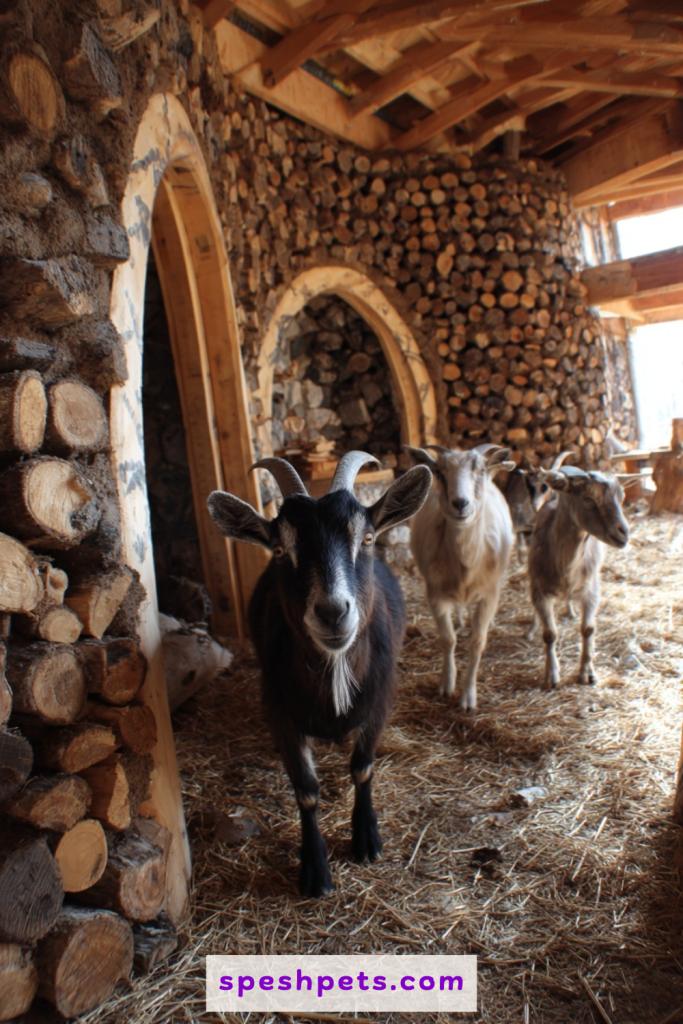
If you are interested in sustainable building techniques, a cordwood or earthbag shelter offers incredible thermal mass that keeps goats cool in the summer and warm in the winter. Cordwood construction uses short lengths of debarked logs stacked like firewood and held together with a lime-based mortar. Earthbag building involves filling sturdy sacks with a mix of soil and clay, which are then plastered over to create thick, insulated walls. While these methods are more labor-intensive than using pallets, the result is a beautiful, permanent structure that will last for decades. These shelters are nearly fireproof and provide an excellent sound barrier, which can help keep your goats calm during loud thunderstorms or nearby construction.
7.) Upcycled Garden Sheds and Playhouses
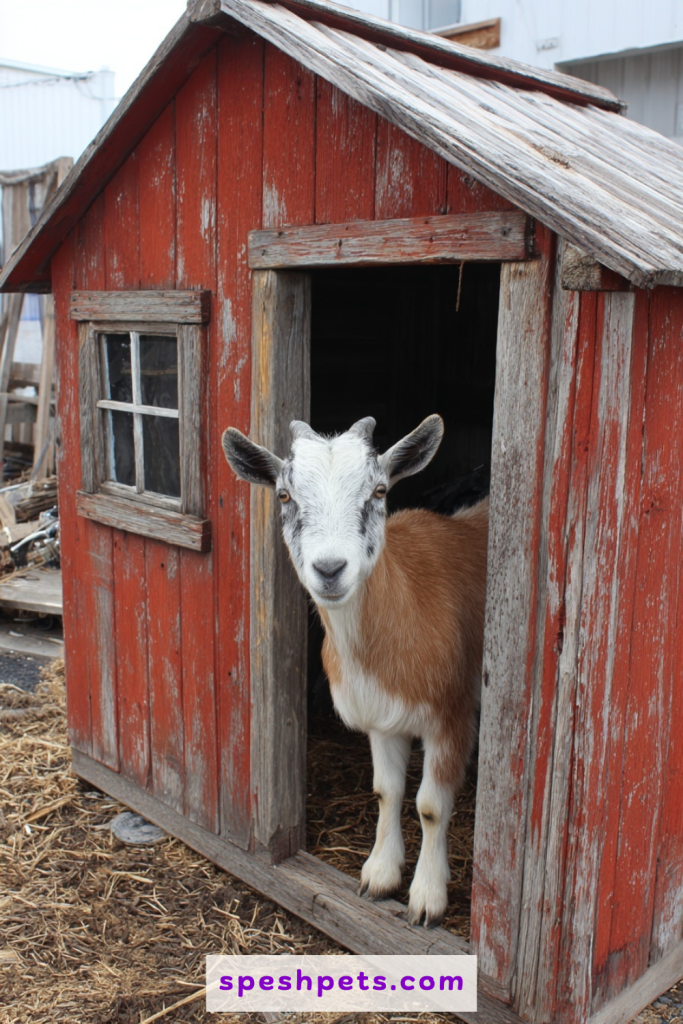
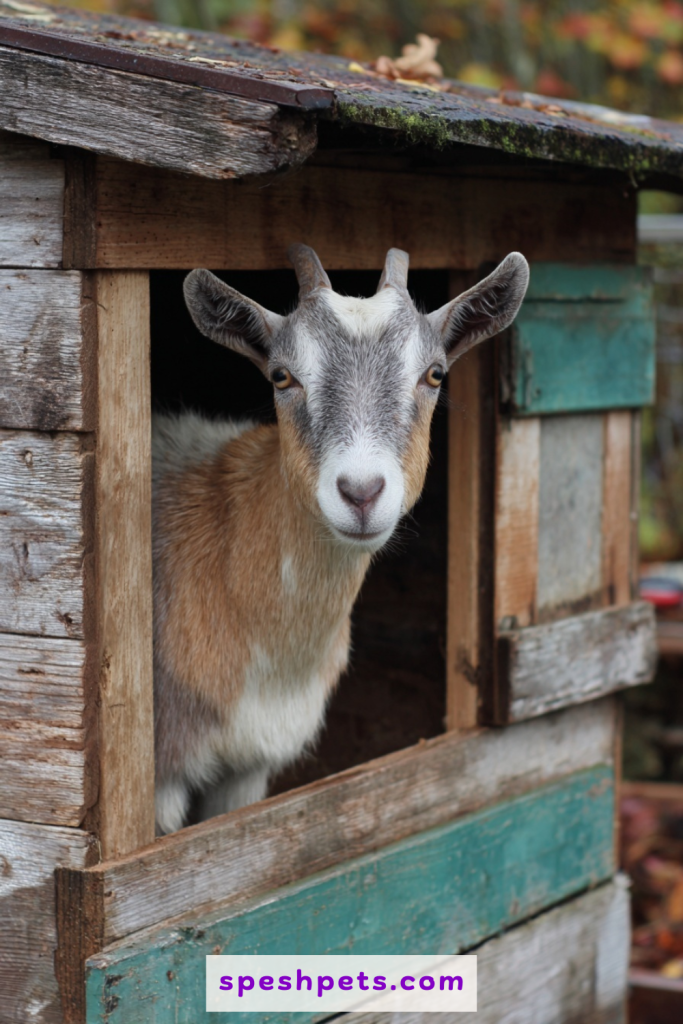
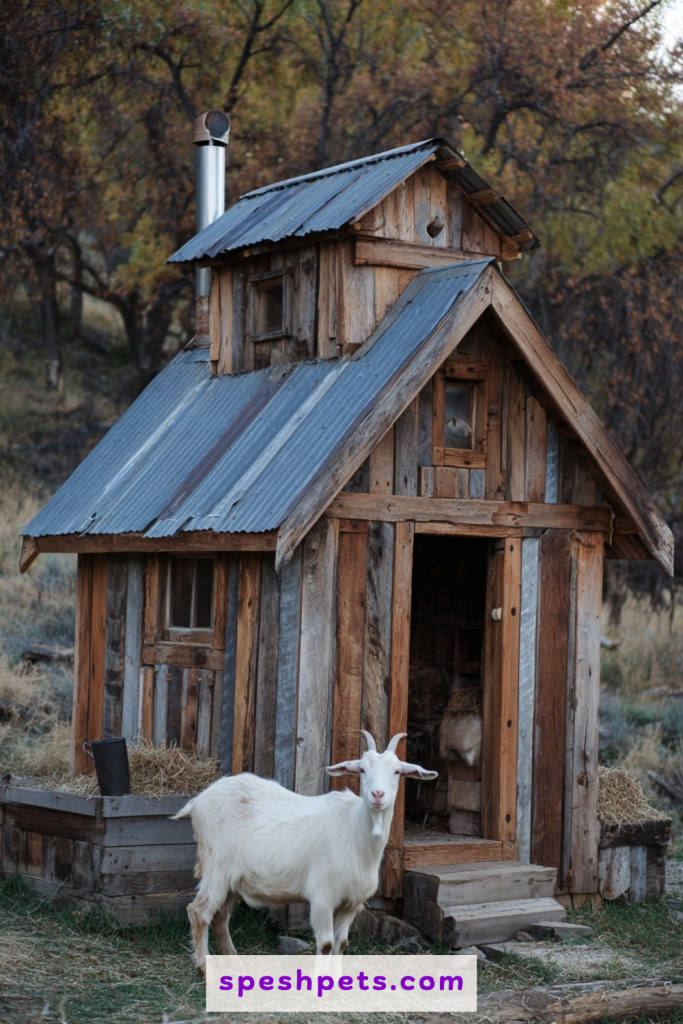
Often, you can find old wooden garden sheds or children’s playhouses listed for free or at a deep discount on local marketplaces. With a few minor modifications, these can become luxurious goat accommodations. You will need to ensure there is adequate ventilation near the roofline to prevent moisture buildup from the animals’ breath and waste. Removing any delicate windows and replacing them with sturdy wire mesh will allow for airflow while keeping out predators. You might also want to reinforce the floor with a layer of rubber matting or thick plywood to withstand the constant traffic of sharp hooves. It is a quick and effective way to give a second life to an existing structure while providing your goats with a high-quality home.
8.) The Log Cabin Style Lean-To
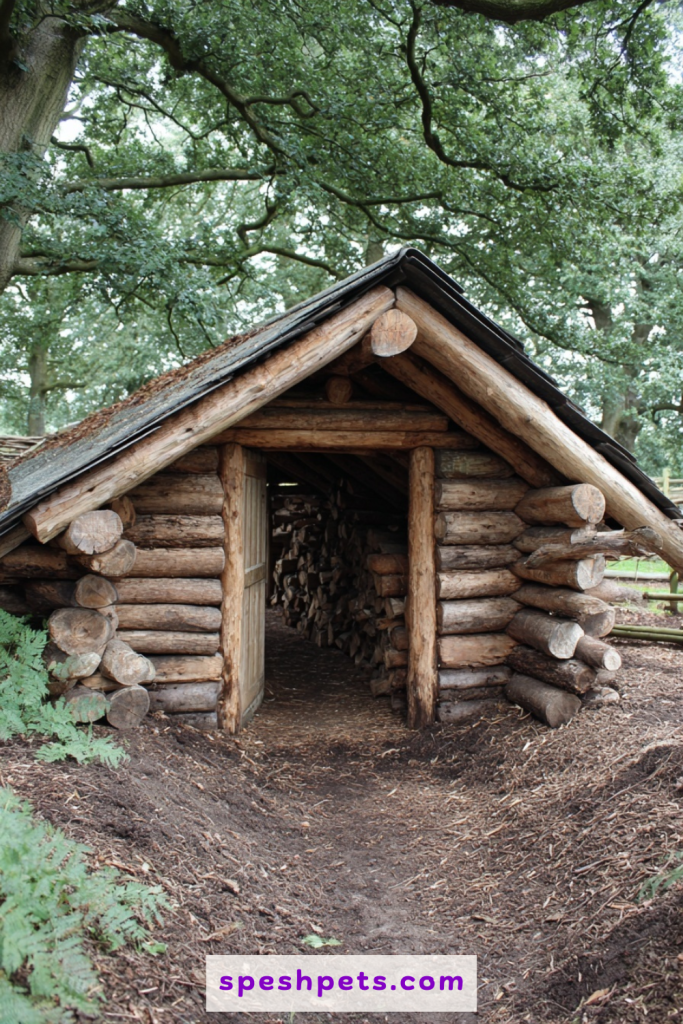
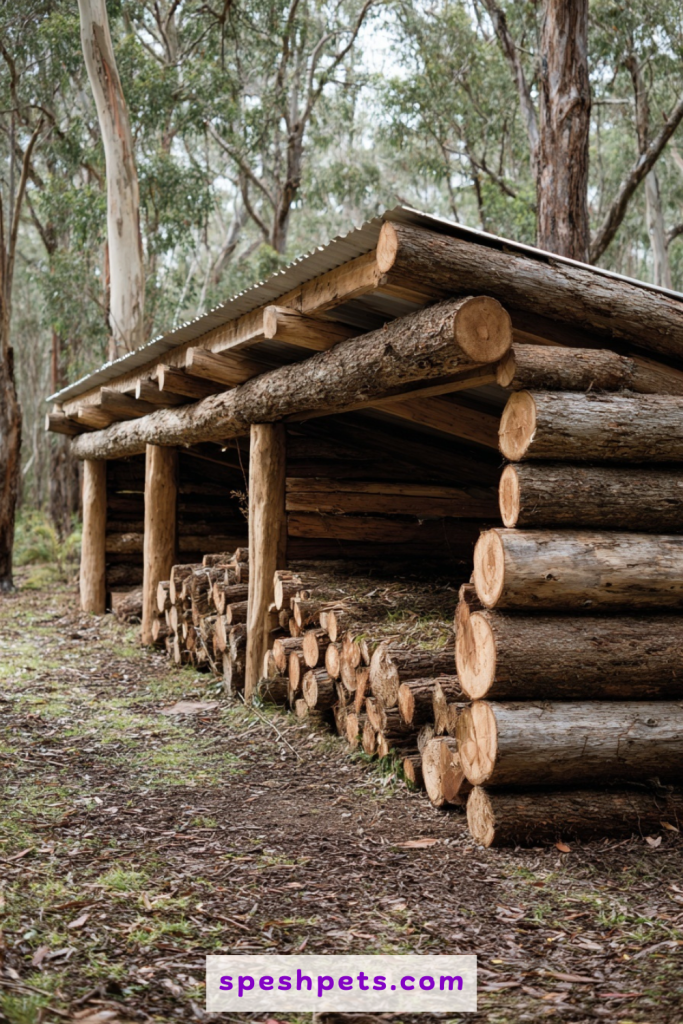
For those with access to their own timber, building a log cabin style lean-to is a rewarding way to create a sturdy and attractive shelter. By stacking notched logs on three sides and topping them with a simple shed-style roof, you provide a wind-resistant space that feels natural in a wooded paddock. The gaps between the logs can be chinked with a mixture of mud and straw to keep out drafts, or left slightly open for natural ventilation in warmer climates. This type of shelter is particularly robust and can handle the rough-and-tumble behavior of larger breeds who might accidentally knock over lighter structures. It is a permanent investment that adds a touch of craftsmanship to your farm.
9.) Recycled Plastic Barrels for Kids
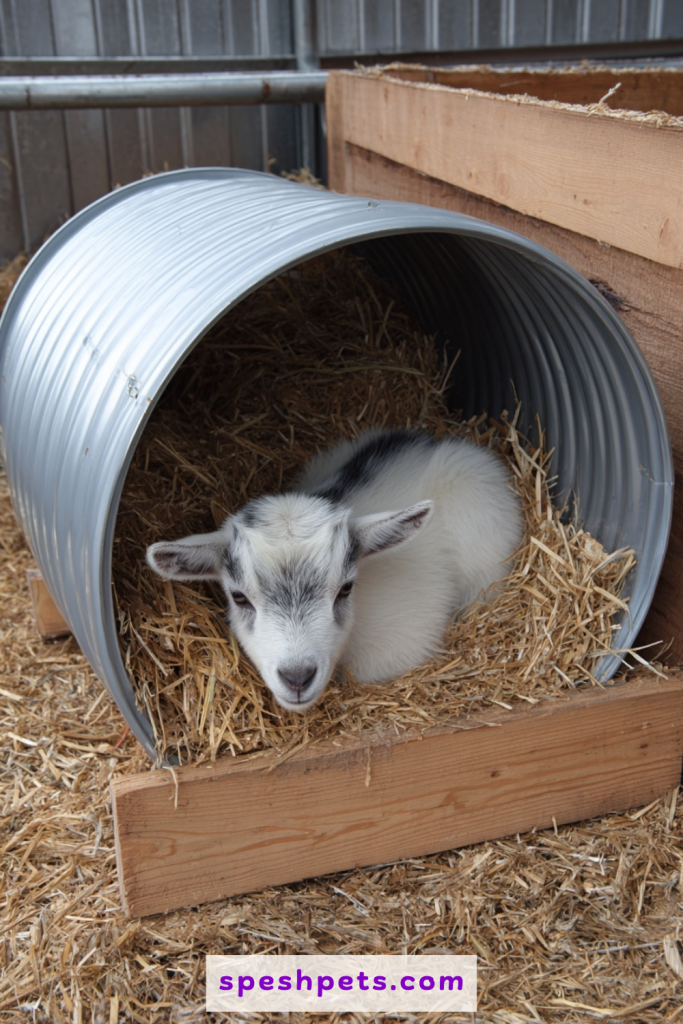
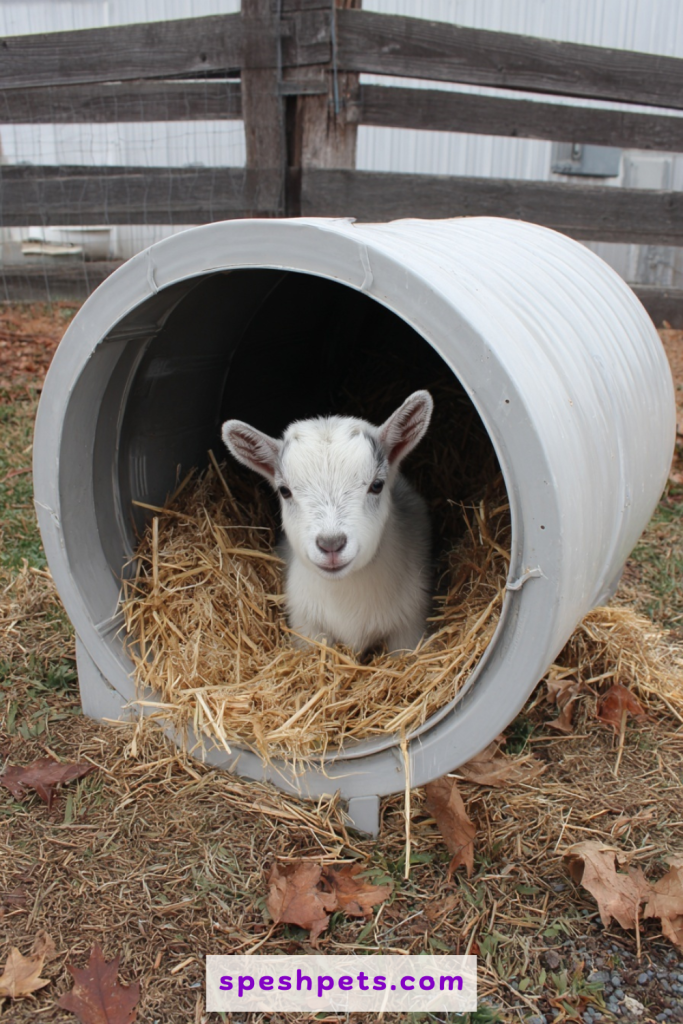
When you have young kids that need to be separated for feeding or medical reasons, fifty-five-gallon plastic barrels can be turned into individual dog-house style shelters. By laying the barrel on its side and cutting a doorway into the lid, you create a small, cozy space that is easy to bed down with straw. These barrels are incredibly easy to clean and sanitize, which is vital for maintaining the health of young animals with developing immune systems. Because they are lightweight, you can easily move them into a barn or garage if the weather becomes too extreme. It is a cost-effective way to ensure that the smallest members of your herd have a safe place to tuck away.
10.) The Underground Earth-Sheltered Cave
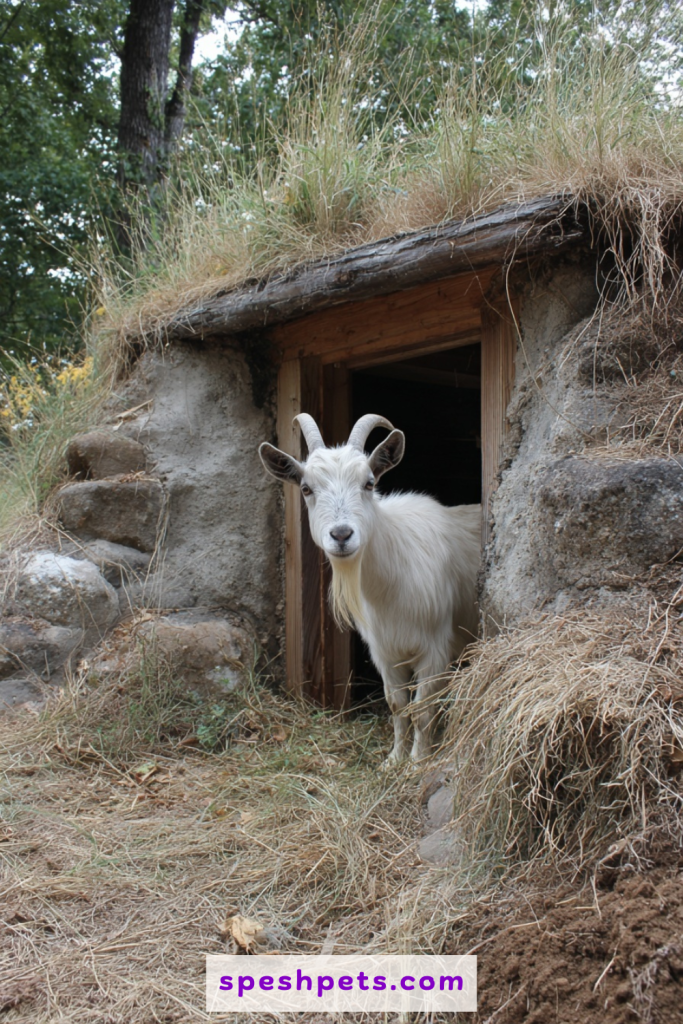
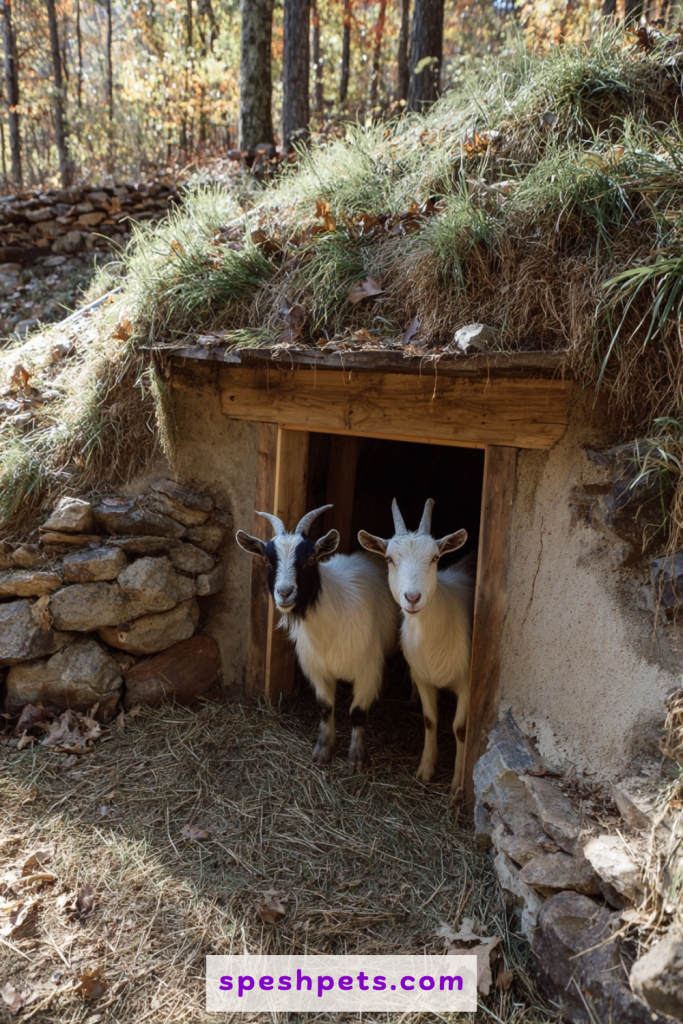
Building a shelter that is partially tucked into a hillside or covered with a layer of earth provides the ultimate in temperature regulation. Earth-sheltered designs take advantage of the ground’s constant temperature, keeping the interior significantly warmer than the outside air in winter and much cooler in the heat of summer. You will need to use strong materials like concrete blocks or pressure-treated timbers to support the weight of the soil and ensure there is a reliable waterproofing membrane to prevent leaks. While this is one of the more complex DIY projects, the energy savings and the comfort provided to the goats make it an excellent choice for extreme climates. It is a stealthy, high-performance housing solution that fits perfectly into a permaculture-style farm.
In Closing
Providing your goats with a safe and dry place to rest is one of the most rewarding and essential aspects of caprine ownership. These DIY projects prove that you do not need a massive budget or professional construction skills to create a sanctuary that keeps your herd happy and healthy. By choosing a design that fits your specific climate, breed size, and available materials, you are making a long-term investment in their well-being and your own peace of mind. Remember that even the most creative shelter requires consistent maintenance and regular cleaning to ensure your furry friends have a comfortable and hygienic home for many years to come. Your effort in building a quality space will be reflected in the vitality and spirit of your thriving herd.
